Tulsa, OK - 24/7 Emergency Service
Water Damage Restoration Kellyville OK
Kellyville is a Creek County town on Route 66 west of Sapulpa, rural in character with older construction and acreage properties. Wells, crawl spaces, and creek ground near Heyburn Lake shape its water work, and the crew that covers Kellyville knows the county roads, the wells, and the water table both.
- Older construction over crawl spaces throughout town
- Rural acreage properties on wells and septic systems
- Low ground and creek bottoms toward Heyburn Lake
- Route 66 corridor homes and small commercial buildings
Crews who know Tulsa County housing, soil, and storm patterns dry buildings faster, because the plan fits the building from the first visit.
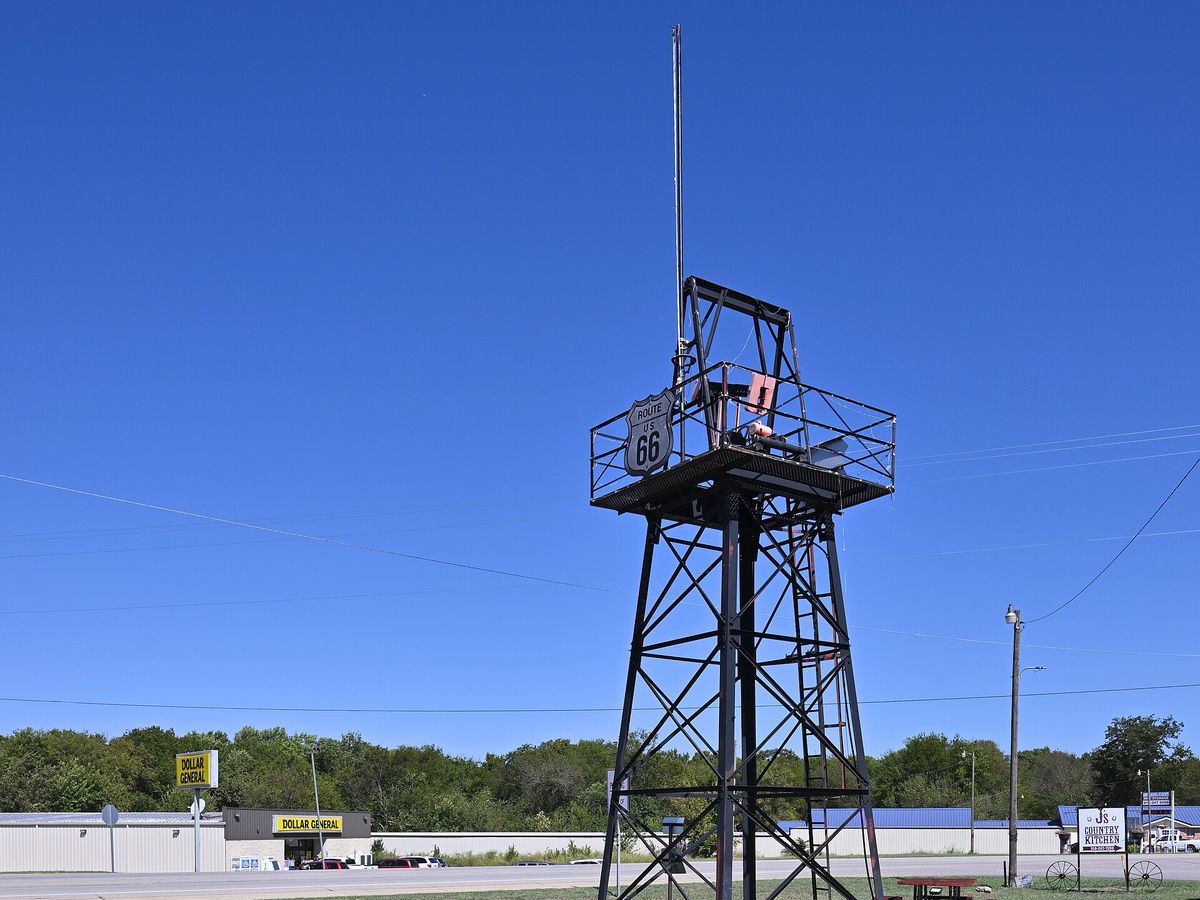
Route 66 Town, Rural Ground: Kellyville Housing
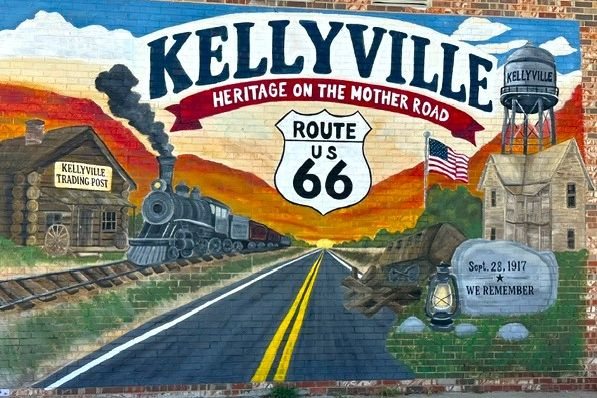
Kellyville sits on historic Route 66 in Creek County, a small town whose mural tells its own story: heritage on the Mother Road, oil field roots, and a railroad past. The housing matches the setting, older homes in town, many over crawl spaces, and rural properties spreading out along the county roads, acreage homes with barns, shops, and the self contained infrastructure of country living: wells for water, septic systems for drainage, and lines running to buildings a city lot never has. Growth pressure here is gentle; Kellyville remains a community where most houses have been standing, and being maintained, for decades.
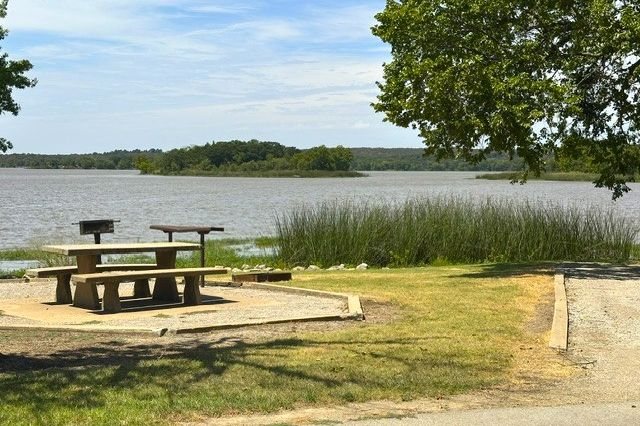
Water damage follows that profile faithfully. Systems fail by age: supply and drain lines, water heaters, and septic components all working past their expected spans. Discovery runs slower on rural properties, where a leak under a house or in an outbuilding can go a week between witnesses. And the ground contributes its share, flat Creek County lots that hold rain, creek bottoms toward Heyburn Lake that rise after storms, and crawl spaces that collect whatever the season sends under the house.
Where Water Gets In Around Kellyville
Crawl spaces collect the Kellyville evidence first. Every older home in town sits over a space that gathers lot runoff, seasonal groundwater, and the drips of aging plumbing, and that space feeds moisture into joists and subfloors for as long as it stays wet. Inside, the pipes above those spaces fail on the older home schedule, supply lines, drain lines, water heaters, and the septic backups that rural drainage produces, each with its own protocol and its own urgency.
Weather writes the rest of the calendar. Creek County storms bring wind driven rain, hail, and tornado risk each spring, testing roofs that may not have been inspected in years. Heavy rain lifts the creeks and holds water on the flat ground toward Heyburn Lake. Cold snaps attack the exposed lines in crawl spaces, well houses, and outbuildings, and on a well system a burst line runs at pump pressure until someone kills the switch. The cause pages below follow the Kellyville pattern, crawl spaces and pipes first, then the remaining risks in turn.
Well houses and pump equipment earn their own line on the Kellyville checklist, because they are where the property water control lives and where freezes do their worst. An unheated well house with a cracked pressure tank or a split line can flood the surrounding ground and feed water toward the house for days unnoticed. Insulating the well house, keeping a small heat source safe and monitored in the coldest weeks, and checking the tank and lines after every hard freeze turns the property most critical system from a risk into a non event.
How a Kellyville Water Damage Call Proceeds
1. Tell us the property layout and its systems
In town lot or county acreage? Well and septic, or city services? Crawl space or slab, and are there outbuildings with water lines? Kellyville first visits are planned around the whole property, not just the house.
2. Kill the pump, close the water, make it safe
On well properties the breaker is the master control. Keep clear of electrical hazards in standing water, and treat septic or sewer backups as contaminated space until they are assessed and the protocol is set.
3. Extract standing water in every structure it reached
House, crawl space, and outbuildings all get walked and drained. Rural water hides in the buildings nobody opened; the assessment does not assume, it checks.
4. Map the moisture and identify each feed
Readings define the footprint in floors, walls, and joists, and the pattern separates the feeds, plumbing above, runoff outside, groundwater below, because each feed has a different fix and a different owner.
5. Dry house and crawl space as one system
Dehumidification and airflow for the combined load, verified daily. Where water stood long enough for mold, the remediation steps join the plan, and contaminated categories follow their removal and cleaning protocol.
6. Document, and leave the property smarter
The file closes with dated photos, maps, and final readings. Rural properties also leave with the shutoff locations and a storm check routine written down, the cheapest insurance a Kellyville acreage can hold.
Drying Kellyville Homes: Crawl Spaces, Solid Materials, Slow Discoveries
Kellyville older homes hold the materials that careful drying exists for: solid wood floors and framing that survive water modern composites cannot, provided the drying starts before mold makes the decisions. The characteristic job here is two sided, rooms measured and dried from above, crawl space drained and dried from below with joist and subfloor readings, because the space under a rural home is where the water has usually been longest. Where a plumbing drip caused it, repair and drying get sequenced as one job rather than two discoveries.
Slow discovery is the Kellyville variable to respect. A crawl space wet for a season, a leak found when the floor softens, a lake area property checked monthly: these arrive with mold established and materials at varied stages, and the honest plan triages by reading, drying what can return to standard, removing what cannot, and treating surfaces per the mold protocol. The readings make those calls, not the calendar and not optimism. That discipline is what separates a dried house from a house that merely stopped looking wet.
One practical Kellyville habit reduces slow discovery more than any equipment: scheduled walkthroughs. Owners of acreage properties who walk their crawl spaces, well houses, and outbuildings once a month, and who glance at the water meter or well cycle after returning from a trip, catch nearly everything while it is small. We build a simple version of that routine into every job file we leave, because the best Kellyville restoration is the one a monthly walk makes unnecessary.
Insurance Documentation and Choosing Help in Kellyville
Rural files need rural facts: systems, distances, and discovery dates, assembled while the evidence is fresh. The record we build on every job, dated photos of the source and the footprint, moisture mapping, and daily readings, plus the well and septic details and your own account of when signs appeared, gives an adjuster a complete Creek County picture instead of a Tulsa template with the wrong assumptions. For properties near Heyburn Lake, source documentation matters doubly, because creek and lake water and plumbing water belong to different coverage worlds, and the difference is worth the careful record.
Choosing help from Kellyville means asking the questions that fit the ground. Ask how the company finds and verifies crawl space and mold problems, and which industry standards the drying and remediation follow, IICRC S500 for water work and S520 for mold. Ask how the company works on well and septic properties, and listen for shutoff and disposal specifics. Ask what documentation you will hold, and whether the company will name the parts of the problem, drainage, septic, a failing line, that belong to other trades. Creek County word of mouth is a real institution; hire the answers you would pass along it.
Water damage in Kellyville? Start with one call.
Call (918) 578-1166 and tell us what happened and where in Kellyville you are. We extract, dry, and document the loss, and we explain each step before we do it.
Water Damage Causes We See in Kellyville
Kellyville water collects under its older homes and runs through its aging rural systems. These cause pages lead with crawl spaces and burst pipes, then cover roofs, storms, and the creek ground toward Heyburn Lake.
Main Water Damage Services in Kellyville
Every Kellyville call runs through the same main services: emergency response, residential and commercial restoration, and round the clock cleanup. The pages below explain each one in full.


Nearby Communities We Serve
Kellyville sits on Route 66 between Sapulpa and Bristow, with Glenpool and Tulsa back up the highway. Each nearby page is written on its own ground, because a Creek County rural town and a Tulsa suburb keep different water.
Return to the water damage restoration Tulsa OK home page for the full process, cause, mold, and insurance pages, see all service areas, or start with emergency water damage restoration if water is active right now.
Water Damage Questions from Kellyville Homeowners
What water damage is most common in Kellyville?
The rural older construction list. Kellyville homes are largely older builds, many over crawl spaces, on properties that range from in town lots to acreage along the county roads. The calls run to aging plumbing failures, crawl space water, water heaters, roof leaks after storm seasons, and the well and septic events that rural systems produce. Heyburn Lake sits just east of town and the low ground and creeks around it add the groundwater and flood fringe. It is the Creek County pattern: systems age, distance, and ground that holds water after rain.
How do wells and septic systems factor into Kellyville water damage?
Directly. A well pump feeds a burst line at full pressure until it is switched off, so knowing your pump breaker and main shutoff is the highest value knowledge on the property. A septic system, in turn, decides how much water can be sent down drains during a cleanup and whether a backup is a house problem or a system problem. Both facts change how a response is planned, which is why we ask about them in the first call. If you do not know where your shutoffs are, learning them on a dry Saturday is the cheapest water damage prevention in Creek County.
My Kellyville crawl space is wet after every rain. What is happening?
Most likely a combination that is common here: lot grading that lets storm water reach the foundation, a low crawl space that sits close to seasonal groundwater, and possibly a slow plumbing contribution from the house above. The consequences come in a sequence: joists and subfloor stay wet, mold establishes, floors above begin to feel it and smell it. The response traces each feed separately, because the fixes differ, exterior drainage, plumbing repair, or groundwater management, then dries the space and the structure with readings. A crawl space that is wet after every rain is not a personality trait of the house; it is a list of causes waiting to be read.
Does Heyburn Lake and the creek ground east of Kellyville flood homes?
The low ground near the lake and along the creeks that feed it carries real exposure after the heaviest rains, when water rises across bottomland and holds on flat lots. Most Kellyville homes sit on ground that drains, but properties near the water should know their elevation and keep crawl spaces and any basements on a post storm checklist. The related risk is quieter: a higher water table near the lake keeps below grade spaces damper through wet seasons, which is a mold and materials problem even when no flood ever makes the news.
How do I prepare a Kellyville property for winter freezes?
Walk the systems before the first hard freeze, and make it a routine. Insulate exposed lines in crawl spaces and well houses, know your pump breaker and main shutoffs, and shut off and drain water to any outbuilding that will sit unused through winter. On seasonal or infrequently visited properties, leaving heat at a safe low setting protects the plumbing far better than draining memories of last year freeze. The Kellyville failures that cost the most are almost always the same story: a line nobody looked at, in a space nobody entered, running on a well nobody switched off.
Will insurance cover water damage at a rural Kellyville property?
The same rules as the rest of Oklahoma, applied to rural facts. Sudden events, a burst pipe, a failed water heater, are what homeowners policies are built around. Flood water from creeks or the lake needs its own policy. Septic backup outcomes depend on the policy and its endorsements. Gradual seepage is the commonly excluded category. Documentation is what lets an insurer place your event correctly: dated photos, the source identified, moisture mapping, and readings through the drying. We assemble that file as routine practice, and for rural properties we include the well and septic facts that city files never need.
One call starts extraction and drying.
Talk to a Tulsa area dispatcher now about your Kellyville property. You will get clear next steps and documentation from the first visit.