Tulsa, OK - 24/7 Emergency Service
Water Damage Restoration Glenpool OK
Glenpool began as the Glenn Pool oil boom town and has become a fast growing suburb south of Tulsa, with a small older center and a wide ring of newer subdivisions. Its water work is the modern list: slabs, heaters, and supply lines, in homes that are all aging through their first big decade together, and failing in the same sequence, which makes knowing the signs worth more here.
- Newer subdivisions along the US 75 corridor
- Slab on grade homes entering their second decade
- Small older center with aging plumbing systems
- Transitional rural properties with wells and outbuildings
Crews who know Tulsa County housing, soil, and storm patterns dry buildings faster, because the plan fits the building from the first visit.
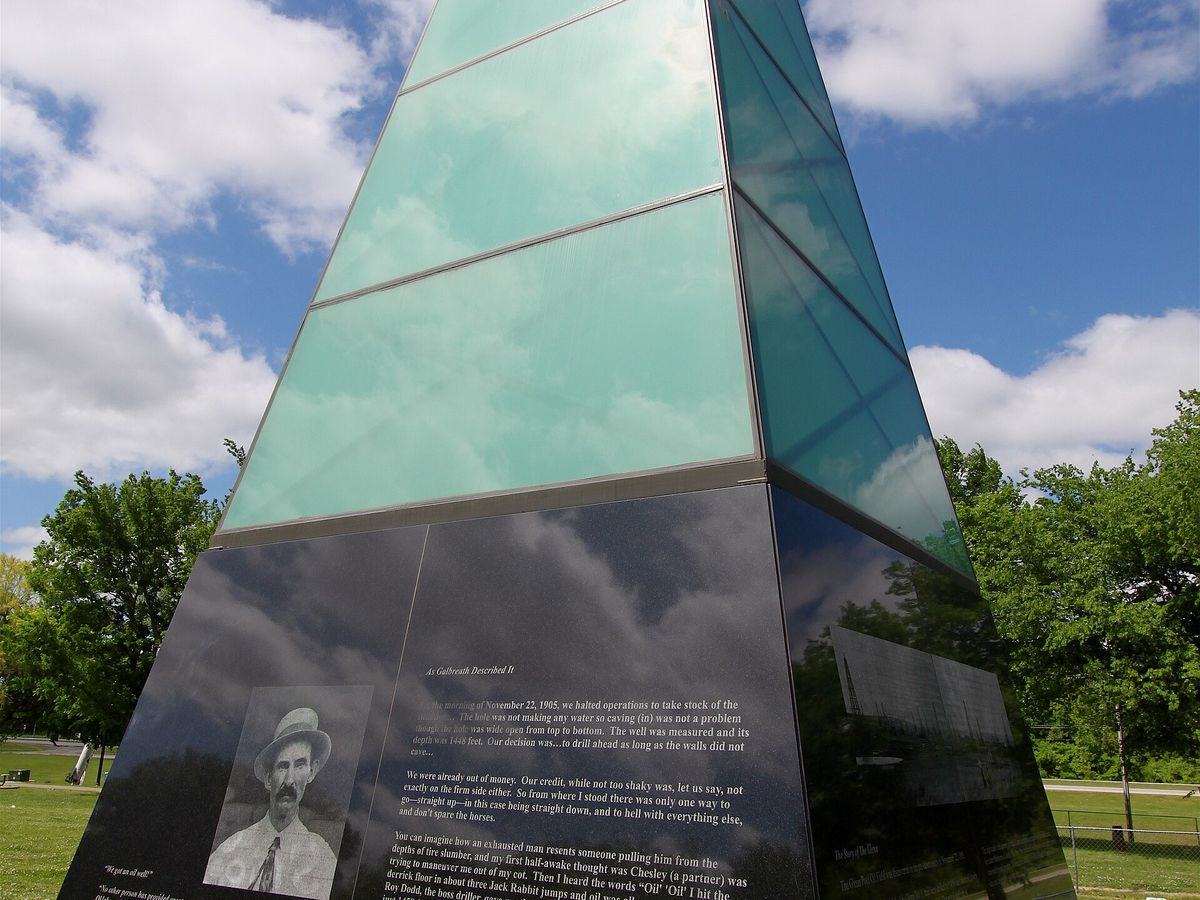
Boom Town to Bedroom Community: Glenpool Housing
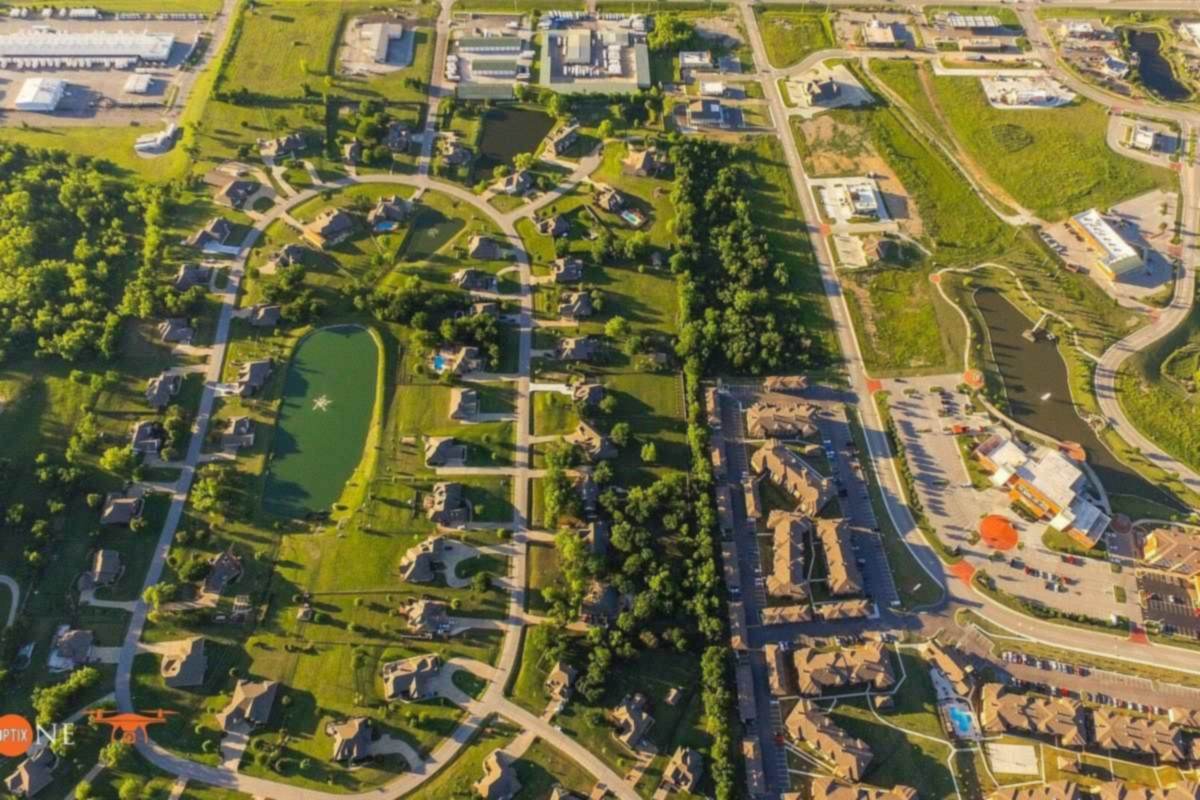
Glenpool exists because of a 1905 oil strike that made the Glenn Pool field one of the richest in the world, and the Black Gold Park monument keeps that origin in the middle of town. The modern city is a different story: a growing suburb on the US 75 corridor south of Tulsa, where subdivisions have been replacing pasture at a steady pace and the population has multiplied across recent decades. Around the small older center near the original townsite spreads the new Glenpool, street after street of slab on grade homes built from the 2000s onward.
Water damage follows that shape. The older center produces the familiar older home work: plumbing at the end of its service life, tired water heaters, and roofs with long storm histories. The subdivisions produce the new home list, and they produce a lot of it, because thousands of similar homes age in step: when the first water heaters, supply hoses, and slab lines in a subdivision generation start to fail, they start failing street by street. Glenpool is young enough that prevention still outperforms repair here, if homeowners know what to watch.

Where Water Gets In Across Glenpool
Slab leaks lead, as they do in every young slab city in clay country. The pressurized lines under Glenpool slabs run through expansive soil, and pinhole leaks can run for weeks before a floor shows warmth or a bill shows the spike. Water heaters follow: the subdivision building wave installed thousands of tanks within a few years of each other, in garages and interior closets, and that generation is aging together. Washing machine hoses and appliance lines, the standard modern weak points, complete the interior list.
Weather adds the exterior load. Glenpool sits in the same Green Country storm track as the rest of the south metro: wind driven rain, hail, tornado risk in spring, and freezes that find attic and exterior wall lines in winter, plus the outbuilding and well lines on the rural fringe that nobody checks daily. Newer grading in fresh subdivisions also meets its first real tests in these storms, and a few homes each season learn where their lot actually sends water. The cause pages below follow the Glenpool order: slab, pipes, heaters, then storm.
Attics deserve a specific Glenpool note, because so much of the city plumbing runs through them. Water heaters, HVAC condensate drains, and supply lines in unconditioned attics swing with every season: freezes threaten them in January, and summer heat bakes the materials around them. An attic supply line that fails sends water through the ceiling below within minutes, which is why the most expensive Glenpool events often start above the living space. Checking attic runs and drain pans before summer and winter is a small habit that prevents a large claim.
How a Glenpool Water Damage Call Proceeds
1. Tell us the subdivision, the age, and the signs
In a young city, the symptom pattern identifies the cause: bill spike, warm floor, ceiling stain below an upstairs bath. The age of the home narrows it further, because Glenpool housing generations fail in sequence.
2. Shut off water and make the scene safe
Close the fixture valve or the main for plumbing failures, keep electrical items out of standing water, and move belongings off wet floors. On rural fringe properties, remember the outbuilding and well lines in the shutoff list.
3. Extract standing water
Mechanical extraction removes bulk water before it spreads across open plan floors. On slab homes it also limits how far water travels under flooring that has not lifted yet.
4. Map the moisture across the slab
Readings trace the full footprint, including the rooms that look dry. For suspected slab leaks, the map pattern is the evidence that guides the plumber to the right square of floor.
5. Dry to a measured standard
Dehumidification and airflow set from the map, checked daily, with per material decisions on modern flooring. Tight new construction holds humidity, so controlled drying matters more, not less.
6. Document and verify the result
Dated photos, moisture maps, and final readings on every job. In a city of similar homes, that file is also your baseline: the next time a floor feels warm, you will know what normal looked like.
Drying Glenpool Subdivision Homes: Modern Floors Over Moving Clay
The typical Glenpool interior, vinyl plank or laminate over slab, open living areas, built in cabinetry, dries by selective lifting. Water under modern plank flooring cannot be reached by air alone, so the wet sections come up while dry sections stay, a decision moisture mapping makes plank run by plank run rather than room by room. Wall bases along the spread path get readings even without visible damage, and upstairs events add the ceiling assembly below to the drying plan.
Underneath it all, the clay keeps moving. Seasonal swelling and shrinking stresses the same slab lines that feed the house, which is why a Glenpool slab leak investigation includes the soil conversation: exterior drainage, how the lot handles storm water, and whether the foundation shows the seasonal crack pattern. Drying the interior without that context treats the symptom of a soil and water relationship that will produce another symptom later. The foundation intrusion page below covers that pattern for homeowners who want the full picture.
One more Glenpool reality check belongs here: open floor plans move water fast. The great rooms and flowing layouts that define the subdivision homes carry a leak across the whole main level before anyone lifts a rug, which is why early extraction matters more here than in compartmentalized older homes. Shutting the main promptly and calling early shortens the drying by days, not hours. In a young city, the difference between a fast call and a weekend call is often the difference between drying the floor and replacing it.
Insurance Documentation and Choosing Help in Glenpool
Glenpool claims are usually clean stories, a component failed suddenly in a newer home, told best with clean evidence: the failed part photographed, dated pictures of the footprint, a moisture map, and daily readings. Insurers focus on duration for slab leaks, so the timeline you can show, when the bill changed, when you called, matters. We build the technical record from the first visit as routine, and your own notes complete it.
Choosing help in a suburb full of similar homes has one advantage: neighbors have data. Ask locally, then verify with the standard questions. Ask how hidden slab water gets located, and listen for mapping, not demolition. Ask what standard the drying follows, the IICRC S500 framework, and what you will hold in writing. Ask whether the company will say plainly when the fix belongs to a plumber or a foundation contractor instead of to them. Straight answers to those questions are worth more than any advertisement on the corridor, and in a city this young they are how reputations get built fast.
Water damage in Glenpool? Start with one call.
Call (918) 578-1166 and tell us what happened and where in Glenpool you are. We extract, dry, and document the loss, and we explain each step before we do it.
Water Damage Causes We See in Glenpool
Glenpool failures follow its housing generations: slab lines in moving clay, the first big wave of aging water heaters, supply hoses, and storm water on new grading. These cause pages are ordered the way Glenpool homeowners meet them.
Main Water Damage Services in Glenpool
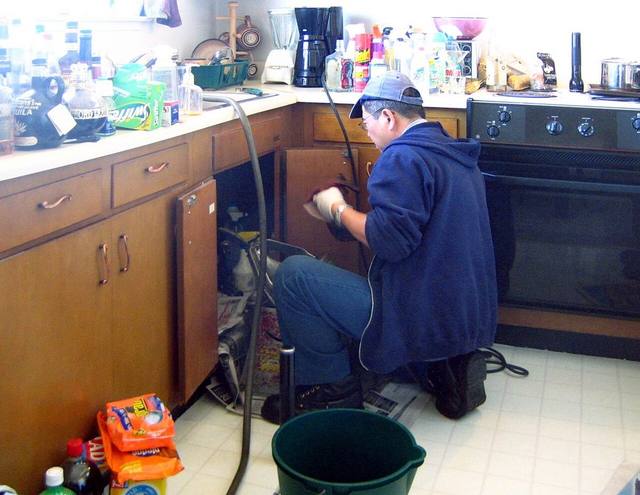
Every Glenpool call runs through the same main services: emergency response, residential and commercial restoration, and round the clock cleanup. The pages below explain each one in full.
Nearby Communities We Serve
Glenpool sits on US 75 between Tulsa and Bixby, with Jenks across the river hills and Sapulpa down the turnpike. Each nearby community page is written on its own facts, because a young slab suburb and a Route 66 town are different work.
Return to the water damage restoration Tulsa OK home page for the full process, cause, mold, and insurance pages, see all service areas, or start with emergency water damage restoration if water is active right now.
Water Damage Questions from Glenpool Homeowners
What water damage is typical in Glenpool newer homes?
The modern subdivision list: slab leaks that surface as warm flooring or a climbing water bill, water heaters in garages and closets reaching the end of their first decade, washing machine and appliance supply lines, and upstairs bathroom overflows in two story plans. Glenpool growth is recent enough that many homes are hitting the age where the first generation of components starts failing together. None of it is exotic, and all of it responds well to early detection, because newer materials also telegraph problems early if you know the signs.
Does Glenpool oil history affect homes today?
Mostly as context, not as a water factor. The Glenn Pool oil field made this ground famous in 1905 and the Black Gold Park monument tells that story, but the homes being built and bought now sit on subdivisions platted long after the boom. The practical legacies are the older housing near the original townsite, where plumbing age follows the usual older home pattern, and a local familiarity with pumpjacks on the rural edges. For water damage purposes, treat Glenpool as two cities: a small older center with older systems, and a large and growing ring of newer slab homes.
How do I spot a slab leak in a Glenpool subdivision home?
Watch for the indirect signs, because slab leaks rarely announce themselves with a puddle. A water bill that jumps and stays up, a patch of floor that feels warm, vinyl or laminate that starts to lift or sound hollow, a musty smell in one room, or the faint sound of water with everything turned off. Two or more of those together earn a professional look. Moisture mapping traces the wet footprint across the slab so a plumber opens the right spot, and the same map becomes the drying plan for everything the leak soaked.
Glenpool is transitional, part suburb, part rural. Does that change response?
It changes the first conversation. Subdivision homes get the modern checklist. Properties on the rural edges may run well water and septic systems, sit on larger lots with outbuildings, and have plumbing runs, including lines to shops and barns, that city homes do not. A freeze burst in an outbuilding line can run a long time before anyone walks past it. Tell us which side of Glenpool you are on and what systems the property runs, and the assessment covers those, not just the house footprint.
Should I get my Glenpool home inspected before the next storm season?
It is money well spent on the older side of town and smart on any home past its first decade. A prevention visit checks the predictable points: supply hoses and water heater condition, the grading and gutters on your lot, attic and exterior wall plumbing runs, and, in slab homes, a baseline look at the signs of slab leaks. In a city where whole subdivisions age in step, the value is comparative, you learn which parts of your home are mid life and which are on the edge, so the repair happens on your schedule instead of on the water schedule.
Will homeowners insurance cover water damage in a newer Glenpool home?
Sudden and accidental events, a burst line, a failed heater, a supply hose that lets go, are the heart of what most Oklahoma homeowners policies respond to, in new homes as in old. Long running, undetected leaks get harder questions about duration, which is why your own record matters: when you noticed the sign, when you called, dated photos. Our file adds moisture mapping and daily drying readings from the first visit. Your insurer applies your policy; we make sure the event itself is documented beyond argument.
One call starts extraction and drying.
Talk to a Tulsa area dispatcher now about your Glenpool property. You will get clear next steps and documentation from the first visit.