Tulsa, OK - 24/7 Emergency Service
Water Damage Restoration Claremore OK
Claremore is the Rogers County seat and Will Rogers hometown, a small city of older neighborhoods, growing subdivisions, and lake country at its edge. Storm roofs, aging systems, and rural properties shape its work, and the companies that last here know all three.
- Storm and tornado damaged roofs and interiors
- Small town neighborhoods with mixed era plumbing
- Newer subdivisions on slab foundations
- Claremore Lake area and rural Rogers County properties
Crews who know Tulsa County housing, soil, and storm patterns dry buildings faster, because the plan fits the building from the first visit.
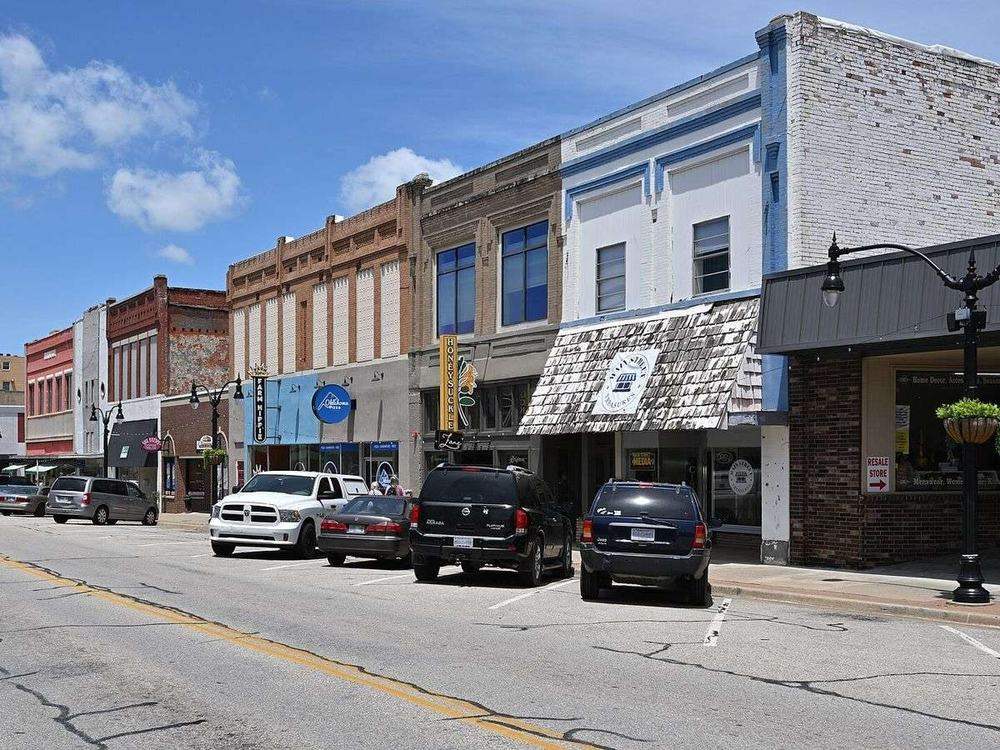
Will Rogers Hometown: Claremore Housing Mix
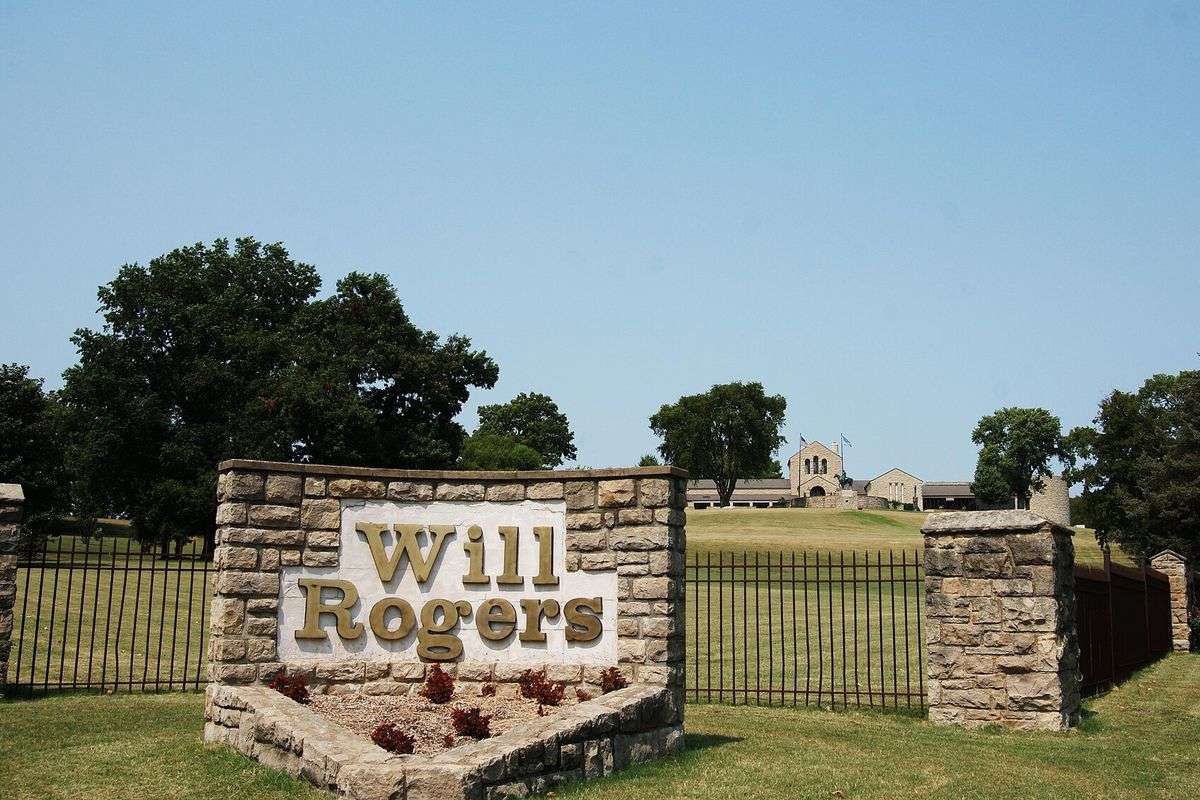
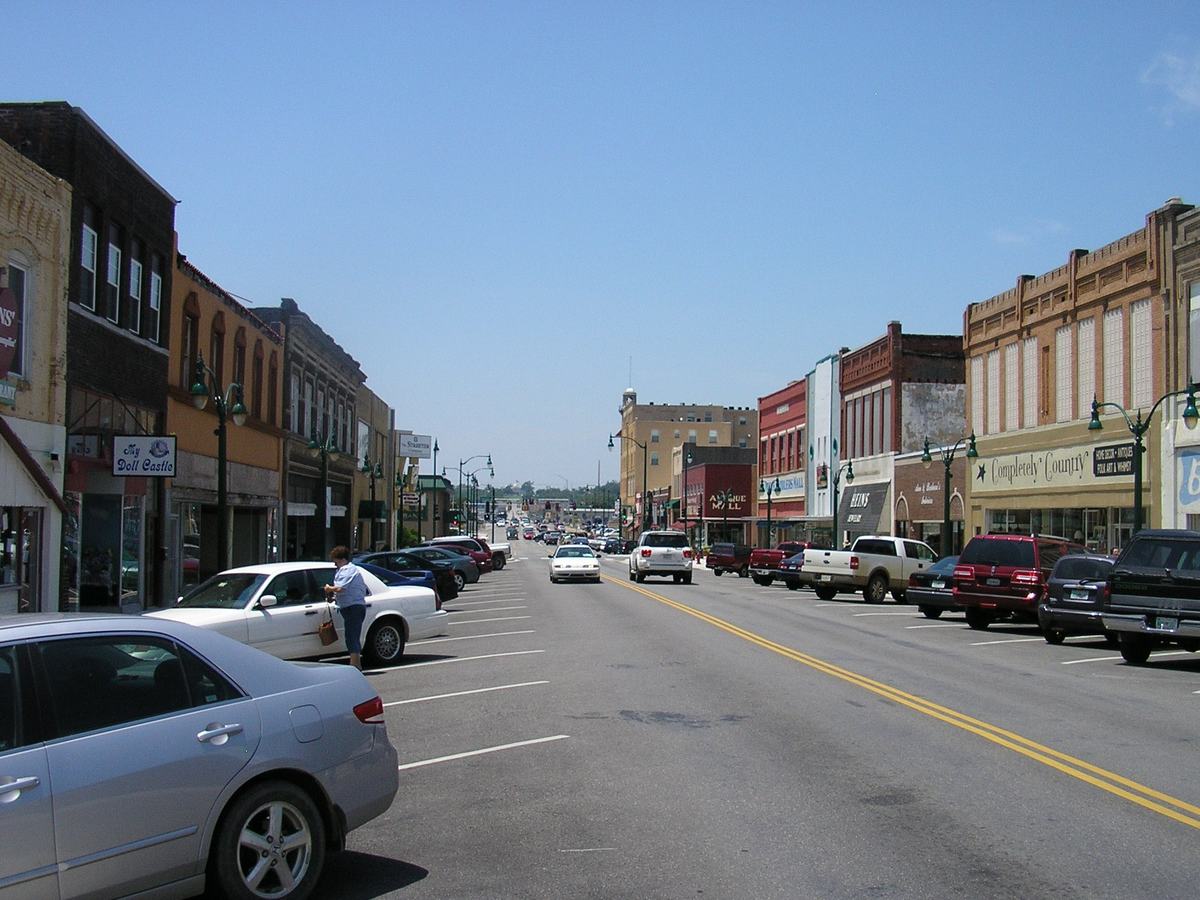
Claremore carries its identity openly: the Will Rogers Memorial Museum on the hill, the birthplace ranch preserved out toward Oologah, and a downtown of historic storefronts along Will Rogers Boulevard. The housing matches the small city pattern, established neighborhoods of mid century and older homes near the center, including Rogers State University area streets, newer subdivisions spreading toward the edges, and rural properties on acreage once you leave the city pattern. It is a working county seat mix, and its plumbing ages, foundations, and roof histories vary street by street.
For water damage, that variety is the point. An older in town home may run a crawl space and plumbing updated in stages over fifty years. A new subdivision home is slab on grade with modern lines and modern failure points. A rural Rogers County property may draw from a well, drain to a septic system, and sit far enough out that a leak runs longer before it is found. Claremore restoration work starts by identifying which of those houses is calling, because the checklist for each reads differently from the first question.
Where Water Gets In Across Claremore
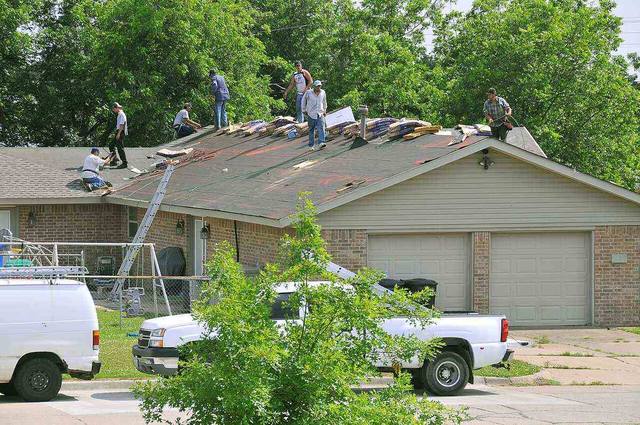
Storms write the Claremore headline. Rogers County sits in the Green Country storm track, and Claremore has taken direct tornado damage in recent memory, including the May 2024 tornado that damaged homes and the university area. Even without a tornado, spring systems deliver the roof test: wind driven rain against worn flashing, hail that bruises shingles into leaking two seasons later, and gutters overwhelmed into foundation lines. Roof leaks are the most underestimated call in the city, because the attic hides the damage until the ceiling announces it.
Below the roofline, the standard Green Country list applies with local weights. Slab leaks surface in the newer subdivisions as warm floors and bill spikes. Burst pipes find the older in town plumbing and the unheated corners of rural homes during hard freezes, and ice storms have a long Rogers County history. Water heaters fail in garages and closets across every neighborhood. Groundwater presses on low ground near Claremore Lake and the creek bottoms after heavy rain. The cause pages below lead with roofs and storms, where Claremore risk concentrates, and cover the rest in order.
University area rentals add a Claremore pattern the other small towns on this site meet less often. Rental turnover means plumbing that nobody owns long enough to know, water heaters whose age nobody has checked, and damage discovered by the next tenant rather than the owner. Landlords in the Rogers State area who schedule a between tenant plumbing and roof walkthrough spend far less on water over a decade than those who wait for the ceiling to report. The inspection takes an afternoon; the pattern it prevents is the one that empties a unit for weeks.
How a Claremore Water Damage Call Proceeds
1. Tell us the event and the address type
A storm damaged roof in town, a suspected slab leak in a subdivision, and a burst line at a rural property are three different first visits. What happened, and whether you are in town, in a subdivision, or out in the county, sets the plan.
2. Shut off water and make the scene safe
Close valves or the main for plumbing failures. After storm damage, respect downed lines, unstable debris, and wet electrical systems, and keep clear of any room where a ceiling is sagging under water weight.
3. Extract standing water and protect contents
Bulk water comes out first, and belongings in the wet footprint get moved or protected. For roof events, the attic and ceiling assembly join the work list from the start, not after the rooms are dry.
4. Map the moisture, attic to slab
Roof water spreads wider than its stain, and slab water travels under floors. Readings define the true footprint in both directions, which is what separates a drying plan from a guess.
5. Dry to a measured standard
Equipment sized to the footprint, verified with daily readings. Attic insulation that cannot dry in place comes out; materials that can dry, do, and the readings prove which was which.
6. Document the whole event
Dated photos, the damage path, maps, and final readings. Storm files especially benefit from a record that ties the interior damage to the event that caused it, kept from day one.
Drying Claremore Homes: Attics, Ceilings, and Storm Interiors
Storm work dries from the top down. A roof leak that has soaked attic insulation and ceiling drywall needs the assembly opened to readings: wet insulation loses its function and holds moisture against the ceiling, so it often comes out, while the ceiling itself can frequently be dried and saved when the water was clean and the response is early. Below, the floor plan gets the standard treatment, mapping across rooms the water reached by wall cavities and duct runs, which in storm interiors can be rooms far from the visible stain.
In the subdivisions, slab drying follows the metro pattern: per material decisions on flooring over the leak path, wall base readings, and controlled dehumidification against Rogers County humidity. In older in town homes, crawl spaces join the plan, and in rural properties, the well and septic systems enter the safety and source conversation. One framework, applied per house: measure everything, remove only what cannot dry, and verify the rest with numbers rather than optimism.
Ice storm preparedness belongs in every Claremore drying file, because Rogers County has lived the multi day freeze more than once. When power fails and pipes burst across a neighborhood in the same night, triage starts with the main shutoff and the well pump breaker where applicable, then extraction of whatever has run. Homes with a documented shutoff routine and insulated crawl space lines lose a pipe; homes without lose a floor. The file we leave at every job includes that routine, because the next ice storm is a when, not an if.
Insurance Documentation and Choosing Help in Claremore
Claremore files after a storm season carry a specific burden: connecting interior damage to a dated weather event. Insurers process hundreds of regional claims at once, and the files that move are the ones that document themselves, dated photos of the roof damage and the interior path, moisture maps, and drying readings, assembled from the first visit. Keep your own notes too: when the storm hit, when you found the damage, who you called. Our job file supplies the technical half of that record on every job, storm or otherwise.
Choosing help after a storm means resisting the first knock on the door. Storm seasons attract traveling operators who will not be in Rogers County when questions arise later. Ask any company what standard the work follows, the IICRC S500 framework, how hidden water gets found, and what documentation you will hold at the end. Ask whether they will tell you plainly when part of the problem, a roof at the end of its life, for example, belongs to another trade. Claremore is a small city; reputations here are local and earned, and your questions should test for exactly that.
Water damage in Claremore? Start with one call.
Call (918) 578-1166 and tell us what happened and where in Claremore you are. We extract, dry, and document the loss, and we explain each step before we do it.
Water Damage Causes We See in Claremore
Claremore water starts at the roof more often than most metro cities: storm and tornado damage, hail worn shingles, and leaks that hide in attics. These pages lead with roofs and storms, then cover the pipes, slabs, and basements underneath.
Main Water Damage Services in Claremore
Every Claremore call runs through the same main services: emergency response, residential and commercial restoration, and round the clock cleanup. The pages below explain each one in full.




Nearby Communities We Serve
Claremore is the metro northeast anchor, with Oologah up the road, Catoosa and Owasso below it, and Tulsa at the end of the turnpike run. Each nearby page stands on its own community facts, because Rogers County storm country is its own trade.



Return to the water damage restoration Tulsa OK home page for the full process, cause, mold, and insurance pages, see all service areas, or start with emergency water damage restoration if water is active right now.
Water Damage Questions from Claremore Homeowners
What water damage does Claremore see most?
Storm water leads. Claremore sits in the northeast Oklahoma storm track, and its calls cluster after spring systems: roof leaks where wind and hail have worked on shingles and flashing, water through damaged roofing after tornado events, and runoff problems where lots and ditches move storm water toward homes. Inside the houses, the small town and suburban mix produces the standard list: burst and aging pipes, water heaters, and slab leaks in the newer subdivisions. The May 2024 tornado that struck Claremore is the recent reminder that here, the roof is the first line of the whole water defense.
My Claremore roof leaked during a storm. How much damage can that do inside?
More than the stain suggests. Roof water enters at the deck or flashing, saturates attic insulation, and spreads across the ceiling drywall before it ever shows, so the wet footprint inside is usually wider than the mark you can see. Insulation that stays wet holds moisture against the ceiling and feeds mold. The assessment reads the attic and the ceiling assembly, not just the room, and drying plans for roof leaks almost always include the space above the ceiling. If a stain is growing or a ceiling feels soft, treat it as active until readings say otherwise.
Does the Claremore Lake area have different water risks?
Somewhat. Homes near Claremore Lake and the low ground around its creeks sit closer to the water table, so crawl spaces and any below grade spaces stay damper, and heavy rain raises groundwater against foundations faster than it does on the higher streets in town. Lake area properties also include older cabins and converted weekend homes in the mix, with plumbing that may sit unused and unheated in winter, a freeze risk of their own. The checks are the same as anywhere: know your drainage, watch the crawl space after storms, and shut water off when a seasonal property will sit empty in cold weather.
Claremore mixes small town and suburban homes. Does the approach change?
The science does not change; the investigation does. In town and in the older neighborhoods, homes carry mixed era plumbing, some crawl spaces, and roofs with long hail histories. In the newer subdivisions toward the edges, slab construction and modern systems produce slab leaks, appliance failures, and upstairs plumbing events. Rural properties outside the city pattern add wells, septic systems, and longer distances between the first sign and the first response. Tell us which Claremore you live in, street, subdivision, or county road, and the first visit is planned for that house, not an average one.
How does the May 2024 Claremore tornado change how I should think about my roof?
It made roof condition a documented asset rather than an assumption. After a tornado or severe hail event in Rogers County, get the roof inspected and keep the inspection notes with your home records; the inspection after the event establishes the roof condition on a date, which is what an insurer wants when the next storm arrives. Between events, walk the attic side once a year, looking for daylight, stains, and damp insulation, and keep gutters clear so roof water leaves the lot instead of testing the foundation. A roof whose condition you can show is a claim that argues itself.
Will insurance cover tornado related water damage in Claremore?
Wind driven rain entering through storm damaged roofing is generally treated differently from flood water rising from the ground, and most homeowners policies are built around the storm side of that line, subject to your deductibles, including any separate wind or hail deductible your policy carries. Rising water belongs to flood coverage. Your insurer applies your policy to your facts; nobody honest can promise the outcome in advance. What decides the strength of the file is documentation, dated photos of the damage path, moisture mapping, and readings through drying, which we produce on every job as a matter of routine.
One call starts extraction and drying.
Talk to a Tulsa area dispatcher now about your Claremore property. You will get clear next steps and documentation from the first visit.