Tulsa, OK - 24/7 Emergency Service
Sump Pump Failure Flood Cleanup Tulsa OK
The sump pump is the basement only machine, and it is asked to perform in the worst hour of the worst storm. When it fails, we pump out, dry, and run the autopsy so it does not fail the same way twice.
- Emergency pump-out with backup pumping capacity
- Failure diagnosis: float, power, check valve, capacity
- Basement structure and contents drying to readings
- Battery backup and prevention recommendations
The source decides the cleanup. Clean supply water, a leaking appliance, and sewage each need a different protocol, and the wrong one makes things worse.
The Perfect Storm Problem: Maximum Water, Minimum Power
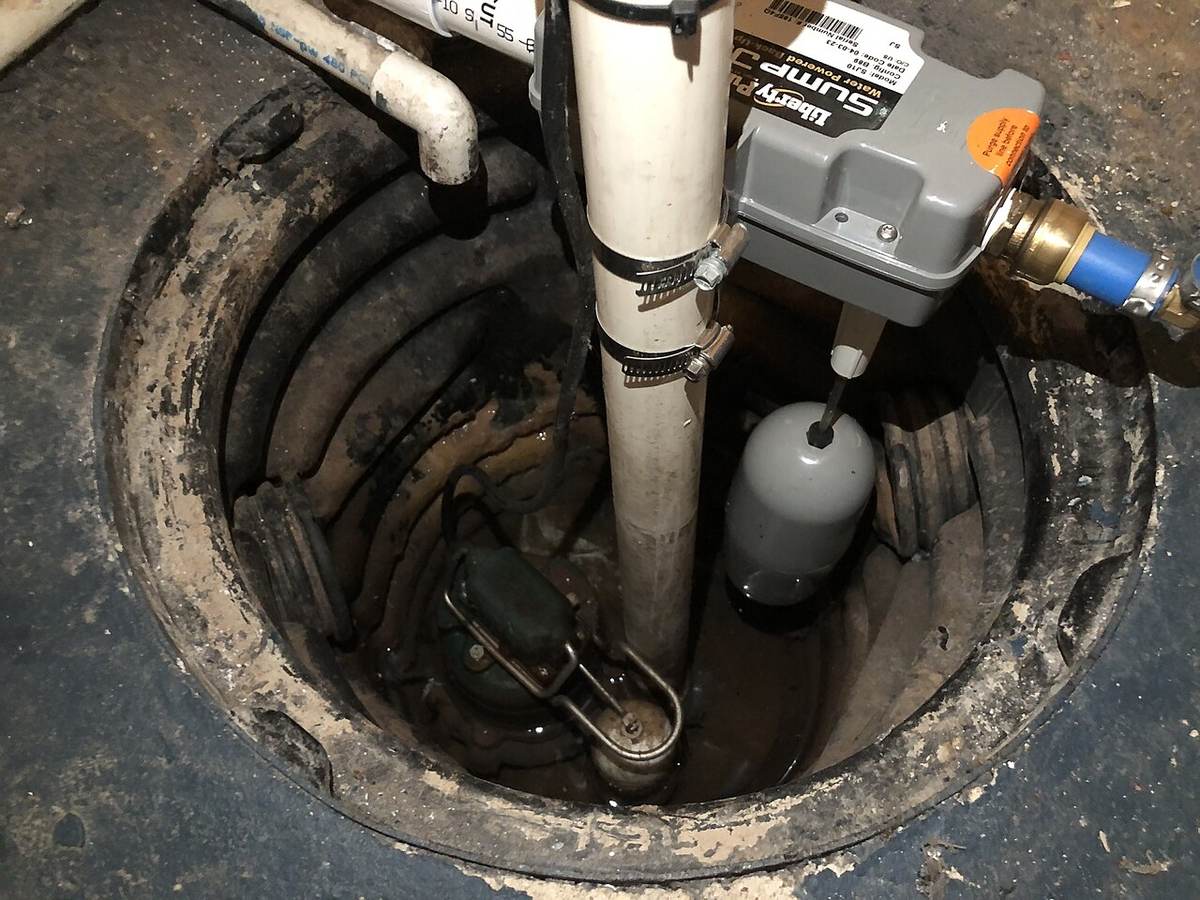
Sump pumps exist for the hours when groundwater peaks, and in Tulsa those hours arrive with severe storms: inches of rain, saturated clay, a rising water table, and drainage systems running full. Those same storms bring the outages, from wind, lightning, and ice in winter, that silence an electric pump. The correlation is the entire problem. A pump can test perfectly on a quiet spring afternoon and be useless in the only hour that matters, because nobody tested its power supply against a storm. This is why sump failure floods cluster: whole neighborhoods lose power and gain basement water in the same night.
Mechanical failures fill the rest of the pattern. Float switches stick, tangle, and wear. Check valves fail open and let every discharged gallon become next cycle work. Pumps ingest pit debris and jam. Breakers trip. And capacity itself can be the failure: a builder grade pump sized for ordinary seepage meets a storm season inflow it was never going to match, runs continuously, and loses ground an inch an hour until the pit spills. Each of these leaves evidence in the pit, and reading it is part of the cleanup, because the repair that ignores the cause is a countdown to the sequel.
What the Water Does While the Pump Sits Silent
A failed pump converts the basement into the drainage system. Water rises from the pit and spreads across the slab to the lowest rooms, wetting everything stored at floor level first, then wall bases, door frames, and the bottom plates of finished walls. In finished basements, carpet and pad saturate within the first inches, drywall begins wicking above the waterline, and furniture legs and built-ins drink from below. Depth is time here: an inch discovered in an hour is an extraction and drying job; a foot discovered after a weekend away is a materials loss with removal, and the mold clock runs on both from the moment the water arrives.
The water itself is groundwater and storm water, which means it has passed through soil and the drainage system and is not treated as clean supply water during cleanup. Finished materials it touches are handled accordingly, and disinfection and antimicrobial steps follow category. Homeowners are told that classification plainly, because it explains why carpet pad in a sump flood is treated differently from carpet pad under a burst supply line, even when the two floods look identical from the stairs.
Pump-Out, Failure Autopsy, and Drying: The Response Sequence
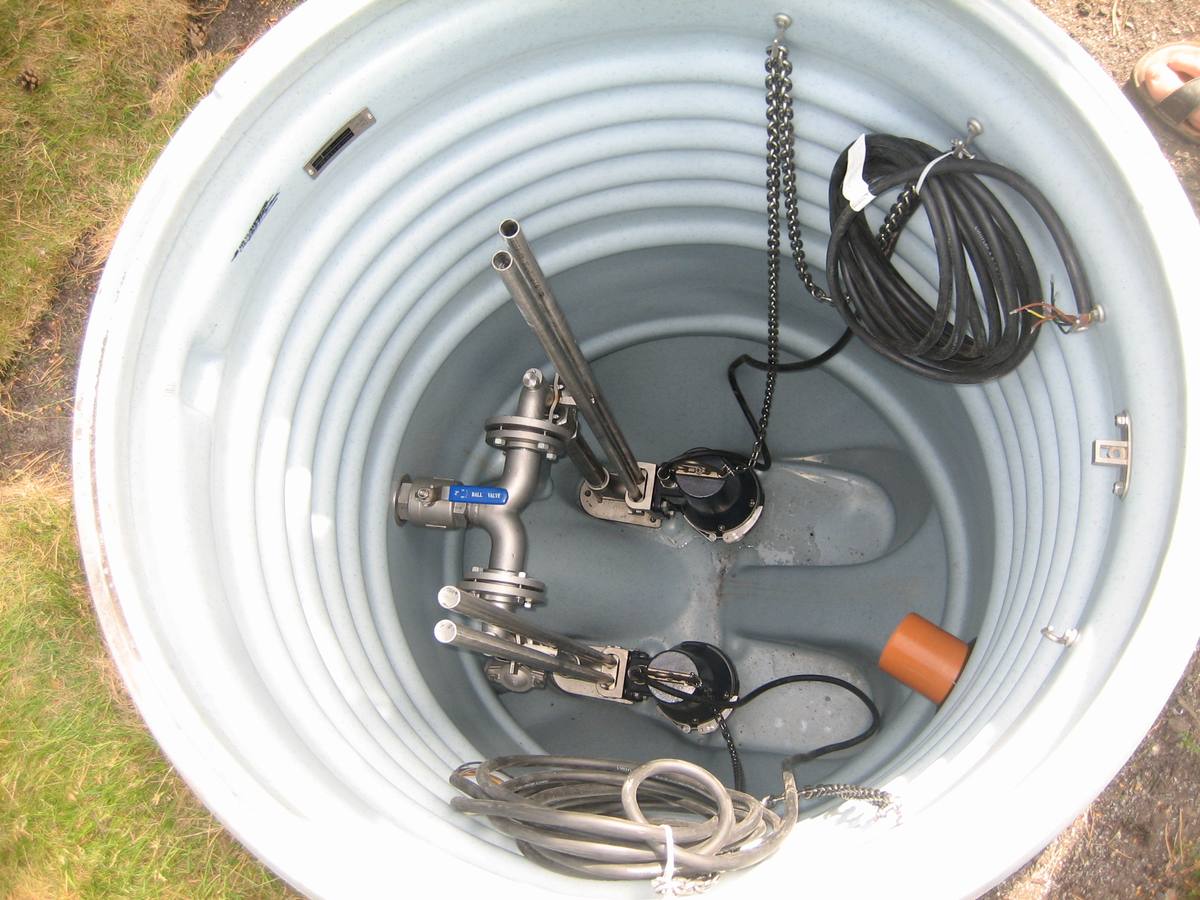
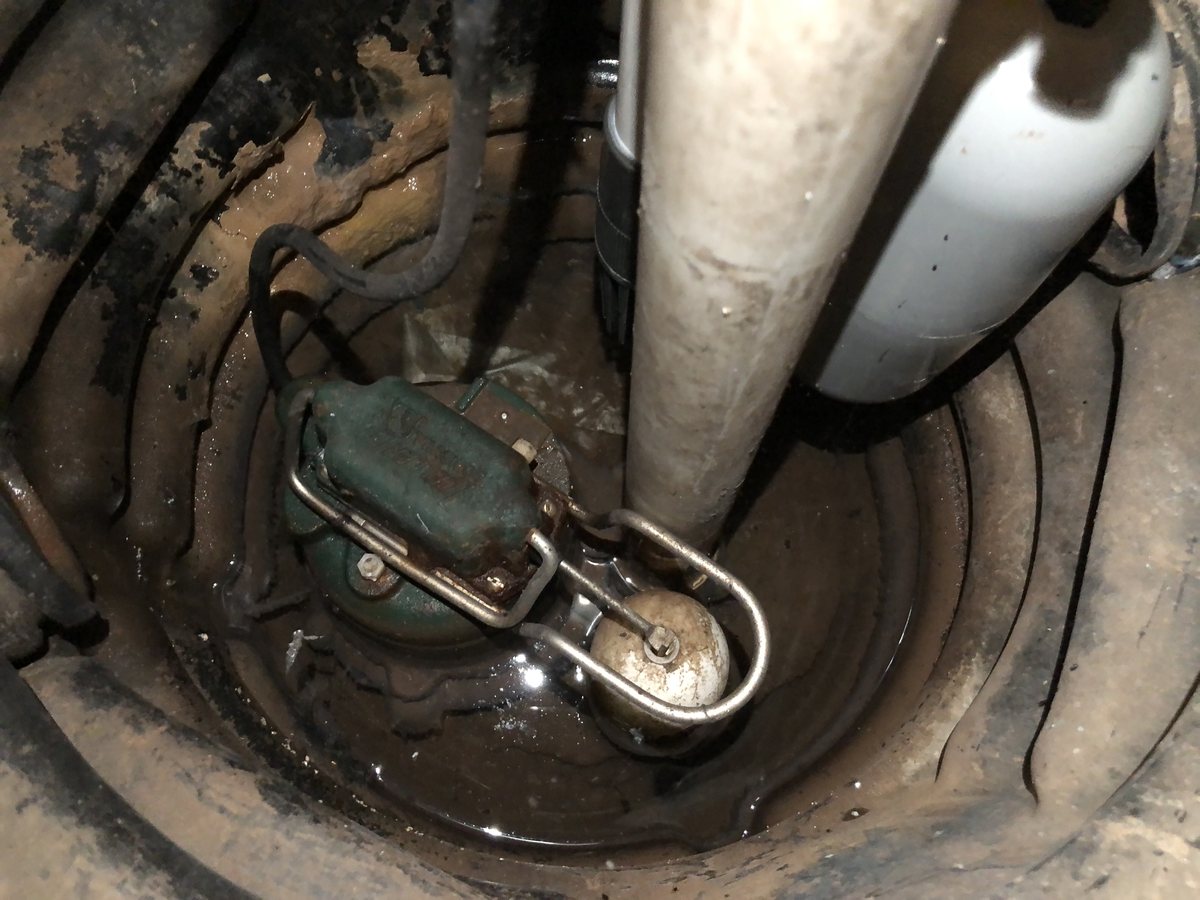
The response brings its own pumping capacity, because the first job is removing water the house pump could not. Submersible pumps clear the standing water, discharging outside away from the foundation, and extraction finishes the floor. With the water down, the pit gets its autopsy: float movement, switch condition, check valve behavior, breaker and power state, pump age and capacity against the pit inflow. Sometimes the finding is simple, a stuck float freed and a pump that runs; sometimes it is a dead unit and a replacement conversation for the plumber. Either way the homeowner learns exactly which failure flooded their basement, in writing.
Drying then proceeds on the basement plan: moisture mapping of walls, framing, floors, and contents zones, removal of category failed materials in finished spaces, dehumidification sized for below grade Tulsa humidity, and daily readings to dry standard. The sump system is left either working and tested, or clearly flagged for replacement before the space is closed up, because drying a basement under a pump that will fail again is work we would rather not do twice.
How the Cleanup Proceeds, Step by Step
1. Call and storm triage
The dispatcher asks about power status, water depth, finished space, and whether the pump is silent, running, or cycling, then gives electrical safety guidance for the basement.
2. Emergency pump-out
Crew pumping equipment removes standing water, discharging away from the house, and extraction clears the floor and materials surfaces.
3. Sump system autopsy
The pit is inspected: float, switch, check valve, power, pump age and capacity. The failure cause is identified and documented for the repair decision.
4. Moisture mapping and category call
Walls, framing, floors, and contents are mapped, and the water category is set from its groundwater path, deciding removal versus cleaning for porous materials.
5. Drying with daily verification
Dehumidification and airflow dry the structure, with readings logged against dry standards in masonry, wood, and remaining finishes.
6. Prevention handoff
You receive the failure report and a prevention list sized to it: pump replacement specs, battery backup recommendation, check valve and pit maintenance, and a test schedule.
Battery Backup and Water Powered Options: Insurance That Pumps
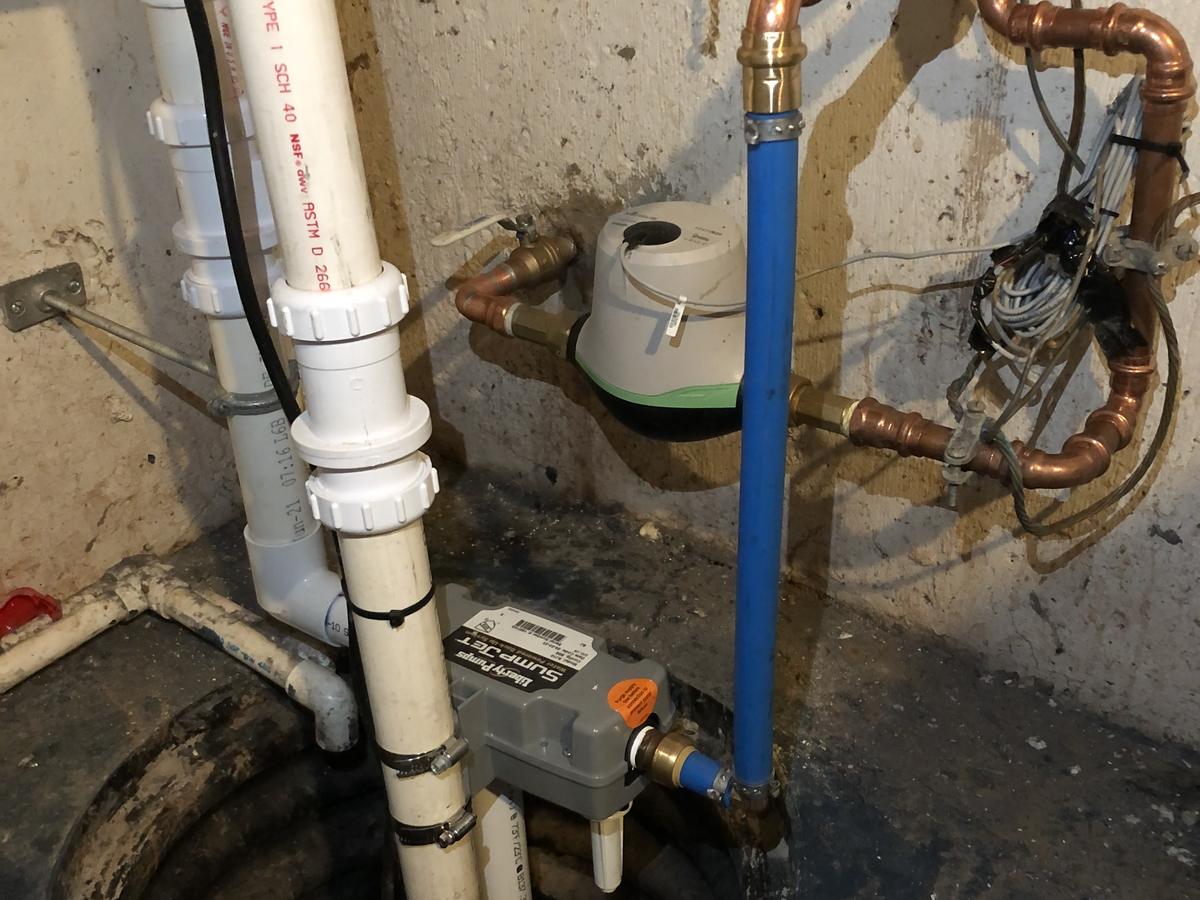
A battery backup sump system is a second, smaller pump powered by a marine battery, ready to run when the primary pump fails or the power does. It covers the two dominant failure modes of this entire category, outage and mechanical failure, and better systems self test and alarm. Water powered backup pumps, which use municipal water pressure to move pit water, suit homes on city water with reliable pressure and no power at all to maintain, though they spend drinking water to do it and do not fit well water homes. The choice between them is a plumbing conversation; the case for having one of them, in a Tulsa basement with a sump pit, is the flood history on this page.
Whichever system guards your pit, maintenance is the multiplier: batteries age out in a few years, chargers fail silently, and floats stick in backup pits too. The test is the same bucket of water, twice a year, plus a look before forecast storm events. Five minutes, twice a year, against the cost of one finished basement.
Dealing with this in Tulsa right now?
Call (918) 578-1166 and a local dispatcher will talk through what happened, whether the water is still spreading, and the safest next step for your home or business in Tulsa County.
Process Steps That Fix This Damage
Sump failure recovery is pump-out, extraction, and verified basement drying. These process pages explain the steps from standing water to a dry, documented basement.



Main Water Damage Services in Tulsa
Every cause on this site is handled inside the same full restoration sequence. These pages cover the emergency, residential, and commercial services that frame the response.


Other Causes of Water Damage in Tulsa
Return to the water damage restoration Tulsa OK home page for the full process, cause, mold, and insurance pages, or start with emergency water damage restoration if water is active right now.
Frequently Asked Questions
Why did my sump pump fail?
The failure autopsy usually finds one of a short list. The float switch is the most common culprit: it sticks against the pit wall, tangles in its own cord, or its mechanism wears out, so the pump never receives the signal to run. Power failure during the storm is next, because the heaviest inflow and the outage arrive together. Check valve failure lets discharged water fall back into the pit, cycling the pump until it burns out or simply losing ground each cycle. Pumps also die of age, debris jamming the impeller, a tripped breaker or unplugged cord, and plain overwhelm, when inflow during a Tulsa downpour exceeds what the pump can move. The cleanup visit reads the pit and reports which failure you had, because each one has a different fix.
How do I prevent sump pump failure?
Test the pump before storm season and a few times a year: pour water into the pit and watch it start, discharge, and shut off cleanly. Keep the pit clear of debris and the float free to move through its full arc. Confirm the check valve holds by listening for water falling back after a cycle. Know the pump age; a unit past its expected service years is a planned replacement, not a surprise. And protect the power: the pump should be on a reliable circuit you know, with battery backup as the layer that works when the grid does not. Prevention here is a checklist, not a purchase.
Do I need a battery backup sump pump?
In Tulsa, the honest answer for most basement homes is yes. The failure statistics of this category are dominated by one scenario: a severe storm drops heavy rain and cuts power in the same hour, the primary pump sits silent, and the pit overflows into the basement the pump existed to protect. A battery backup pump runs through typical outage lengths, handles inflow when the primary fails mechanically as well, and many systems alarm when they engage, which is information a homeowner wants. Sized and maintained, it is the cheapest flood insurance that is not insurance. If your basement is finished, the case is stronger still.
What is the difference between pedestal and submersible sump pumps?
A pedestal pump keeps its motor above the pit on a column, with the impeller at the base; it is easy to service and long lived, but louder and exposed. A submersible pump sits sealed inside the pit, runs quieter, handles higher volumes, and keeps the pit covered, at the cost of being harder to inspect. Both move water; the choice usually follows pit size, noise tolerance, and how much inflow your basement sees in a Tulsa storm. Either type fails the same ways at the float and the power supply, which is why backup and testing matter more than the style debate.
The power is back and my pump is running now. Do I still need cleanup?
If water only filled the pit and a contained area of unfinished floor and was pumped promptly, the remaining job may be small: drying, cleaning, and a check of wall bases and stored items. If water spread across a finished basement, sat for many hours, or reached drywall, carpet, and contents, then yes, the pump running now only means the source stopped; the moisture in materials is the actual loss, and it needs mapping and drying to standard. The decision is readable from the footprint and readings, and an assessment will tell you plainly which scale of problem you have rather than selling you the larger one.
One call starts the cleanup.
Talk to a local Tulsa dispatcher now. You will get clear next steps, a real arrival plan, and documentation from the first visit.