Tulsa, OK - 24/7 Emergency Service
Crawl Space Moisture Problems in Tulsa Homes
If your Tulsa home is built on a pier-and-beam foundation with a crawl space, there is moisture beneath your floor right now. The question is not whether it is there, it is how much, how long it has been there, and whether it has already started damaging the structural wood that holds your house up. Crawl space moisture is Tulsa's silent home destroyer. It does not announce itself with standing water or dripping ceilings. It works in the dark, on the underside of materials you never see, and by the time symptoms appear inside your home, the damage beneath your floor may have been developing for years.
These guides follow the same process used on Tulsa jobs: stop the source, extract, dry to measured goals, and document everything.
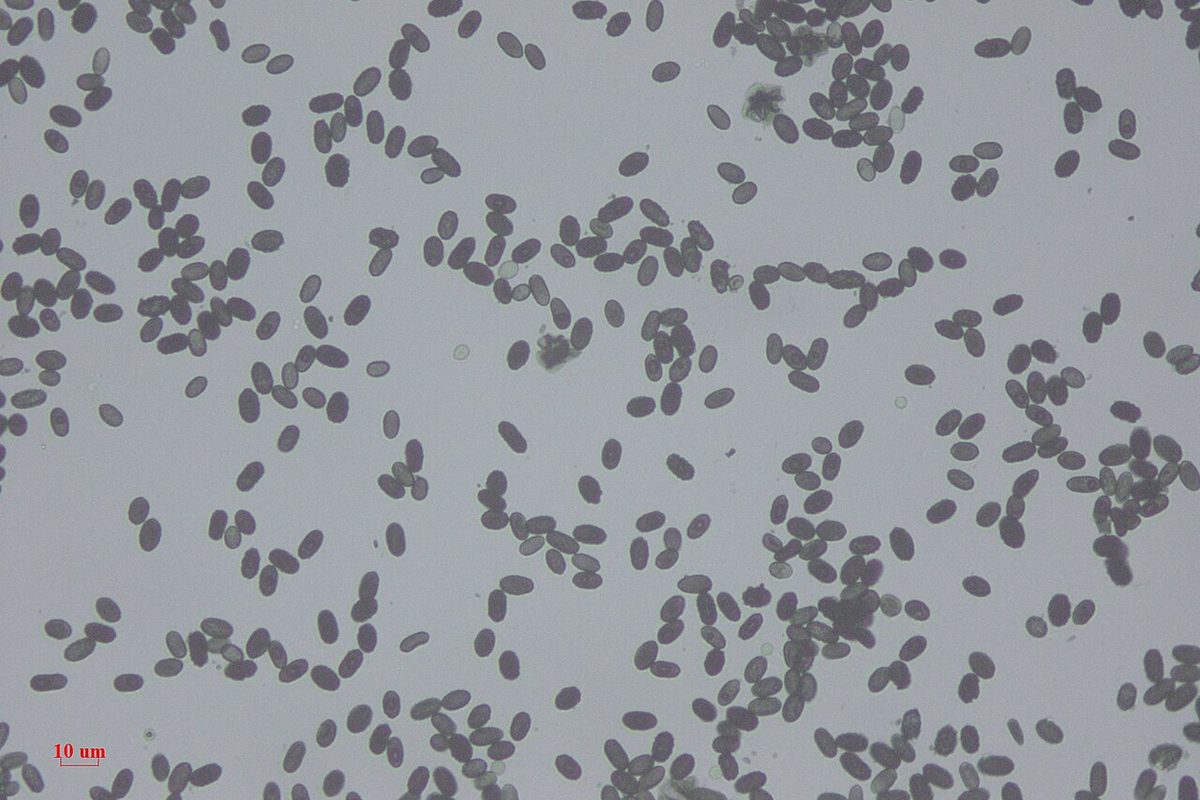
The Three Moisture Sources in Every Tulsa Crawl Space
Soil evaporation. The soil surface beneath your crawl space releases moisture vapor continuously. After rain saturates Tulsa's clay, evaporation increases dramatically, the soil beneath your home can release gallons of water vapor per day into the crawl space air. Without a sealed vapor barrier, this moisture rises freely into contact with every structural component above it.
Ambient humidity. Tulsa's humid subtropical climate means outdoor air entering the crawl space through foundation vents, gaps, and unsealed openings carries 60 to 80% relative humidity for much of the year. This air does not dry crawl space surfaces. It maintains them at levels supporting mold growth year-round.
Condensation. During warm months, the crawl space is cooler than outdoor air, below grade and shaded. When warm, humid air enters the cooler space, moisture condenses on the coolest surfaces, floor joists, subfloor sheathing, and rim joist. This deposits liquid water directly onto structural wood.
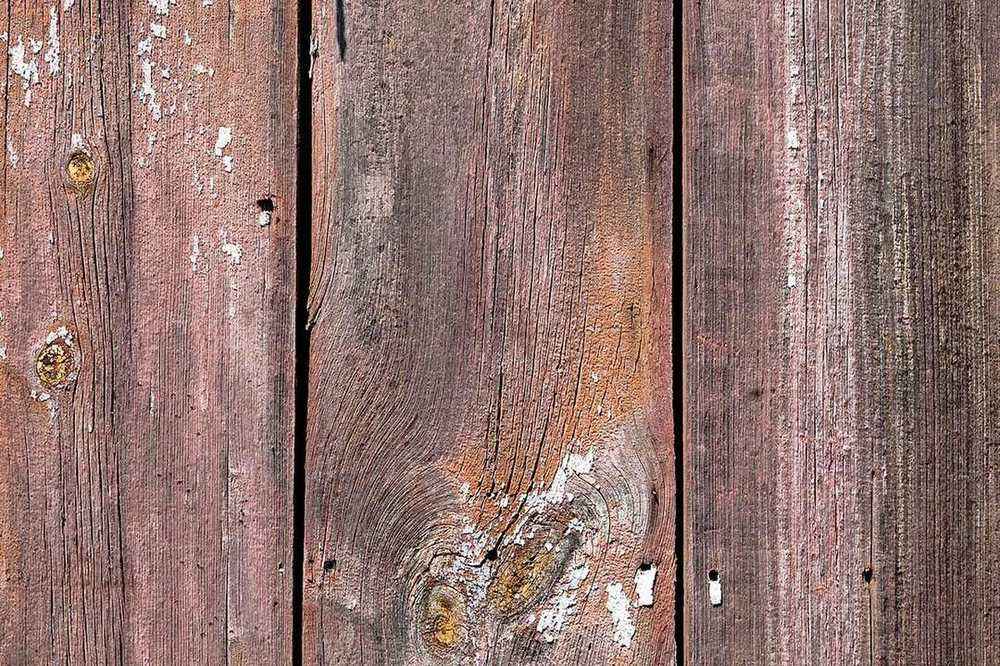
What Chronic Crawl Space Moisture Does
Mold on structural wood. Joists, subfloor, rim joist, and sill plate colonize when sustained humidity exceeds 60%, the default condition in an unmanaged Tulsa crawl space.
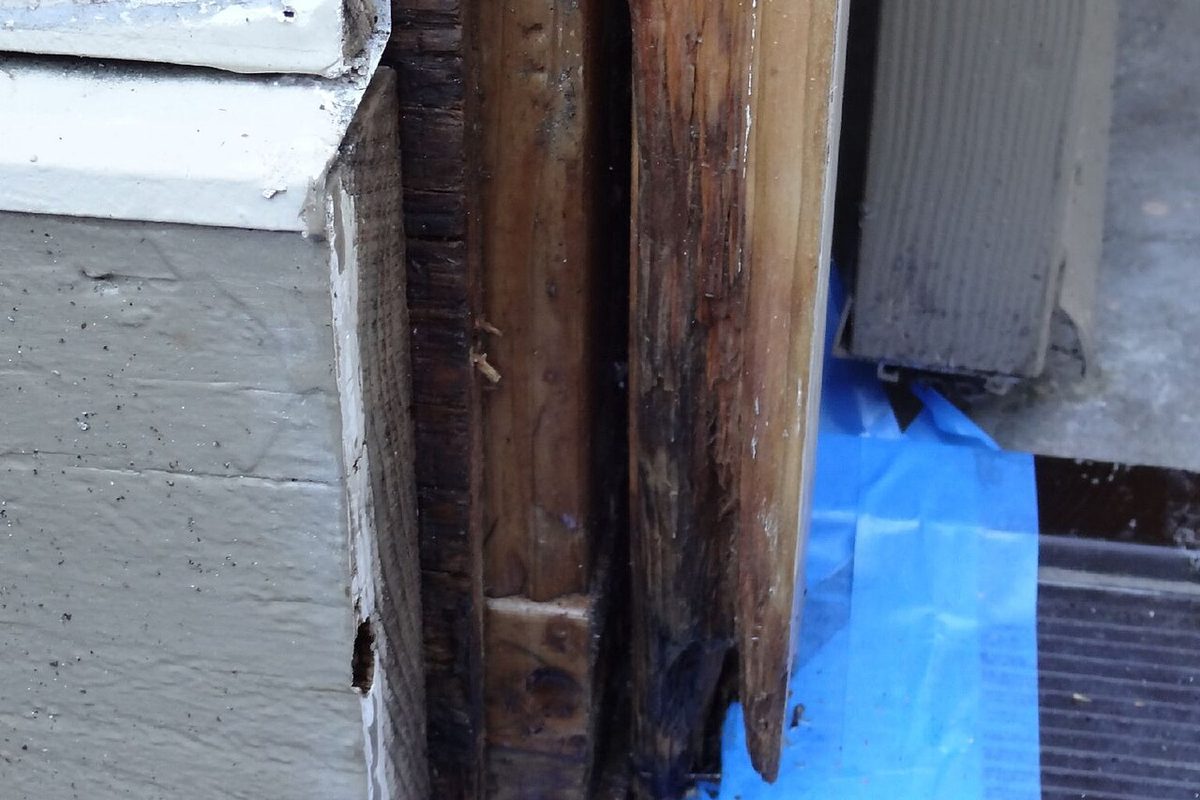
Wood rot. Extended exposure progresses from surface mold to wood-decay fungi that break down cellulose structure. Soft rot weakens joists and subfloor until they can no longer carry their designed load, manifesting as bouncy, sagging, or uneven floors above.
Indoor air contamination. Research indicates 40 to 60% of first-floor air in a crawl space home originates from the crawl space. The stack effect pulls crawl space air upward through floor penetrations, HVAC returns, and subfloor gaps. Elevated mold spores, volatile organic compounds, and humidity below means contaminated air above.
Energy inefficiency. Wet fiberglass insulation sags away from the subfloor, creating gaps. Humid crawl space air increases the HVAC moisture load. Both drive up energy costs.
Pest attraction. Termites, carpenter ants, and wood-boring beetles are attracted to moisture-rich wood. A chronically wet crawl space creates habitat for wood-destroying organisms.
The Permanent Solution: Crawl Space Encapsulation
Encapsulation converts the crawl space from a vented, uncontrolled cavity into a sealed, conditioned space protecting structural wood indefinitely.
Heavy-duty vapor barrier (20 mil). Covers the entire soil surface, seals at seams, attaches to foundation walls above the moisture line. Blocks soil evaporation, the primary moisture source.
Sealed foundation vents. Open vents allowing humid outdoor air are sealed. The crawl space becomes a closed system no longer subject to outdoor humidity.
Insulated foundation walls. Rigid foam board on interior foundation walls replaces fiberglass between joists. Stabilizes temperature, reduces condensation.
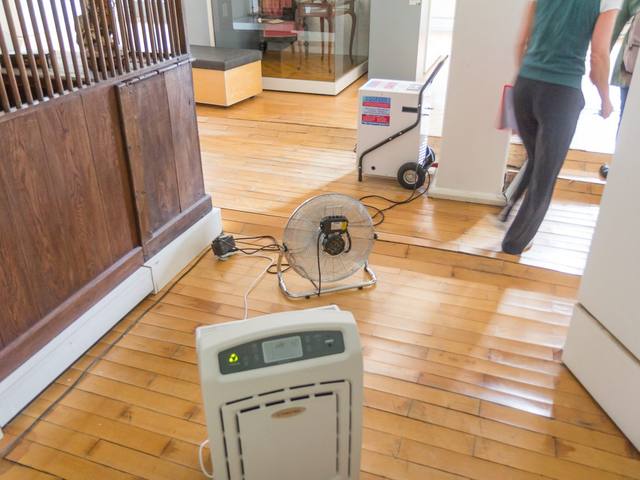
Dedicated crawl space dehumidifier. Commercial-grade unit maintains humidity below 55% year-round, draining condensate automatically.
Encapsulation is the only solution addressing all three sources, soil evaporation, ambient humidity, and condensation, simultaneously and permanently.
→ Crawl Space Mold Remediation | → Crawl Space Water Damage | → Indoor Air Quality
Reading about it is step one. Drying is step two.
If this article describes your house right now, call (918) 578-1166. We extract, dry, and document the loss, and the record we build is the one your insurer will ask for.
More From the Tulsa Water Damage Blog
Back to the Tulsa water damage blog index, the water damage restoration Tulsa OK home page, or emergency water damage restoration if water is active right now.
One call starts extraction and drying.
Talk to a Tulsa dispatcher now. You will get clear next steps and documentation from the first visit.