Tulsa, OK - 24/7 Emergency Service
Indoor Air Quality Testing Tulsa OK
Air you cannot see deserves measurement, not opinion. We test Tulsa homes for mold spores, particulates, VOCs, and ventilation performance, and translate the numbers into a fix list.
- Mold spore counts against an outdoor baseline
- Particulate and VOC screening in living areas
- HVAC and filtration assessment included
- Plain language report with prioritized fixes
In Tulsa humidity, mold can begin growing within 48 to 72 hours of a water loss. Drying to measured goals is what keeps a water job from becoming a mold job.
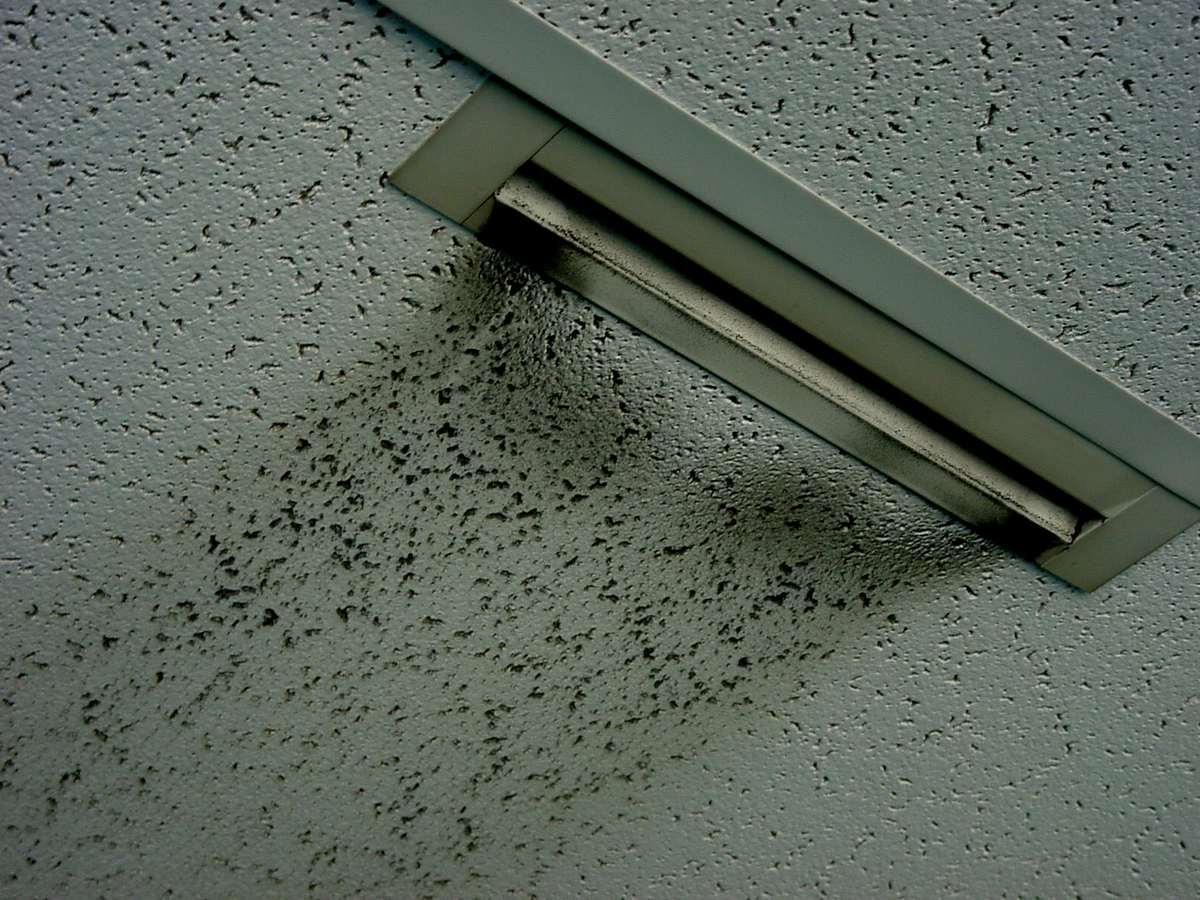
What Indoor Air Quality Testing Actually Measures
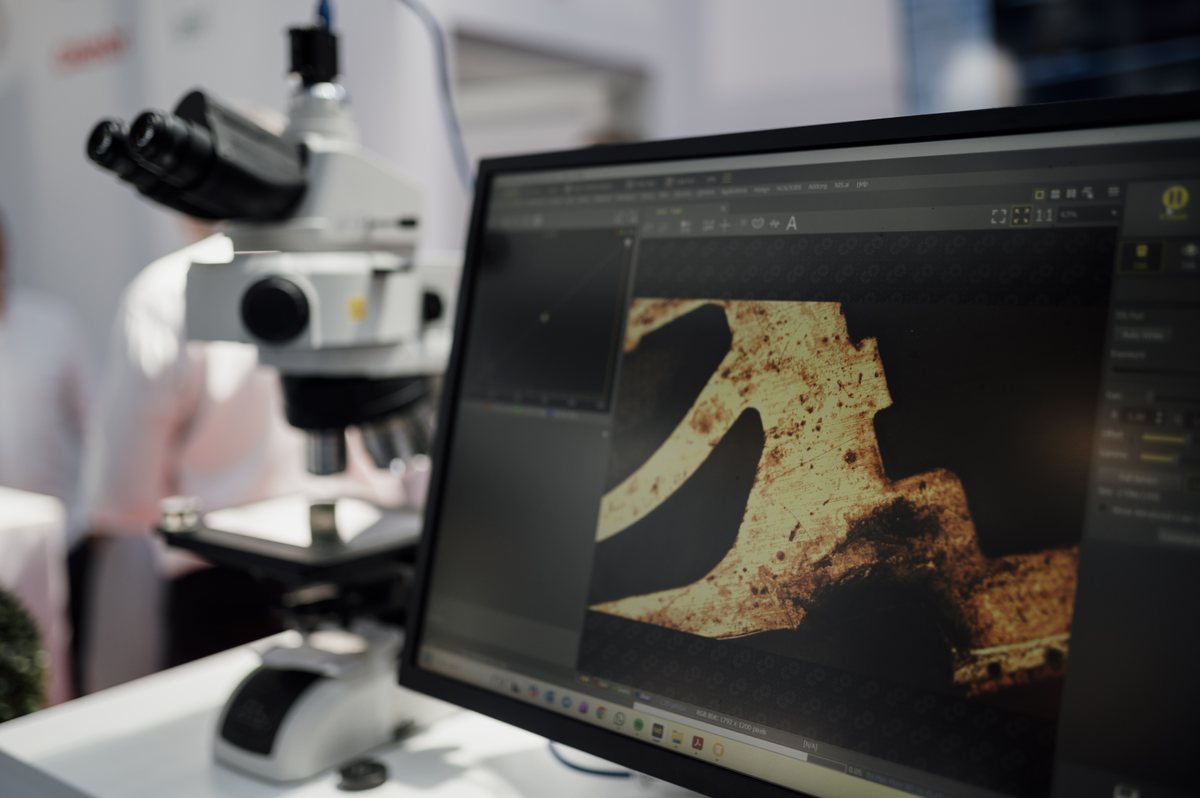
The panel starts with mold, because it is the question Tulsa homes ask most: spore trap samples in the living areas, analyzed by a laboratory for counts and species, and read against an outdoor control sample taken the same day. Indoor air in a healthy home broadly mirrors outdoor air at equal or lower counts. A room that departs from that pattern, in total count or in species that barely appear outdoors, is reporting an indoor source, and the species list often hints at whether that source is recent, chronic, or tied to a specific material.
Around the mold sampling, the panel measures the rest of the air’s story: airborne particulates by size, screened VOC levels from the home’s materials and habits, and the condition numbers, humidity, temperature, and carbon dioxide, that describe ventilation. An HVAC assessment ties it together, because the system that moves the air also filters it, drains condensate, and in many Tulsa homes, adds or removes the humidity the whole panel is reacting to.
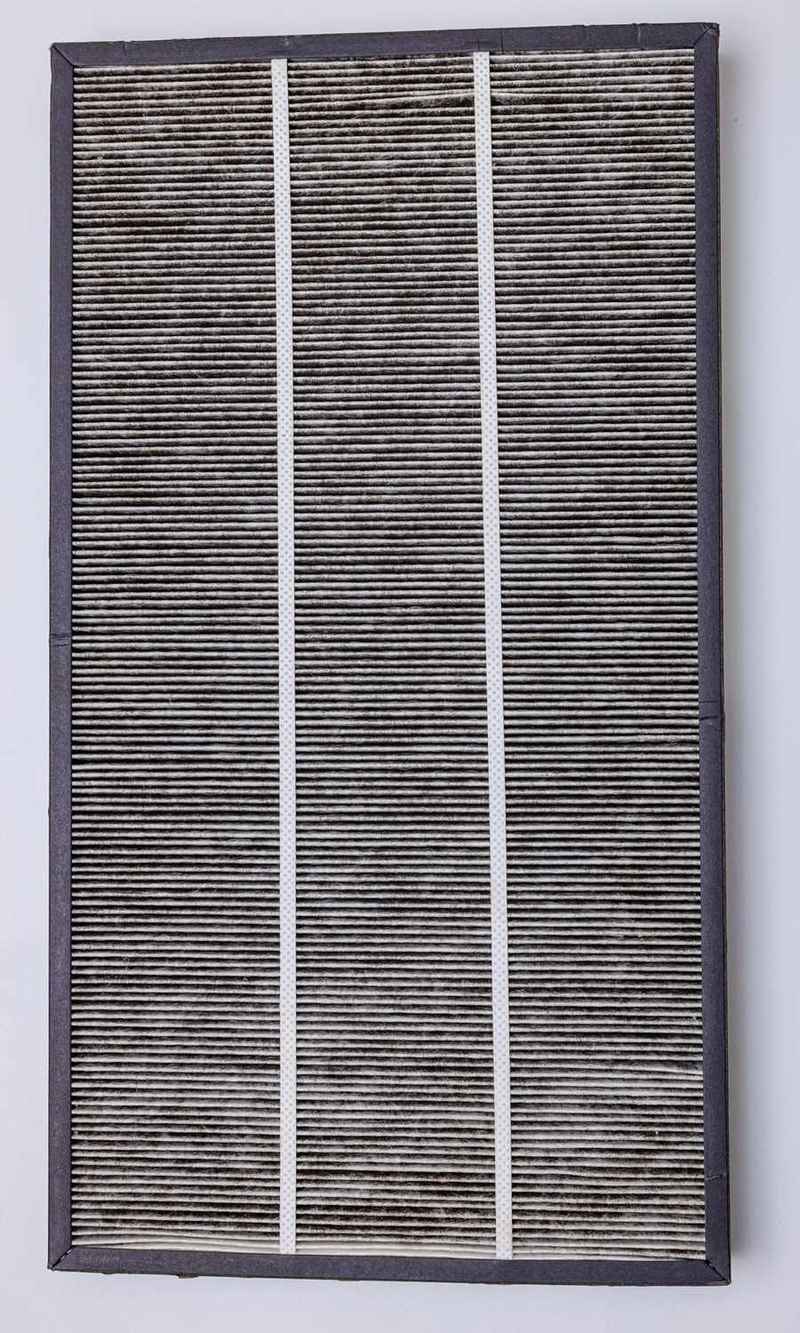
When Tulsa Homes Need Testing: After Damage, After Remediation, and When Something Feels Off
The most common bookings are verification bookings: clearance testing after a remediation, confirming spore levels are back to a normal profile before a family treats the project as done, and post water damage checks where the drying looked complete and the air should prove it. The second family is diagnostic: the persistent odor no one can locate, the dust that returns in a day, the home that feels irritating in a pattern that follows rooms or seasons. Testing sorts those from guesses into measurements, and the measurements usually name their own fix.
Transactions are the third family: buyers who want the air documented like the roof and the HVAC, sellers who would rather hand over a report than negotiate a suspicion, and landlords documenting conditions between tenants. In each case the value is the same, an objective record produced the same way, readable by people who were not in the room.
How the Work Proceeds, Step by Step
1. Interview and walk-through
Concerns, history of water damage or remediation, HVAC layout, and the rooms where symptoms or odors concentrate set the sampling plan.
2. Condition readings
Temperature, relative humidity, and carbon dioxide are read room by room as the ventilation and moisture context for everything else.
3. Particulate and VOC screening
Real time particulate counts by size and VOC screening in the living areas and any concern rooms, with sources noted as they are found.
4. Mold air sampling with outdoor control
Spore trap cassettes in the sampled rooms and outdoors, chain of custody documented, sent for laboratory identification and counts.
5. HVAC and filtration assessment
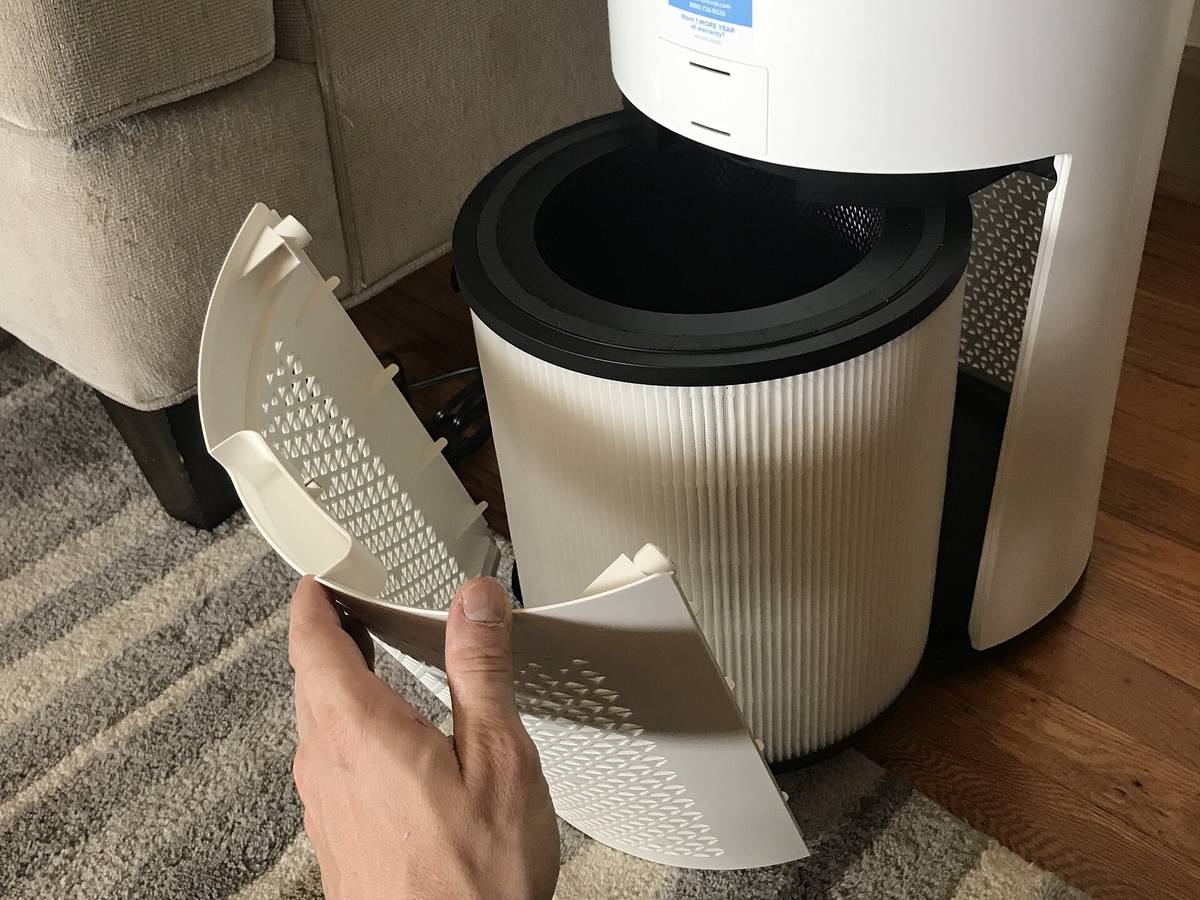
Filter condition and fit, visible duct state, condensate drainage, and return air paths are inspected as the system that governs the air between tests.
6. Report and fix list
Lab results and readings in plain language: what is normal, what is not, what is causing it, and the fixes in priority order, from filter changes to source remediation.
The HVAC System: The Lungs in the Middle of Every Result
Every air test in a Tulsa home is partly a test of its HVAC system. An oversized or short cycling system in summer leaves humidity high, and high humidity is the background condition for both mold growth and dust mite allergens. A filter that fits poorly or is overdue lets particulates recirculate. A condensate drain that overflows at the air handler seeds the very air stream the home breathes. Duct leakage in an attic or crawl space pulls unconditioned, unfiltered air into the supply side with every cycle.
The assessment therefore ends at the equipment as often as it begins in the rooms. Many air quality findings resolve with unglamorous HVAC corrections: drainage fixed, filtration upgraded and sealed, duct leaks closed, humidity brought under control. Where the finding is a growth source in a wall, crawl space, or the unit itself, the report hands off cleanly into a remediation scope with the evidence already collected.
Reading the Results Without Fear or Complacency
Air numbers need context, and the report provides it: there is no single pass fail line for a home’s air, there are comparisons, to the outdoor baseline the same day, to normal indoor profiles, and to the home’s own rooms. An elevated count in one room with a known, fixable source is a work order, not a verdict on the house. A clean panel after remediation is verification you can file. And a normal result in a home that still feels wrong redirects the search honestly, toward ventilation, toward a specific product or habit, toward a physician for the human side of the question.
We do not sell alarm: spores exist in all Oklahoma air, and the goal is an indoor profile that looks like a home, not a laboratory. The report says where yours stands and the shortest path to normal.
Dealing with mold in Tulsa right now?
Call (918) 578-1166 and a local dispatcher will talk through what you are seeing, where the moisture is coming from, and the safest next step for your home or business in Tulsa County.
Water Damage Causes Behind Mold Problems
Air findings usually trace back to a water or HVAC event. These cause pages cover the sources that most often change what a Tulsa home breathes.
Other Mold Services in Tulsa
Return to the water damage restoration Tulsa OK home page for the full process, cause, mold, and insurance pages, or start with emergency water damage restoration if water is active right now.
Frequently Asked Questions
How do I know if my indoor air quality is bad?
Signs point, tests measure. The signs are persistent musty or chemical odors, visible mold growth, dust that rebuilds unusually fast, condensation on windows, and a home that feels stuffy or irritating in a way that clears when you leave. None of those identify a cause or a level, which is what testing is for: spore counts against an outdoor baseline, particulate levels by size, VOC readings, and humidity and carbon dioxide as ventilation indicators. If the signs are present, testing converts a feeling into a list of measured facts and, usually, a short list of fixes.
What does air quality testing measure?
A typical residential panel measures four families of things. Mold: spore trap air samples analyzed by a laboratory for counts and species, compared with an outdoor control. Particles: real time counts of airborne particulates by size range, which reflect dust, pollen intrusion, and filtration performance. Chemistry: screening for volatile organic compounds (VOCs) from paints, cleaners, furnishings, and attached garages, plus carbon monoxide safety checks where combustion appliances exist. And conditions: temperature, relative humidity, and carbon dioxide, which together describe how well the home is ventilated and how mold friendly its air is. Allergen specific testing can be added where that is the question.
How much does indoor air quality testing cost?
General information only: the price follows the panel. A condition and particulate screening visit is the smallest scope. Laboratory mold sampling adds per sample lab fees, and VOC or allergen analysis adds its own. Larger homes and multi system homes take more samples to describe honestly. The quote lists each element before the visit, and we will tell you when a smaller panel answers your actual question, because testing that cannot change a decision is testing you do not need.
Is air quality testing the same as mold testing?
Mold testing is one part of it: it asks whether there is an indoor mold source and where it lives. Indoor air quality testing asks the broader question of what is in the air overall, spores plus particulates, VOCs, humidity, and ventilation performance. The two are often combined after water damage or remediation, when the question is both whether the mold is gone and whether the air is back to a normal profile.
One call starts the assessment.
Talk to a local Tulsa dispatcher now. You will get clear next steps, a real arrival plan, and documentation from the first visit.