Tulsa, OK - 24/7 Emergency Service
Flash Flood Preparedness for Tulsa Properties
Flash flooding in Tulsa is not a fringe risk, it is a documented, recurring event driven by the city's position in Tornado Alley, its aging stormwater infrastructure, and rainfall patterns that routinely exceed the system's designed capacity. Standard homeowners insurance does not cover flood damage from exterior water sources. A separate flood insurance policy is the only protection, and it has a 30-day waiting period that makes buying during a storm warning pointless. Preparation happens before storm season. Here is the complete checklist.
These guides follow the same process used on Tulsa jobs: stop the source, extract, dry to measured goals, and document everything.

Exterior Preparation
Inspect and correct landscape grading. Walk the perimeter. The ground should slope away from the foundation in every direction, minimum six inches of drop over the first ten feet. Settlement, erosion, and landscaping changes can create areas where water pools against the foundation. Regrade any low spots directing water toward the building.
Clear gutters, downspouts, and drainage. Remove debris. Confirm downspouts discharge at least four feet from the foundation. Clear yard drains, French drain access points, and window well drains.
Check garage door seals. The garage door is the most common entry point for grade-level flood water. Replace worn seals. For properties with known flood exposure, consider a flood barrier or threshold dam for deployment when heavy rain is forecast.
Seal foundation-grade openings. Inspect the perimeter for cracks, gaps at the wall-footer junction, unsealed pipe penetrations, and any opening at grade that could admit rising water.
Prepare sandbags or flood barriers. Keep six to twelve sandbags or water-activated flood barriers accessible for deployment at garage doors and exterior door thresholds.
Interior Preparation
Test the sump pump. Pour water into the pit until the float activates. Confirm operation and discharge. Replace pumps older than seven to ten years.
Install or test the battery backup pump. Confirm the backup battery is charged and the pump operates when tested manually.
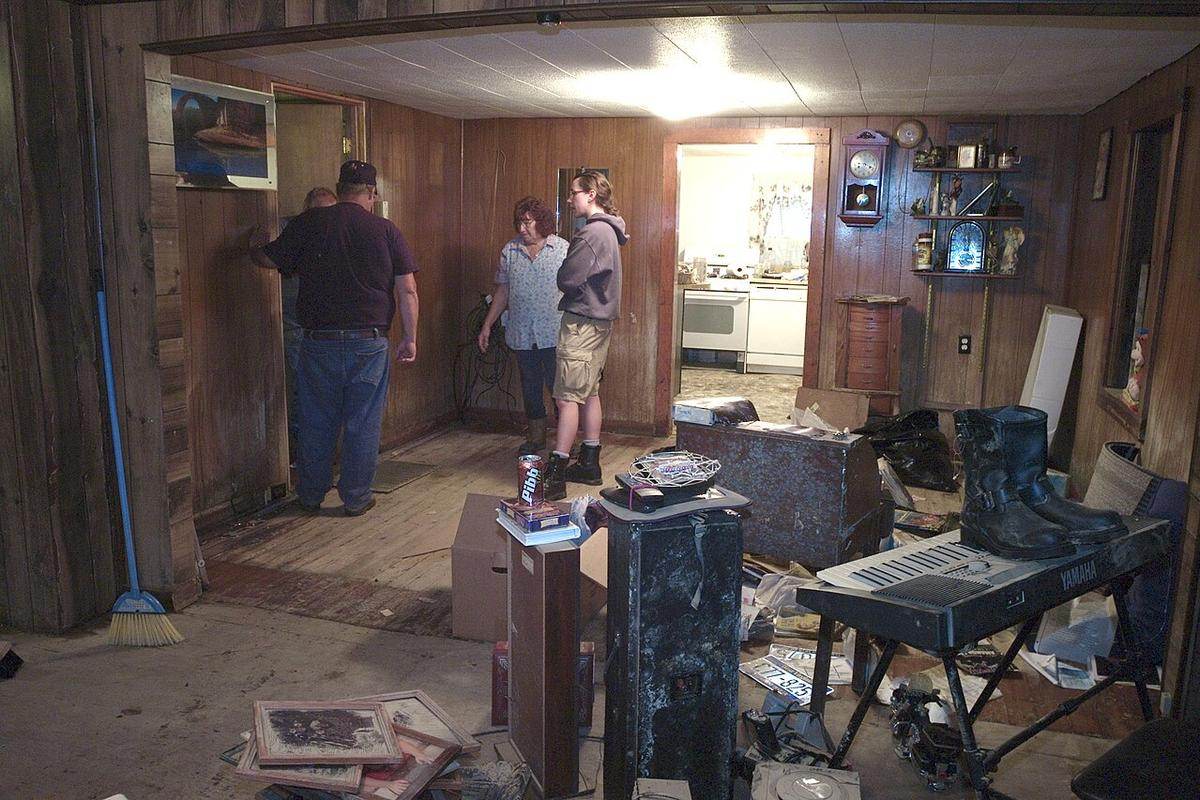
Elevate basement valuables. Items stored on the basement floor, documents, photographs, electronics, seasonal items, should be elevated onto shelving or platforms at least twelve inches above the floor.
Know your flood insurance status. If you do not carry flood insurance and your property has any flash flood exposure, purchase a policy now. The 30-day NFIP waiting period means the time to buy is before storm season.
During a Flash Flood Warning
Deploy barriers at grade-level openings. Shut off basement electrical circuits if flooding is likely. Move to higher ground in the home. Do not enter flood water, it may contain sewage, chemicals, and electrical hazards. Do not drive through flooded roads, six inches of moving water can knock you down; twelve inches can float your vehicle.
After a Flash Flood Event
Do not assume the property is safe. Flood water leaves contamination on every surface it contacted. Professional Category 3 extraction, material removal, decontamination, and drying are required. Contact your flood insurance provider. Document all damage with photographs before cleanup begins.
(918) 578-1166 for emergency flood response.
→ Flood Insurance Guide | → Sewage Cleanup | → Basement Cleanup

Reading about it is step one. Drying is step two.
If this article describes your house right now, call (918) 578-1166. We extract, dry, and document the loss, and the record we build is the one your insurer will ask for.
More From the Tulsa Water Damage Blog
Back to the Tulsa water damage blog index, the water damage restoration Tulsa OK home page, or emergency water damage restoration if water is active right now.
One call starts extraction and drying.
Talk to a Tulsa dispatcher now. You will get clear next steps and documentation from the first visit.