Tulsa, OK - 24/7 Emergency Service
Do I Need Flood Insurance in Oklahoma
Oklahoma floods in every season and your homeowners policy will not answer for it. This page covers zones, the NFIP, private flood options, and the waiting period, so the decision gets made on a dry day.
- When flood insurance is required and when it is your call
- FEMA flood zones and Tulsa County maps explained
- NFIP versus private flood insurance, and what each pays
- The 30 day waiting period and how to buy around it
Insurers pay for documented losses. Photos, moisture readings, and a clear drying log from the first day are what support a claim.
Oklahoma’s Flood Record: Why This State Asks the Question
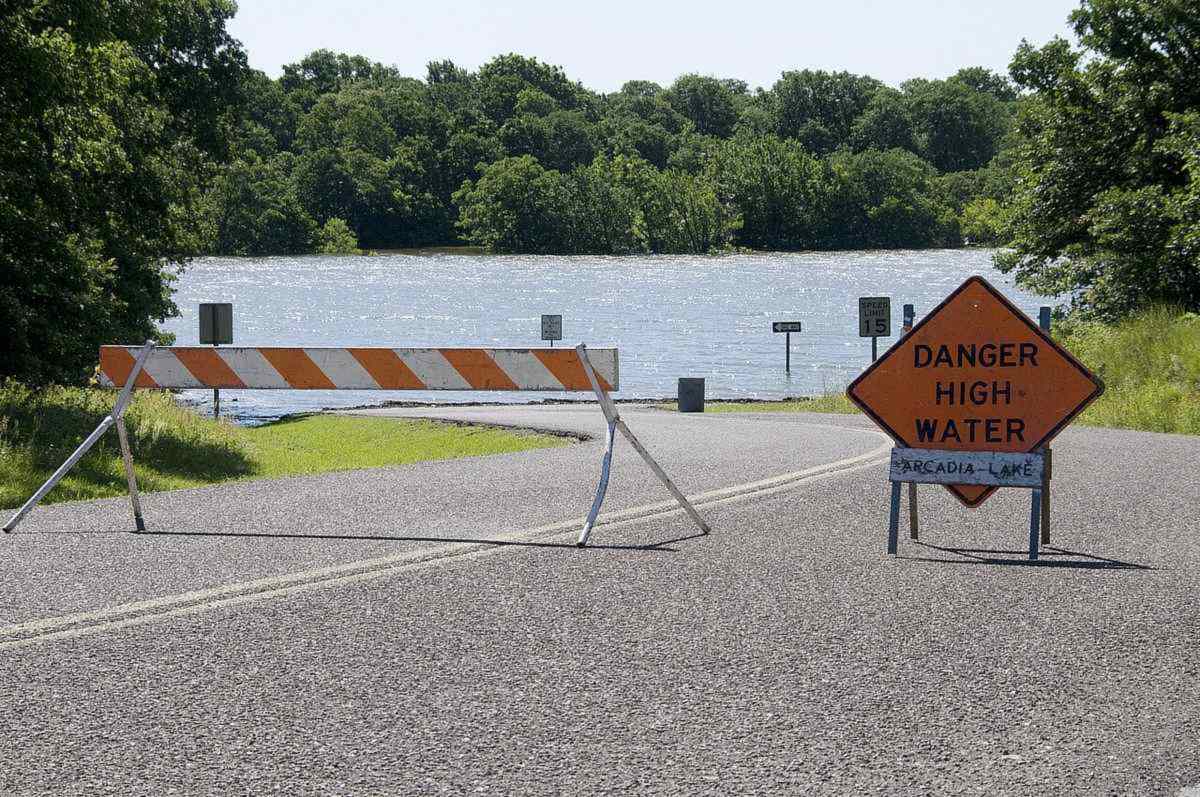
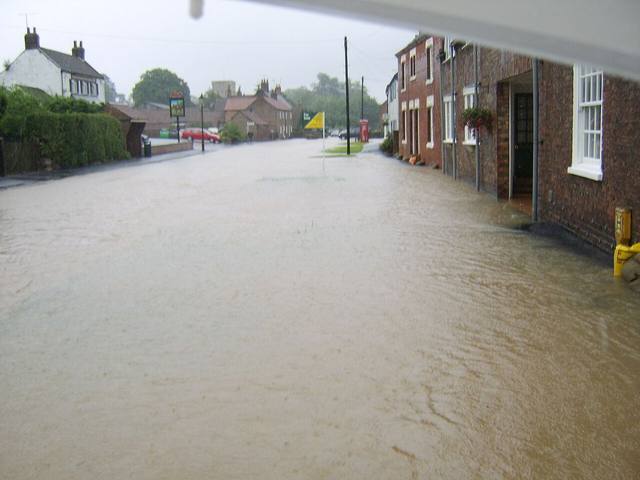
Oklahoma’s flood history is not a coastal footnote; it is the state’s most recurring disaster. River flooding along the Arkansas and its tributaries, flash flooding off saturated clay in spring storm season, and tropical remnants that stall and rain for days have produced federal disaster declarations across decades, with Tulsa County repeatedly in the footprint. The 2019 Arkansas River flood, when record releases met record rain, damaged homes across the Tulsa metro including neighborhoods whose owners had never priced a flood policy, and it remains the recent benchmark for how far water here can go.
The state’s geography loads the dice further. Expansive clay sheds water instead of absorbing it, so intense rain becomes runoff quickly. Creeks that are dry walking paths in August become the high water in May. Development adds roof and pavement that drain into systems sized for an earlier Tulsa. None of this means your home will flood; it means the question deserves your address, your elevation, and your map, not a general feeling about Oklahoma weather.
Flood Zones, Tulsa County Maps, and What Your Zone Really Says
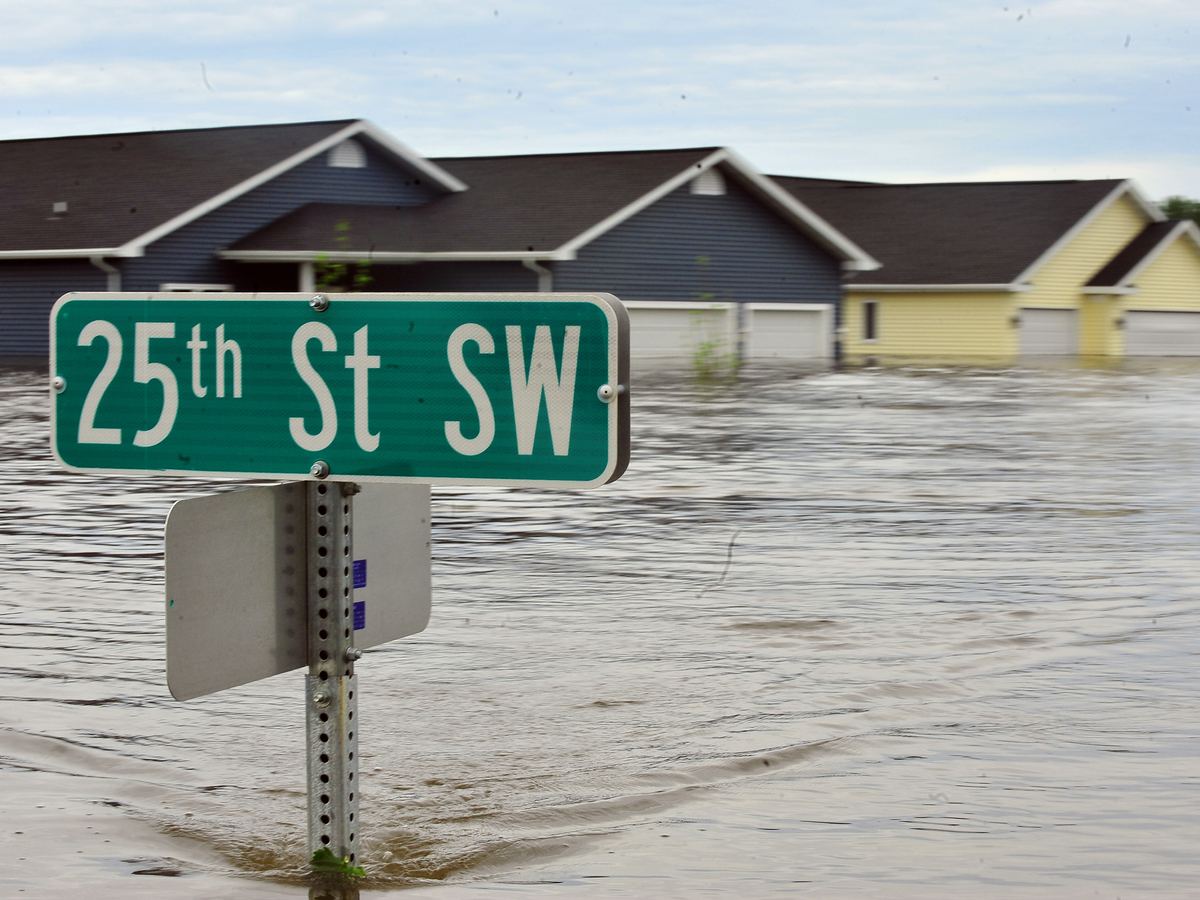
FEMA’s flood insurance rate maps divide Tulsa County into zones by modeled risk. The Special Flood Hazard Area, the zones beginning with A or V, marks the area with a one percent annual chance of flooding, the so called 100 year floodplain, where federally backed mortgages require flood insurance. The moderate and low risk zones outside it carry no mandate and cheaper premiums. Your zone is public information: the county and FEMA map services will show your address against the lines, and an insurance agent can pull your property’s data, including the elevation information modern NFIP pricing uses.
Read the map like an engineer, not a gambler. The zone line is a model boundary, not a water boundary: homes just outside the high risk line flood in real events, which is why a consistent share of NFIP claims nationally, often cited around a fifth to a quarter, come from outside the Special Flood Hazard Area. Flash flooding in particular respects drainage and low ground more than map colors. The zone decides your premium and your lender’s requirement. Your actual decision should weigh the zone, your lot’s drainage, your street’s history, and the distance to the nearest creek that has ever left its banks.
From Question to Coverage: The Buying Sequence
1. Find your zone and elevation
Look up your address on the FEMA or Tulsa County flood maps, and note your zone and any elevation certificate data your home has on file.
2. Confirm the gap in your current coverage
Read your homeowners policy’s flood exclusion for yourself, so the decision starts from a known zero rather than an assumption.
3. Get an NFIP quote from an agent
Any licensed agent can quote the federal program for your address, building only or building plus contents, with the deductible options priced.
4. Price a private flood policy for comparison
Private insurers write Oklahoma flood coverage that may differ in limits, waiting period, and living expense terms. Compare on what each pays, not only on premium.
5. Buy in the dry season
Let the waiting period, typically 30 days for NFIP, expire in a calm month. A policy bought in winter protects in May; one bought in May protects in June.
6. Pair the policy with physical prevention
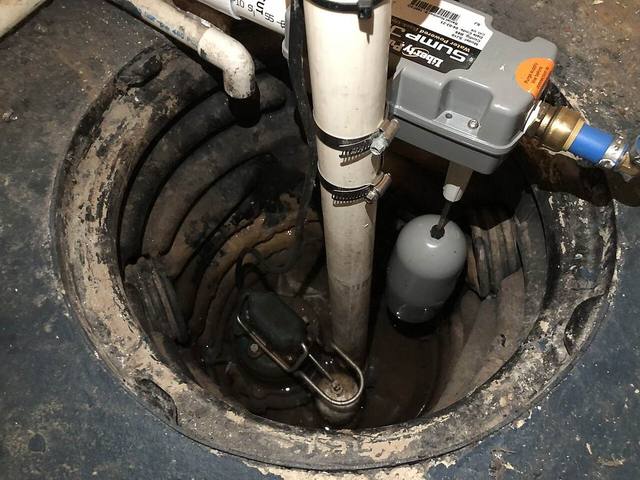
Grading, gutters, sump reliability, and drainage corrections shrink the loss the policy would have to answer for, and they work on the water no policy covers.
NFIP vs Private Flood Insurance: Comparing What Actually Pays
The NFIP is the baseline: federally backed, standardized, available at nearly any address in Tulsa County, with residential building coverage capped at program limits and contents elected separately. Its terms are uniform and its basement and living expense limitations are known quantities. Private flood insurance competes on flexibility: higher limits for higher value homes, sometimes additional living expense coverage, sometimes shorter waits, underwritten property by property, which means some addresses get attractive quotes and others get declined.
The comparison that matters is a table, not a slogan: building limit, contents limit, deductible, waiting period, basement treatment, living expenses, and premium, for your specific address. An agent who sells both shelves can lay that table out in one sitting. Whichever you choose, file the policy with your homeowners documents and tell your household it exists; a policy nobody can find during a disaster is a rumor, not coverage.
The Homeowner Outside the Zone: Making the Optional Decision Well
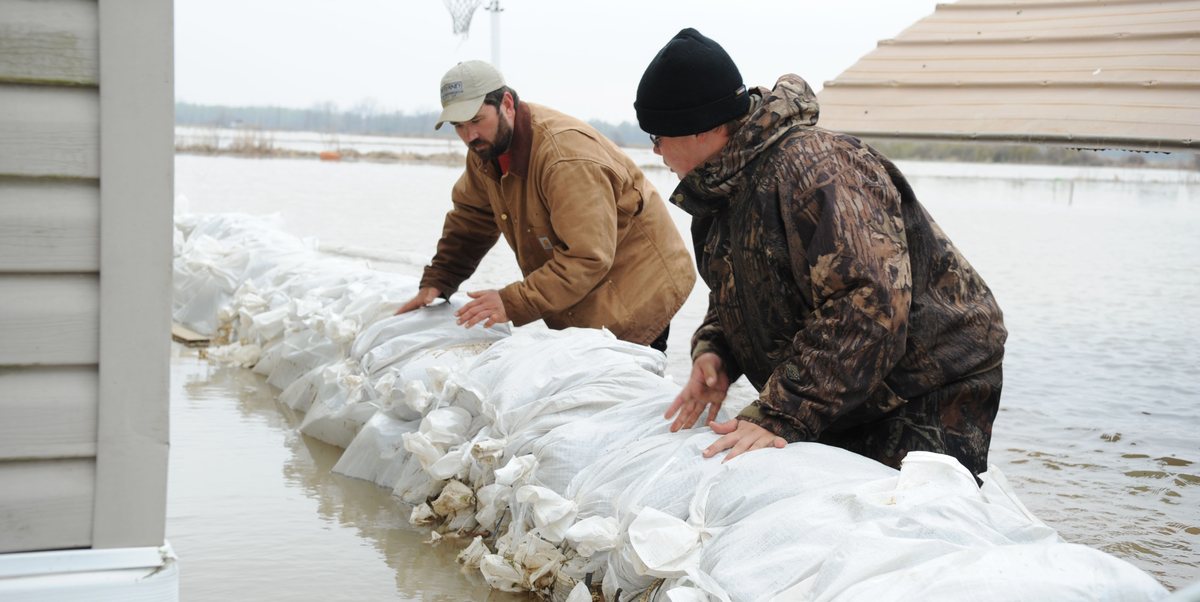
If no lender forces the question, the decision is an honest piece of arithmetic. On one side, an annual premium, lower outside the high risk zones because the modeled risk is lower. On the other, an excluded peril with five figure teeth: a foot of water through a Tulsa home produces mitigation, demolition, and rebuild numbers that start in the thousands and climb quickly, none of it answered by your homeowners policy, and disaster assistance, when it comes at all, is limited and often a loan. Many outside zone homeowners who buy describe it as sleeping insurance rather than expectation, and the 2019 event made converts of exactly this group.
Whatever you decide, decide it as a decision: priced, dated, and revisited when your property or the maps change. The worst flood insurance position in Oklahoma is not being uninsured by choice; it is being uninsured by assumption, believing a policy you have never read covers water it has always excluded. That discovery is available for free on a dry afternoon. This page’s only real request is that you make it then.
Sorting out damage and coverage in Tulsa?
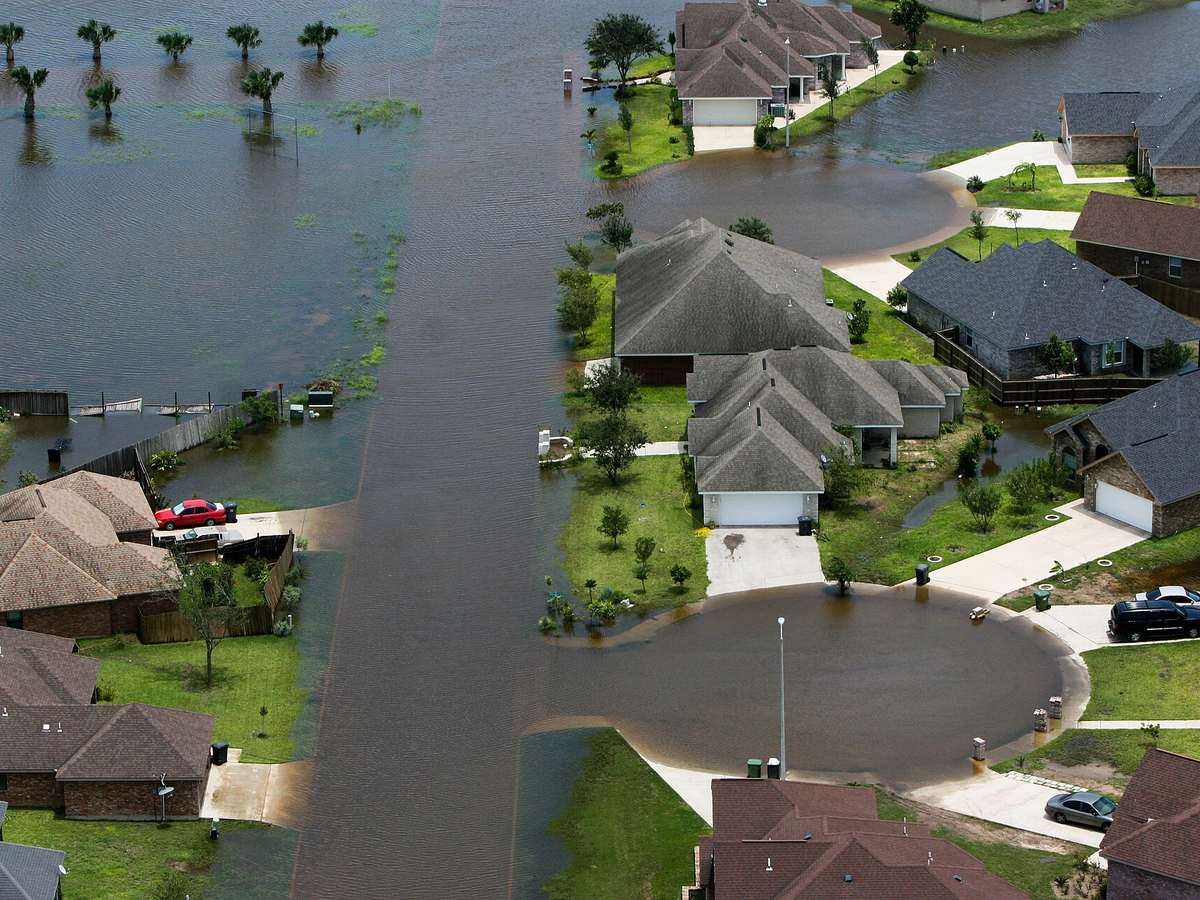
Call (918) 578-1166 for the water side of the problem. We document the loss fully, source, footprint, materials, and drying, so your claim file has a complete record to work from, whatever your policy covers.
Water Damage Causes These Pages Apply To
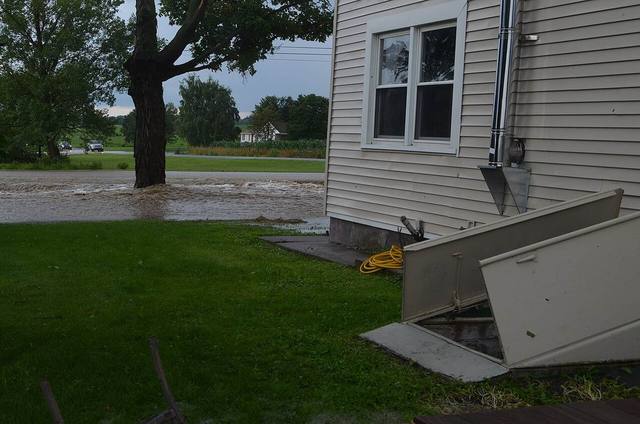
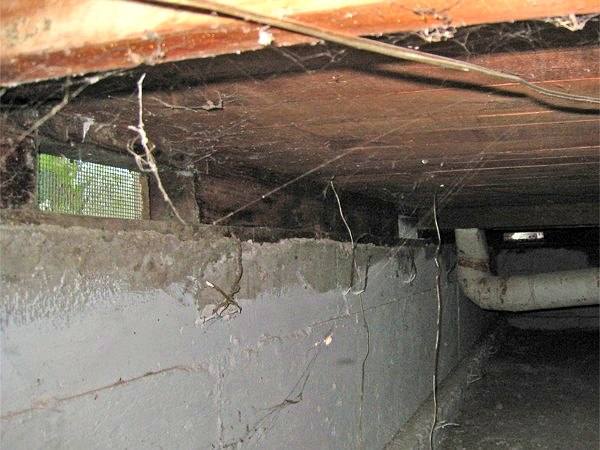
Flood insurance answers the losses on these pages: rising water in basements, crawl spaces, and foundations across Tulsa County.
Main Water Damage Services in Tulsa
Insurance questions follow the water, and the water work is the restoration sequence itself. These pages cover the emergency, residential, and commercial services these pages support.




More Insurance and Cost Pages

Return to the water damage restoration Tulsa OK home page for the full process, cause, mold, and insurance pages, or start with emergency water damage restoration if water is active right now.
Frequently Asked Questions
Is flood insurance required in Oklahoma?
It is required in one specific situation and a decision in all others. If your home sits in a FEMA mapped Special Flood Hazard Area and your mortgage is federally backed or regulated, your lender will require flood insurance as a condition of the loan. Outside the mapped high risk zones, or owning your home outright, the choice is yours. Oklahoma law does not impose a general flood insurance mandate on homeowners. That means a large share of Tulsa homeowners carry an unexamined gap: their homeowners policy excludes flood, no lender has forced the question, and the decision has never actually been made. This page exists so the decision gets made deliberately, either way.
How much does flood insurance cost?
General information only: NFIP pricing now follows its Risk Rating 2.0 system, which prices each property on its own flood characteristics, distance to water, elevation, replacement cost, and flood history, rather than zone alone, so two homes streets apart can price very differently. Policies for lower risk Oklahoma homes have historically run from a few hundred dollars a year upward, with high risk and low elevation properties higher, and private flood insurers sometimes price the same address differently. The only honest number for your home is a quote from an agent using your address and elevation data. Weigh it against the loss: flood damage is excluded from your homeowners policy, so the comparison is premium versus an uninsured five figure event, not premium versus zero risk.
What does flood insurance cover?
An NFIP policy covers the building and, as a separate election, its contents, against direct physical loss from a flood event as the program defines it. Building coverage addresses the structure, foundation, electrical and plumbing systems, appliances, and permanently installed fixtures; contents coverage addresses belongings, with important limitations, basement contents and improvements are restricted categories under NFIP rules, and additional living expenses while displaced are not part of the standard NFIP policy, a gap private flood products sometimes fill. Limits are capped by the program for residential policies. Every one of these terms has detail behind it, and the agent quoting you is the right source for how they apply to your address.
What is the 30 day waiting period?
Standard NFIP policies take effect 30 days after purchase, with narrow exceptions such as a purchase tied to a home closing. The waiting period exists so coverage cannot be bought against a forecast, and it is the single most operationally important fact about flood insurance: the time to buy is a clear week in the off season, not the week a storm system is crossing Texas toward Tulsa. Private flood policies may carry shorter waiting periods, which is worth asking an agent about if you are buying late. Put the purchase decision on your calendar for winter, and let storm season find it already in force.
Does flood insurance cover basement flooding?
Under NFIP rules, basement coverage is limited and specific: structural elements, foundation, and certain mechanicals and appliances are addressed, while most finished improvements and personal belongings in a basement are restricted or excluded. A sump failure or groundwater seepage that does not meet the program’s flood definition may not qualify at all, which is why basement water protection is a layered decision, homeowners endorsements for backup, flood policy for rising water, and physical prevention for everything. If your Tulsa home has a basement, read the NFIP basement limitations before you price the policy, not after the first claim conversation.
One call starts the cleanup and the paperwork.
Talk to a local Tulsa dispatcher now. You will get clear next steps, a real arrival plan, and documentation from the first visit.