Tulsa, OK - 24/7 Emergency Service
How to Protect Your Tulsa Home During Extended Power Outages
Extended power outages in Tulsa are a recurring consequence of the severe weather that defines Oklahoma. Ice storms coat power lines until infrastructure collapses. Thunderstorms topple utility poles. Tornadoes destroy substations. Each can leave neighborhoods without electricity for hours, days, or more than a week. For your home, an extended outage creates two simultaneous water damage threats: frozen pipes from loss of heat and basement flooding from sump pump failure. Both intensify the longer the outage continues. Both are entirely preventable.
These guides follow the same process used on Tulsa jobs: stop the source, extract, dry to measured goals, and document everything.
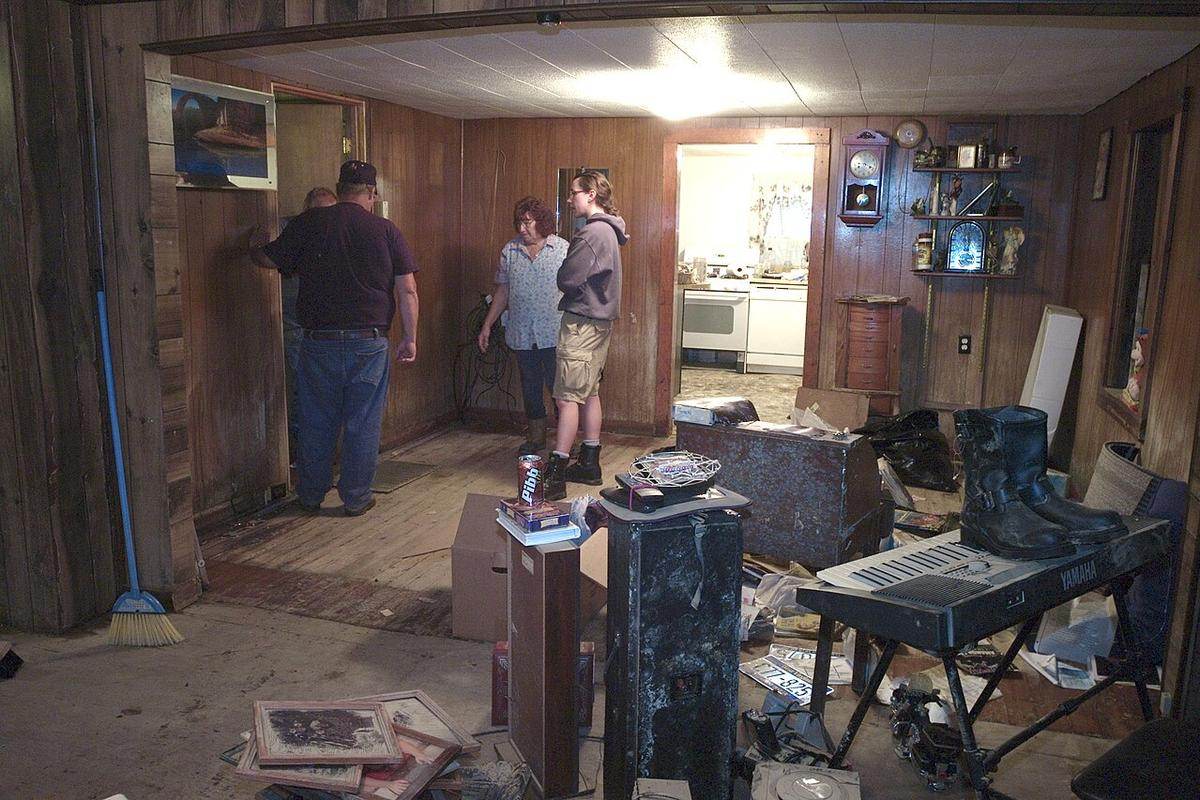
Threat 1: Frozen Pipes Without Heat
When the furnace stops, interior temperature drops toward outdoor temperature at a rate determined by insulation, thermal mass, and outdoor severity.
Hours 0-4: Interior drops toward 55-60°F. Pipes safe. Thermal mass buffers the decline.
Hours 4-8: Interior reaches 50-55°F in well-insulated homes. Pipes in attic, crawl space, exterior walls, and garage approaching risk.
Hours 8-16: Interior reaches 40-45°F. Pipes in all unheated spaces at freeze risk. Interior pipes on exterior walls approaching danger.
Hours 16-24+: Interior reaches or drops below freezing. Every pipe vulnerable.
The prevention decision: When power is lost during freezing conditions without backup heat, shut off the main water supply immediately. Drain the system by opening the lowest faucet. This eliminates the pressurized water that would flow through freeze cracks when pipes thaw.
This feels drastic, no running water for the duration. But multiple burst pipes releasing thousands of gallons when power returns is catastrophically more expensive.
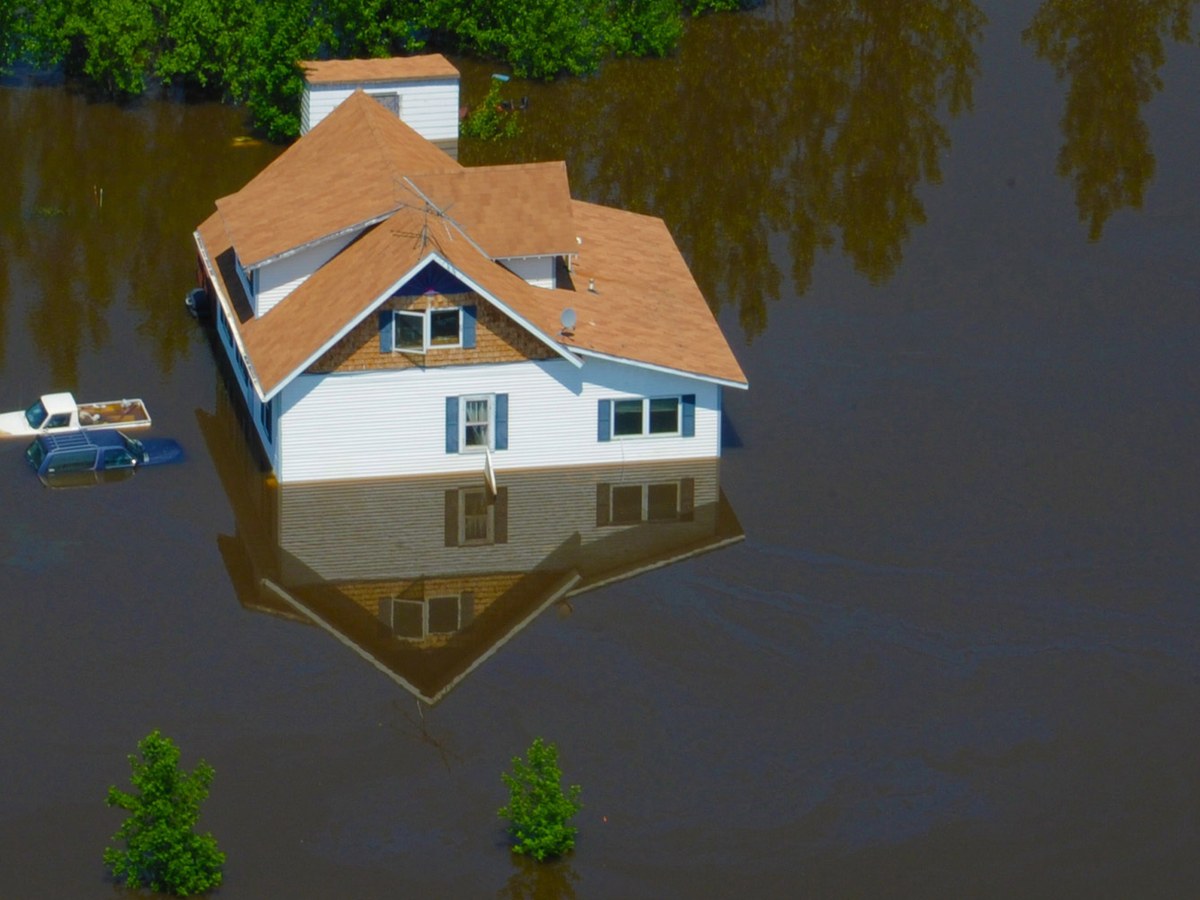
Threat 2: Basement Flooding Without Sump Pump
The same storms knocking out power often produce the heaviest rainfall driving groundwater into the sump pit at its highest rate. Without power, the pump sits idle. The pit fills. Water rises onto the floor.
The prevention: Battery backup sump pump. Activates automatically when the primary pump loses power. Provides 8 to 24 hours of capacity, often enough to bridge the outage. Cost: roughly $300 to $800 installed. Value: preventing a $5,000 to $15,000 basement flood.
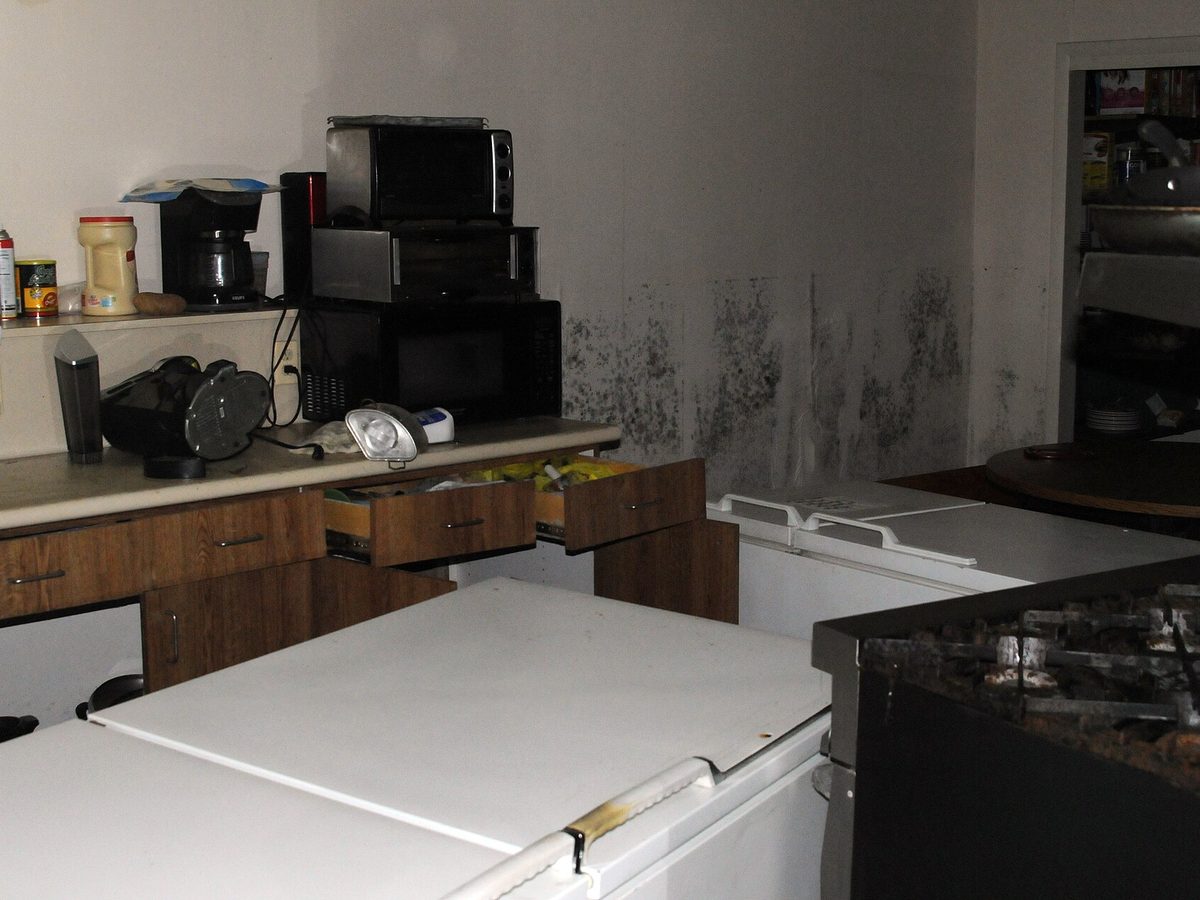
Threat 3: Refrigerator and Freezer Thaw
A refrigerator without power begins thawing. Water from melting ice overflows the drip tray and runs onto the kitchen floor. During multi-day outages, the volume can migrate under flooring. Place towels around the base. Keep doors closed.
The Generator Question
A portable generator powering the furnace blower and sump pump eliminates both threats simultaneously. Minimum size: 3,500 to 5,000 watts.
Critical safety: Never run a generator indoors, in the garage, or near windows. Position outside, at least 20 feet from any building opening, exhaust directed away.
Investment of roughly $500 to $1,500 pays for itself the first time it prevents a power-outage water damage event.
→ Ice Storm Pipe Burst | → Flooded Basement | → Sump Pump Failure
Reading about it is step one. Drying is step two.
If this article describes your house right now, call (918) 578-1166. We extract, dry, and document the loss, and the record we build is the one your insurer will ask for.
More From the Tulsa Water Damage Blog
Back to the Tulsa water damage blog index, the water damage restoration Tulsa OK home page, or emergency water damage restoration if water is active right now.
One call starts extraction and drying.
Talk to a Tulsa dispatcher now. You will get clear next steps and documentation from the first visit.