Tulsa, OK - 24/7 Emergency Service
Sump Pump Failure: The Number One Cause of Basement Flooding in Tulsa
Your sump pump is the one machine standing between your finished basement and thousands of dollars in flood damage. It sits in a hole in your basement floor, runs when it rains, and does its job so quietly that you forget it exists, until the storm that overwhelms it. When it fails, and every sump pump eventually fails, your basement floods.
These guides follow the same process used on Tulsa jobs: stop the source, extract, dry to measured goals, and document everything.
Why Sump Pumps Are Non-Negotiable in Tulsa
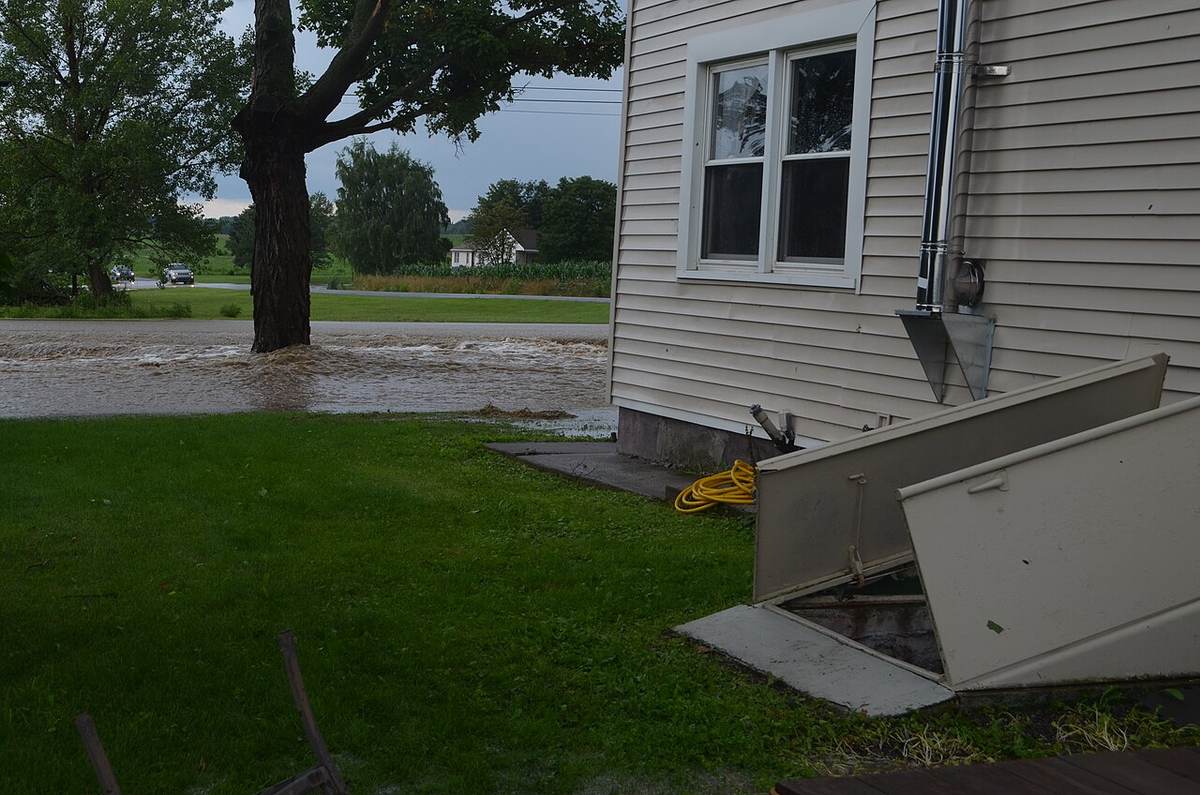
Every Tulsa home with a basement needs a sump pump because the city's geology makes below-grade water management mandatory. The expansive clay soil surrounding the foundation holds rainfall for weeks, generating hydrostatic pressure that pushes groundwater toward every opening in the foundation. The sump pump intercepts this water, collecting it in a pit below the basement floor through interior drainage channels, and pumps it out of the building.
Without the pump, the water table during wet periods would rise above the basement floor level. The basement would flood from the simple physics of water seeking its own level through the porous concrete and every crack the clay soil has created.
The sump pump runs most during the heaviest rain, the exact conditions most likely to cause the pump to fail.
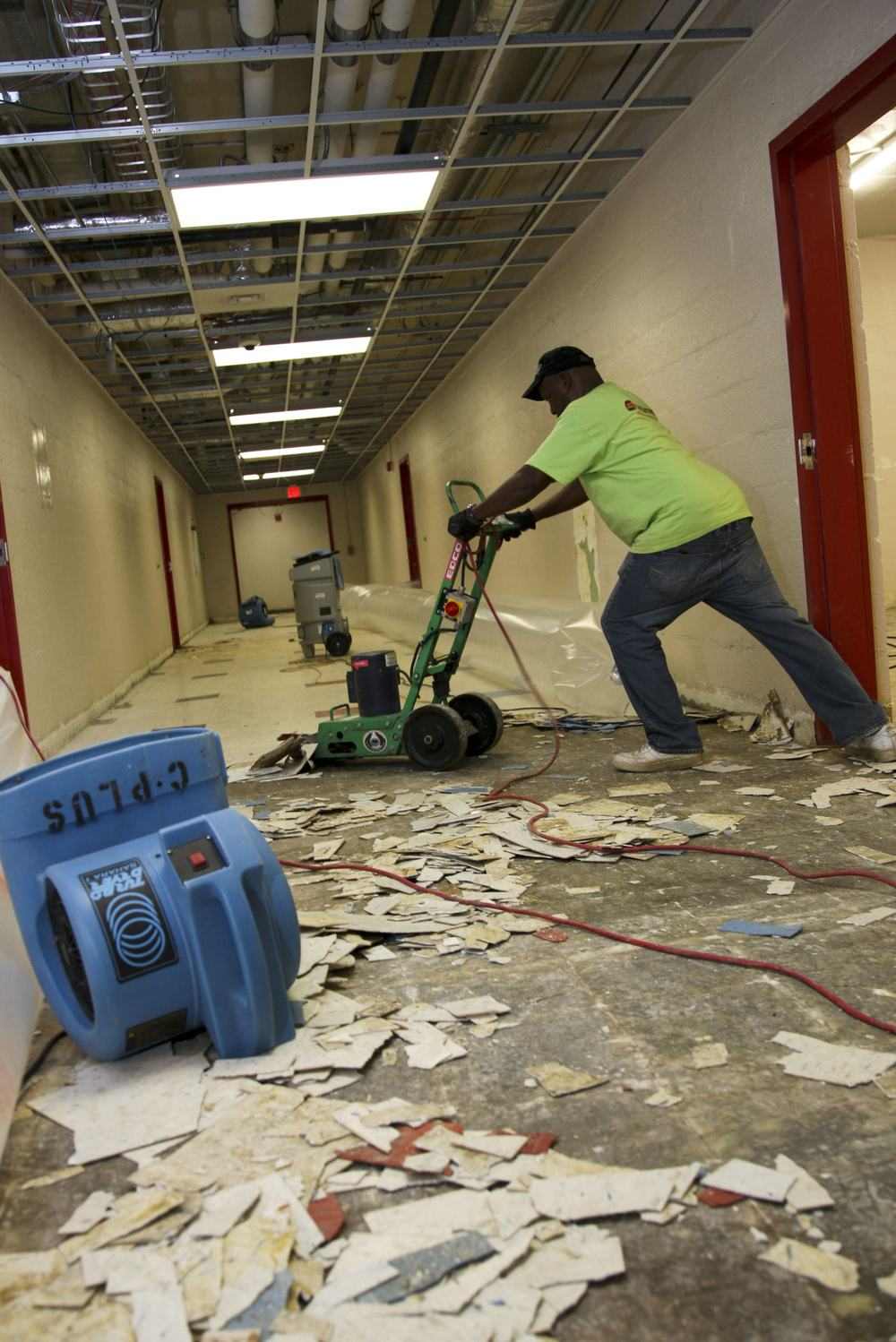
How Sump Pumps Fail
Power outage. The number one cause. The severe thunderstorms producing the heaviest rainfall also produce the lightning strikes, high winds, and falling trees that knock out power. When the power goes, the pump stops. The groundwater does not. Tulsa has experienced ice storm events with power outages lasting 24 to 72 hours.
Motor burnout. A motor running continuously during sustained heavy rain generates heat. Sediment, debris, and mineral deposits from Tulsa's hard water clog the impeller and increase the motor load. The pump overheats and the motor fails, often during the exact storm event where it is most needed.
Float switch malfunction. Float switches stick against the pit wall, tangle on the discharge pipe, or fail mechanically. A stuck float means the pump does not activate even as the pit fills and overflows.
Check valve failure. A failed check valve means the pump re-pumps the same water with every cycle, reducing effective capacity and increasing motor wear.
Overwhelmed capacity. Every pump has a rated capacity. During extreme rainfall events on Tulsa's clay, where runoff is rapid and groundwater rises fast, the inflow can exceed the pump's rating. The pump runs full speed but cannot keep pace.
Age. Sump pumps have a service life of roughly 7 to 10 years. A pump at 12 or 15 years is statistically overdue for failure, and that failure will occur during the highest-demand event.
Warning Signs Your Sump Pump Is About to Fail
Strange noises. Grinding, rattling, or continuous humming indicates bearing wear, impeller damage, or motor strain.
Frequent cycling. Rapid on-off cycling can indicate check valve failure or a float switch activating too easily.
Continuous running. Running nonstop even without heavy rain can indicate a high water table, a broken discharge line, or an undersized pump.
Visible rust or corrosion. Corrosion on the housing, float mechanism, or electrical connections.
No activation during known-wet conditions. If it rained heavily and your pump did not run, pour water into the pit to test.
How to Prevent Sump Pump Failure
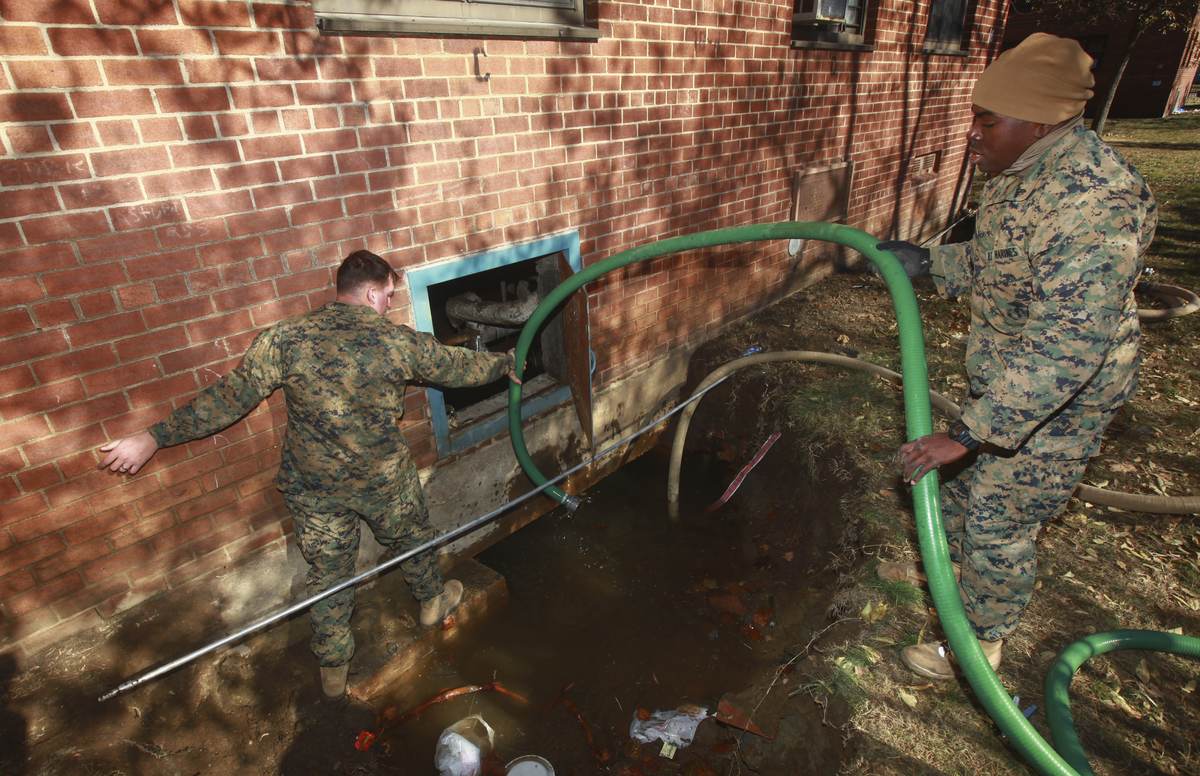
Test quarterly. Pour water into the pit until the float triggers. Confirm activation, operation, and discharge. Two minutes.
Replace proactively at 7-10 years. A planned replacement costs $200 to $600 installed. An emergency replacement during a flood, plus the cleanup, costs $5,000 to $15,000.
Install a battery backup pump. A battery-powered backup sits beside the primary pump and activates when power fails. Battery backup provides 8 to 24 hours of pumping capacity, often enough to bridge the power outage.
Install a water alarm. A battery-powered alarm in the pit set above the pump's activation point provides an alert when the pump is not keeping up.
Clear the discharge line annually. The pipe to the exterior can clog with sediment, freeze during winter, or become obstructed.
If your sump pump has failed and your basement is flooding, call (918) 578-1166 for emergency pump-out.
→ Flooded Basement Cleanup | → Basement Mold Removal | → Foundation Crack Intrusion
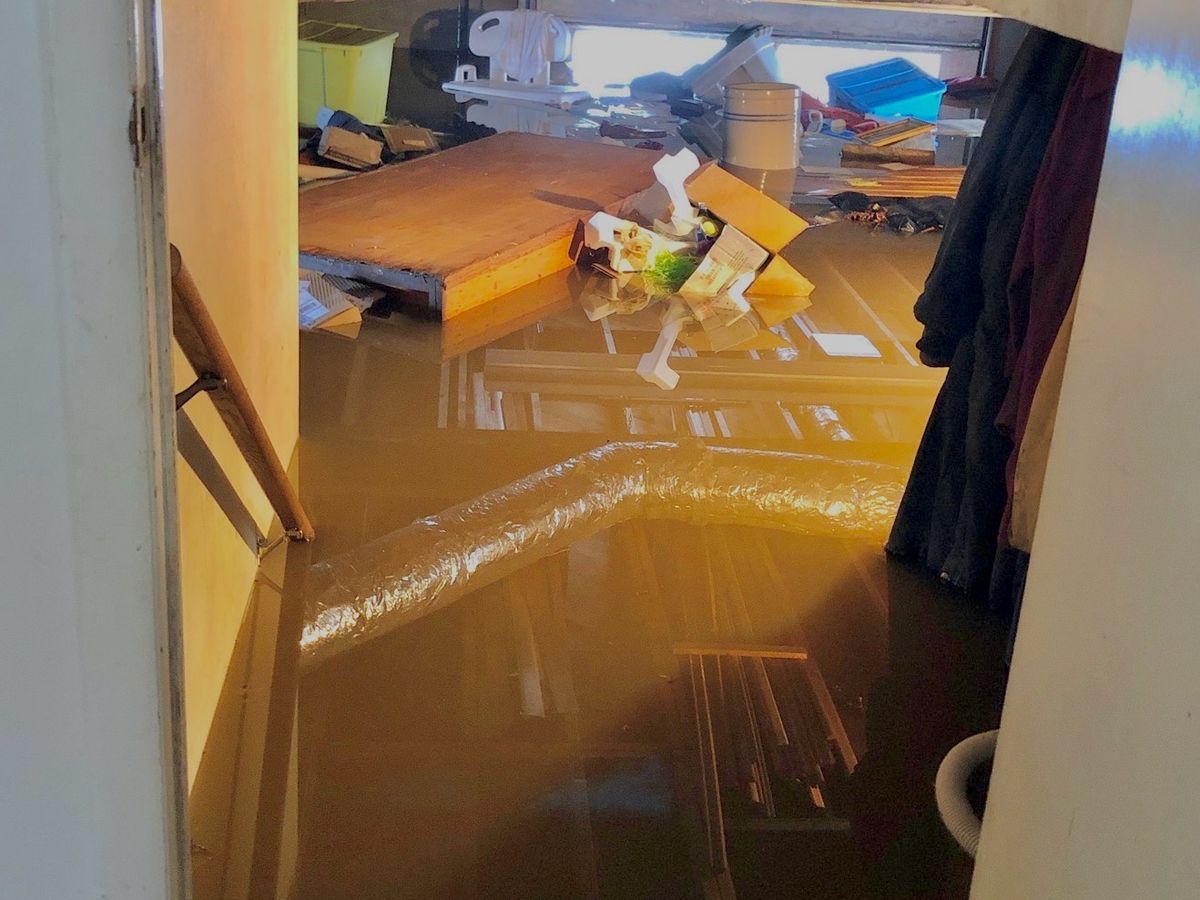
Reading about it is step one. Drying is step two.
If this article describes your house right now, call (918) 578-1166. We extract, dry, and document the loss, and the record we build is the one your insurer will ask for.
More From the Tulsa Water Damage Blog
Back to the Tulsa water damage blog index, the water damage restoration Tulsa OK home page, or emergency water damage restoration if water is active right now.
One call starts extraction and drying.
Talk to a Tulsa dispatcher now. You will get clear next steps and documentation from the first visit.