Tulsa, OK - 24/7 Emergency Service
Basement Mold Removal Tulsa OK
Tulsa basements fight moisture from the soil, the sky, and their own history. We remove the growth, read the walls for their water story, and correct the entries so the basement stays clean.
- Wall, framing, and contents assessment with moisture readings
- Efflorescence versus mold identified correctly
- Contained removal in finished and unfinished basements
- Drainage, sump, and humidity corrections in the same scope
In Tulsa humidity, mold can begin growing within 48 to 72 hours of a water loss. Drying to measured goals is what keeps a water job from becoming a mold job.
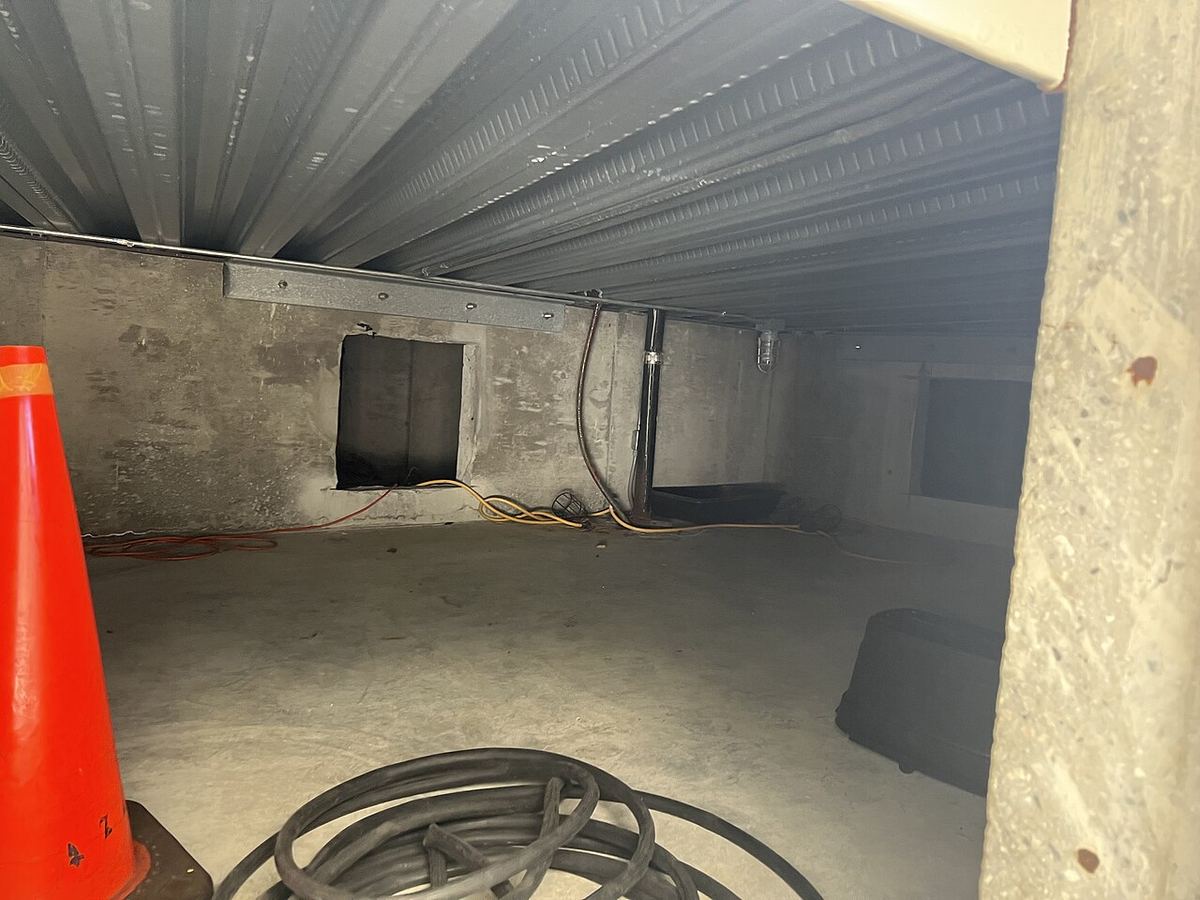
The Tulsa Basement Moisture Budget: Soil, Storms, and Cold Walls
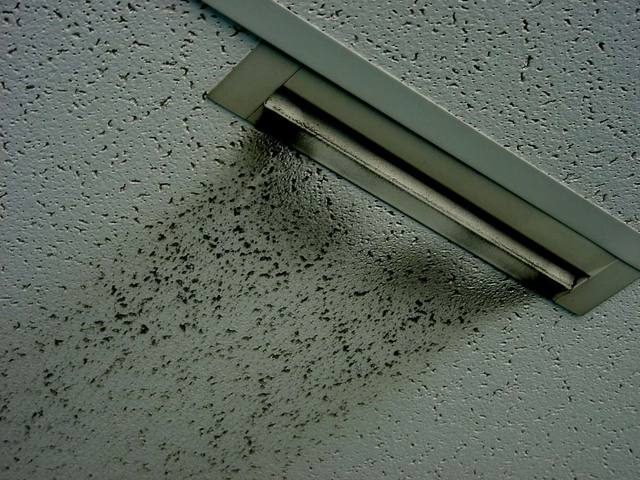
A basement is a concrete box pressed into wet clay, and Tulsa clay stays wet a long time. After spring storms the soil against the walls saturates and holds, pushing moisture through block and poured concrete by pressure and by vapor drive, entering visibly at cracks and the cove joint, and invisibly as humidity that raises the whole room’s moisture load. The walls themselves, cooled by the earth, sit below the dew point of summer indoor air, so humidity condenses on them and on the cold water lines and ducts that cross the ceiling.
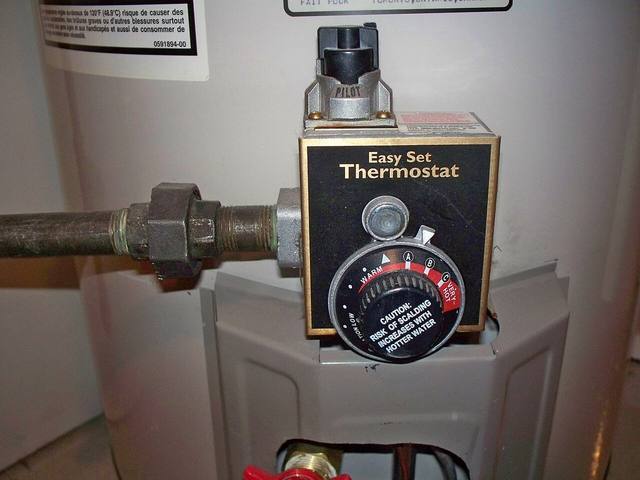
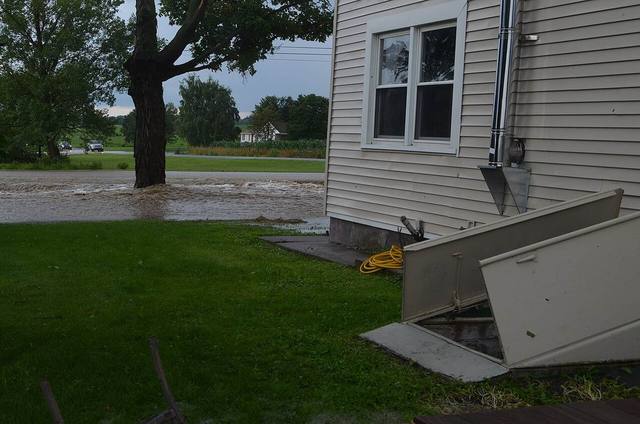
Onto that standing budget, most basements add events: the sump pump that failed in the big rain, the water heater that emptied itself at 2 AM, the window well that filled and poured in. Finished materials from any of those events, drywall, insulation, carpet, stored cardboard, become the food. Basement mold removal that ignores this budget, scrapes the wall, paints the stain, is why the same basement gets remediated twice. Ours starts by reading where your basement’s moisture actually comes from.
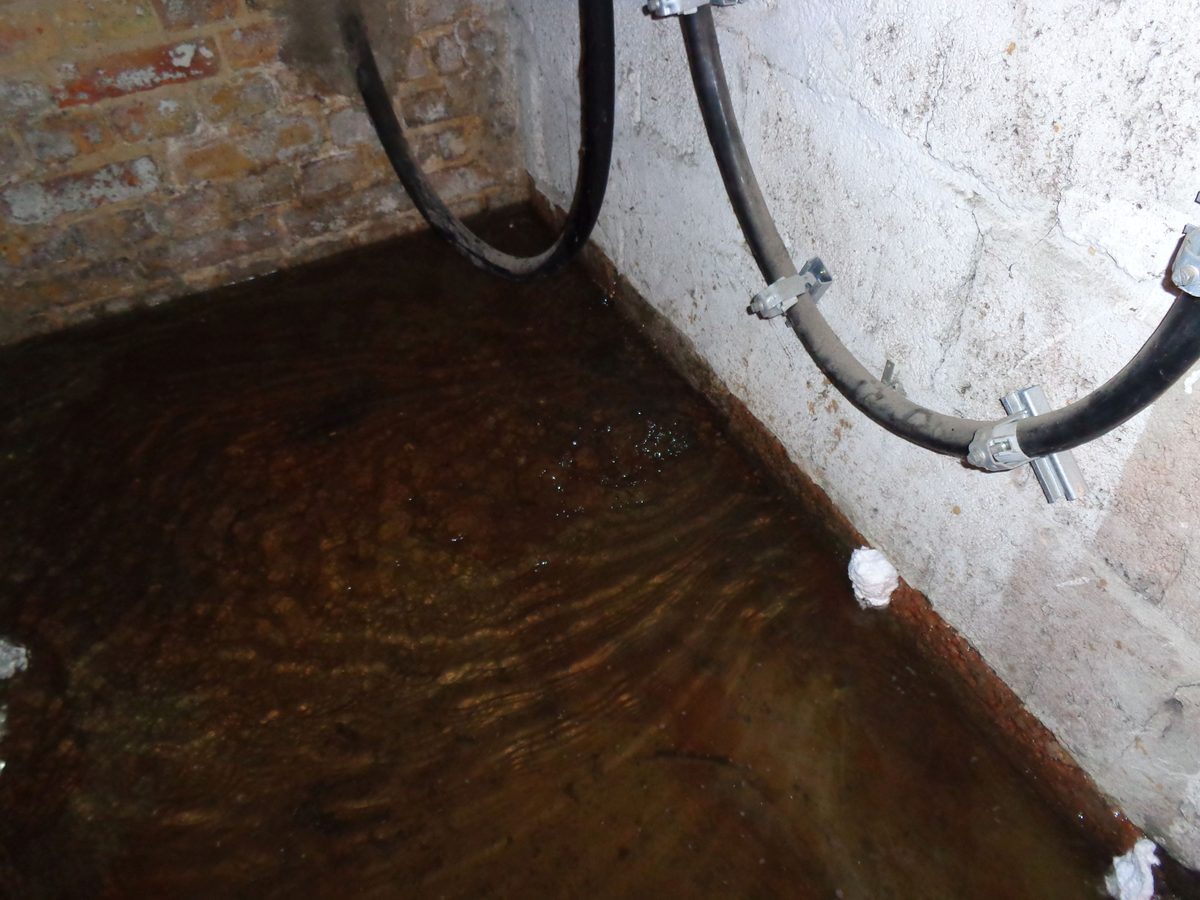
Efflorescence vs Mold: Reading the White Wall Correctly
The white crust on many Tulsa basement walls is efflorescence: mineral salts carried through the concrete by migrating water and left at the surface when it evaporates. It is powdery, crystalline, and it fizzes away under a wet brush. It is not alive and it is not mold. But it is not nothing, either. Efflorescence is proof of a working water path through the wall, and the finishes placed against that wall, furring strips, insulation, drywall, sit in the moisture that path delivers.
Mold, by contrast, grows on the surface food: the paper of drywall, wood framing, dust films, stored belongings. It can also be white, which is why identification at the assessment uses texture, behavior in water, and where necessary a surface sample, rather than a glance. The correction plan treats the two findings as a pair: clean the growth, and address the water migration the efflorescence is reporting, or the wall will keep issuing the same invitation.
Finished vs Unfinished Basements: Two Removal Projects
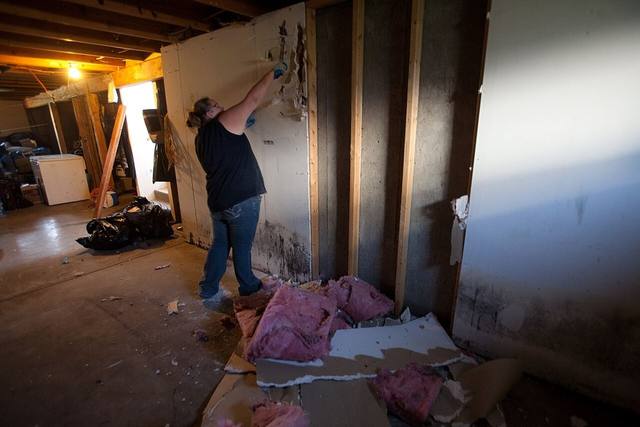
In an unfinished basement the work is visible and direct: growth on walls, framing, and stored contents is assessed in the open, affected materials are cleaned or removed, and the corrections, drainage, dehumidification, sump reliability, are mechanical and testable. In a finished basement the colony usually lives behind the finishes, on the back of drywall and the insulation against the cold wall, and the visible stain is the fraction that reached the room. Removal there is contained demolition: measured sections of wall opened inside containment, the cavity and framing cleaned, and the wall left open until readings verify dry before rebuild.
Contents deserve their own line in a basement scope. Cardboard storage at floor level is usually a loss after real growth; solid wood, metal, and hard plastic clean reliably; upholstered pieces and mattresses colonized in a damp basement are judged honestly item by item. The inventory and its verdicts are documented, which matters if an insurance claim touches any of it.
How the Work Proceeds, Step by Step
1. Assessment: moisture budget and growth map
Walls, framing, finishes, and contents are inspected; humidity, wall moisture, and the flooding and repair history are documented; suspect growth and efflorescence are identified.
2. Moisture correction plan
The entries are named: wall cracks and cove joint, grading and downspouts, window wells, sump performance, and indoor humidity, with the fixes sequenced before or alongside removal.
3. Containment of the work area
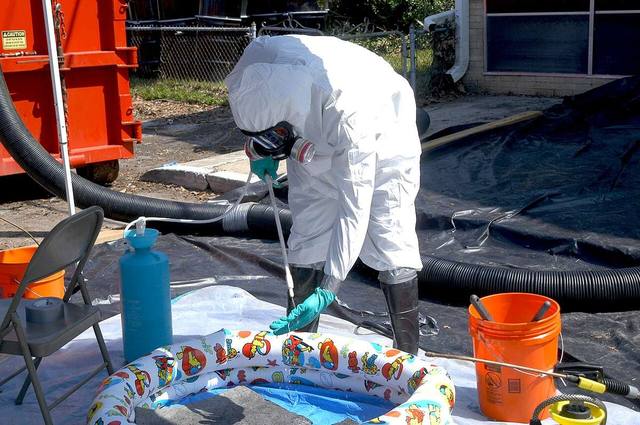
Finished areas are opened inside sealed containment under negative air; storage and mechanicals outside the zone are protected.
4. Removal and cleaning
Colonized porous finishes come out; concrete, block, and framing are HEPA vacuumed and cleaned, with abrasion where growth has anchored into wood.
5. Drying and humidity control
Walls and cavities are dried and read against dry standards, and a self draining dehumidifier is sized for the space where the budget calls for one.
6. Verification and rebuild readiness
Post remediation evaluation, with clearance sampling available, confirms the result; the file documents a dry, clean starting point for any refinishing.
After a Basement Flood: The Mold Chapter of the Same Story
A large share of basement mold traces to one night: the storm that overwhelmed the sump, the outage that stopped it, the water heater that failed. If the flood was pumped and the room dried by feel rather than by readings, the wall cavities and insulation kept a portion of that night, and the growth followed on schedule. Removal in these basements is paired with the entry diagnosis the original cleanup may have skipped: pump capacity and backup, check valve, discharge routing, and the wall and floor entry points the water used.
That pairing is what ends the cycle. A basement that floods, grows, gets cleaned, and floods again is not unlucky; it is undiagnosed. The documentation from this scope, depths, entries, readings, becomes the evidence a drainage or waterproofing decision can finally be made on.
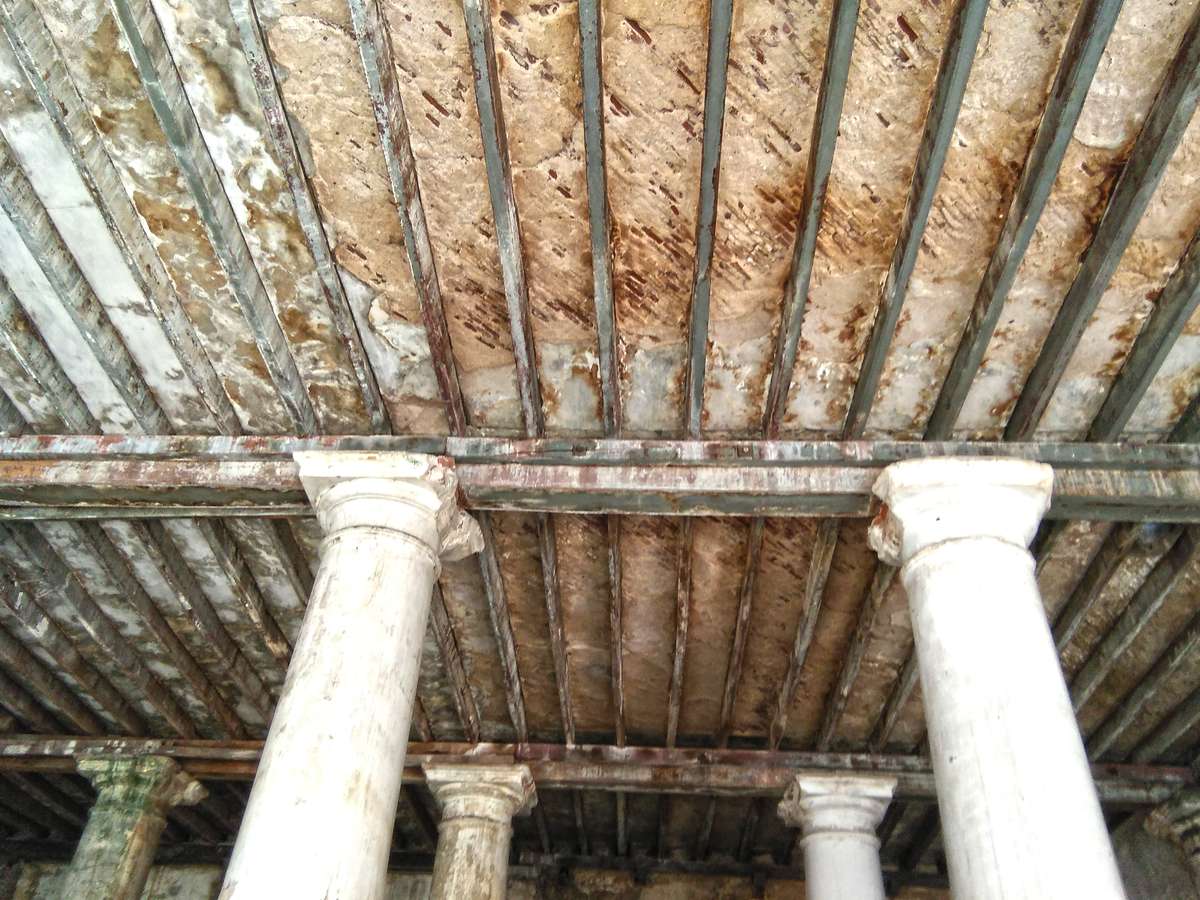
Finishing a Remediated Basement Without Rebuilding the Problem
A cleaned basement invites the finishing question, and the answer is yes with engineering respect. Keep the corrections in place, choose assemblies that tolerate the space: no paper faced materials tight against cold concrete without a moisture plan, insulation strategies that let the wall dry in at least one direction, flooring that survives a minor event, and plumbing access that does not require demolition to reach a valve. Build the sump and dehumidifier into the plan as appliances with service access, not as afterthoughts in a closet.
Then verify before you close: moisture readings on walls and framing at the end of a wet stretch are the green light, and the remediation file’s dry baseline is the comparison. A basement finished on evidence stays an asset. One finished on hope becomes the next removal scope with nicer materials in the debris bags.
Dealing with mold in Tulsa right now?
Call (918) 578-1166 and a local dispatcher will talk through what you are seeing, where the moisture is coming from, and the safest next step for your home or business in Tulsa County.
Water Damage Causes Behind Mold Problems
Basement mold is the sequel to basement water. These cause pages cover the floods, sump failures, and foundation entries behind most basement mold scopes.
Other Mold Services in Tulsa
Return to the water damage restoration Tulsa OK home page for the full process, cause, mold, and insurance pages, or start with emergency water damage restoration if water is active right now.
Frequently Asked Questions
Why does my Tulsa basement have mold?
Because basements here collect moisture from every direction and release it slowly. Tulsa clay soil saturates against basement walls and pushes water vapor, and sometimes liquid water, through concrete and block for weeks after rain. Summer humidity condenses on the cool below grade walls and on cold water lines and ductwork. Most basements also carry a flooding history, a storm event, a sump failure, a water heater that let go, whose materials never fully dried behind the finishes. Mold is what grows on that moisture budget. The assessment reads which of those sources your basement is running, because each one has a different correction.
Can I finish my basement after mold removal?
Yes, and a remediated basement is the right starting point for finishing, provided two conditions are honest: the moisture sources are corrected, and the new finishes respect the space. Finishing over an uncorrected water entry rebuilds the problem behind new drywall, so the sequence is remediate, correct drainage and entry points, verify dry readings through a wet season where possible, then build. In the build, flood tolerant choices low on the walls, proper insulation that does not trap moisture against cold concrete, and access panels at plumbing make the finished basement resilient instead of fragile. The remediation file documents the dry starting point your finishes deserve.
How do I keep mold from coming back in my basement?
Hold the moisture budget down. Keep indoor basement humidity in a normal range with a properly sized dehumidifier that drains itself, maintain gutters, grading, and downspout extensions so roof water never ponds at the walls, service the sump pump and its backup, and treat any new water event, however small, as a dry it now task rather than a watch it task. Then verify: a couple of humidity and spot moisture readings across the summer tell you the corrections are holding. Mold returns to basements that re-wet; basements that stay dry stay clean.
What is the white fuzzy stuff on my basement wall: mold or efflorescence?
Often it is efflorescence, and the distinction matters because the answers differ. Efflorescence is mineral salt left behind as water migrates through concrete and evaporates: it is white or light gray, crystalline and powdery, and it dissolves in water. Mold is a living growth that sits on a surface, comes in varied colors including white, and smears rather than dissolves. Efflorescence is not mold, but it is a moisture report card: it proves water is moving through the wall, which is the condition that also grows mold on the finishes against that wall. An assessment identifies which you have, and reads the efflorescence as the drainage clue it is.
How much does basement mold removal cost?
General information only: the scope drivers are the area of wall and framing affected, whether the basement is finished, finished walls mean contained demolition and rebuild sequencing, whether contents and storage are involved, and how much of the project is moisture correction, drainage, sump work, dehumidification, versus removal itself. A small area of surface growth on an unfinished wall and a finished basement with growth behind two walls are different projects. The written estimate follows the assessment and separates removal from correction, so you can see what keeps it from coming back costs versus what takes it away.
One call starts the assessment.
Talk to a local Tulsa dispatcher now. You will get clear next steps, a real arrival plan, and documentation from the first visit.