Tulsa, OK - 24/7 Emergency Service
Tornado Season Water Damage Preparedness for Tulsa Homeowners
March is coming. The Gulf moisture is building. The jet stream is shifting south. And the same atmospheric collision that makes Oklahoma Tornado Alley is about to start testing every roof, every window, every drain, and every foundation in Tulsa. The time to prepare is now, not when the first watch is issued.
These guides follow the same process used on Tulsa jobs: stop the source, extract, dry to measured goals, and document everything.
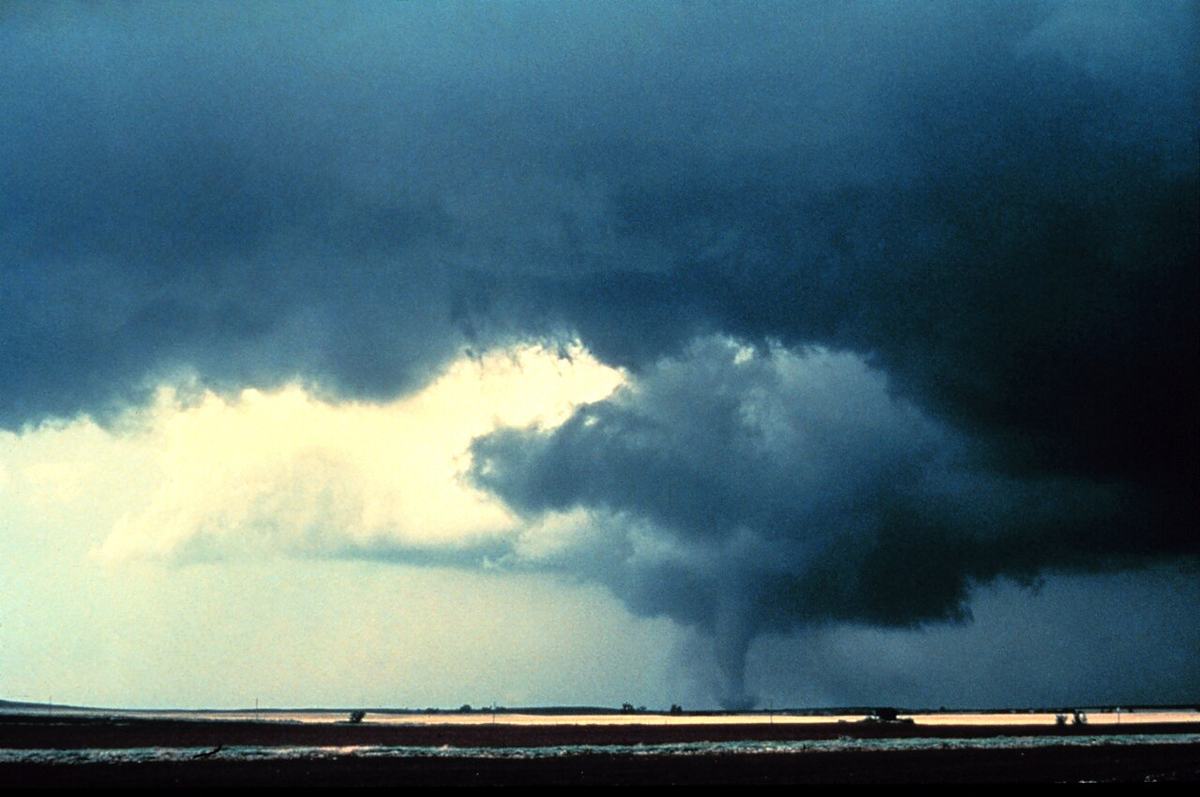
What Tornado Season Means for Your Tulsa Property
Tornado season in Tulsa runs from March through June, with the peak in April and May. But the risk to your property is not limited to tornadoes, the supercell thunderstorms that produce tornadoes also produce the hail, straight-line winds, and extreme rainfall that cause the majority of storm-related water damage.
A single severe storm system can produce all of the following within the same hour across the Tulsa metro: hail from quarter-size to baseball-size that damages or destroys roofing material. Straight-line winds exceeding 60 mph that lift shingles, break windows, and peel siding. Rainfall rates exceeding two inches per hour that overwhelm stormwater drainage and produce flash flooding. And tornadoes that cause catastrophic structural damage.
The property that survives storm season without water damage is the property that was prepared before the season started.
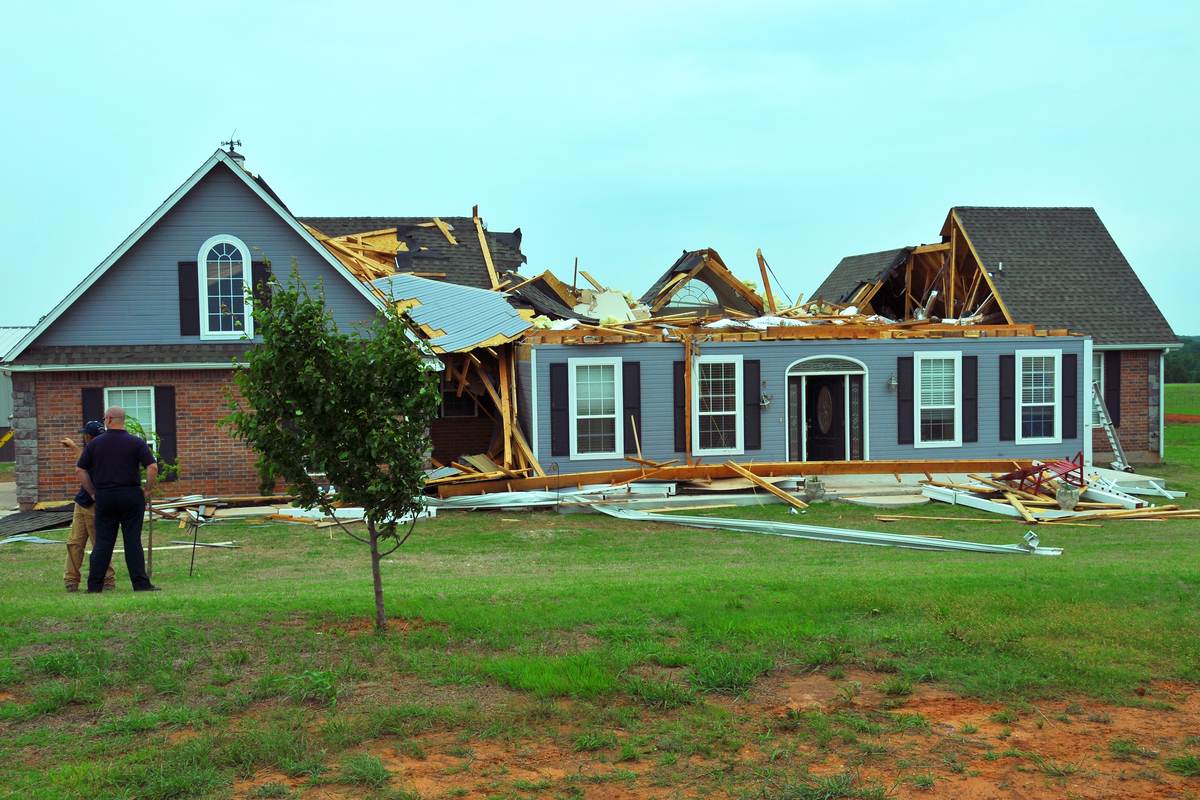
Pre-Season Checklist for Tulsa Homeowners
Roof Inspection
Have your roof inspected by a qualified roofing professional before storm season. The inspection identifies missing or damaged shingles from last season, compromised flashing at chimneys, skylights, and roof-to-wall transitions, deteriorated underlayment beneath the shingles, worn or failed boot seals at plumbing vent penetrations, and ridge vent, soffit vent, or gable vent damage that could admit wind-driven rain.
Gutter and Drainage Maintenance
Clean all gutters and downspouts of debris accumulated over winter. Confirm that downspouts discharge at least four feet from the foundation. Check that gutter joints are sealed and that the gutters are properly pitched toward the downspouts. Clear any debris from surface drainage channels, window well drains, and French drain access points.
Sump Pump Testing
Pour water into the sump pit until the float triggers the pump. Confirm that the pump activates, runs, and discharges water through the exit line. If the pump is older than 7 years, consider replacement before storm season. If you do not have a battery backup sump pump, install one, the storms that produce the heaviest rain also produce the power outages that disable electric pumps.
Foundation Inspection
Walk the exterior of your foundation and inspect for new or widening cracks, separation at the wall-footer junction, and areas where grading has settled and is directing water toward the foundation.
Insurance Review
Confirm your homeowners policy is current and review the coverage limits. Confirm whether you have a sewer backup endorsement, if not, add one before storm season. Determine whether your property would benefit from flood insurance, and remember that NFIP policies have a 30-day waiting period, so purchasing in March is necessary for April coverage.
Document Your Property
Take dated photographs of your roof, your interior spaces, your basement, and your valuables before storm season. These pre-storm photos establish the baseline condition that supports insurance claims for any storm damage that occurs.
During Storm Season
Monitor weather alerts actively. Subscribe to NWS alerts for Tulsa County. Know the difference between a watch (conditions favorable) and a warning (severe weather is occurring or imminent).
When severe storms are forecast: deploy sandbags at vulnerable entry points, close all windows and exterior doors, confirm sump pump operation, move basement valuables above potential flood level, and charge mobile devices in case of power outage.
After any severe storm: inspect the roof from the ground for visible damage, check the attic for evidence of water entry, check the basement for water entry, and document any damage with photographs before cleanup begins.
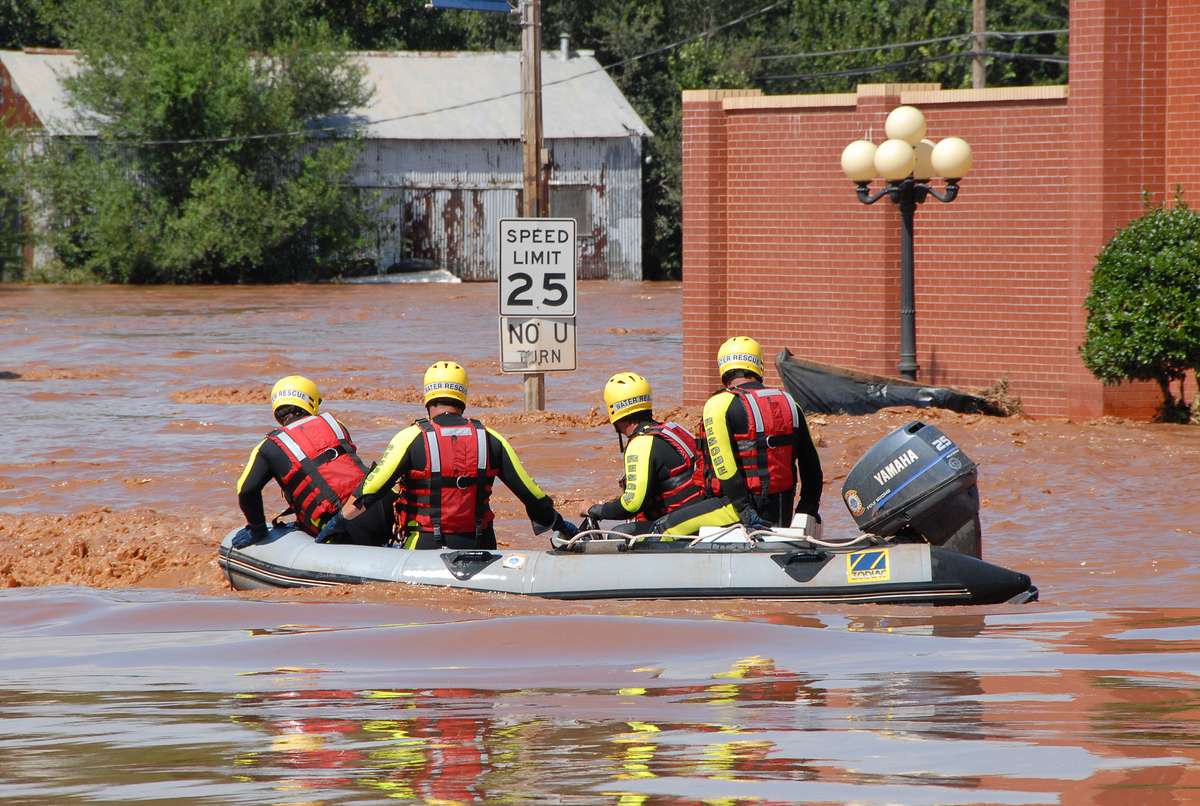
After Storm Damage Occurs
Do not delay. Storm damage that admits water into the building creates a restoration timeline measured in hours, not days. The faster the building is weather-secured and the faster water is extracted, the smaller the damage scope and the lower the restoration cost.
If your Tulsa property has experienced storm water damage, call (918) 578-1166 for immediate response.
→ Storm & Tornado Damage | → Roof Leak Damage | → Insurance Guide

Reading about it is step one. Drying is step two.
If this article describes your house right now, call (918) 578-1166. We extract, dry, and document the loss, and the record we build is the one your insurer will ask for.
More From the Tulsa Water Damage Blog
Back to the Tulsa water damage blog index, the water damage restoration Tulsa OK home page, or emergency water damage restoration if water is active right now.
One call starts extraction and drying.
Talk to a Tulsa dispatcher now. You will get clear next steps and documentation from the first visit.