Tulsa, OK - 24/7 Emergency Service
How Tulsa's Clay Soil Causes Foundation Water Problems
The ground beneath your Tulsa home is not stable. It is not neutral. It is actively working against your foundation every time it rains and every time it dries out. If you own a home in Tulsa, any home, any age, any neighborhood, the clay soil beneath it is the single most important factor in understanding why water gets into your property.
These guides follow the same process used on Tulsa jobs: stop the source, extract, dry to measured goals, and document everything.
The Geological Adversary Beneath Every Tulsa Foundation
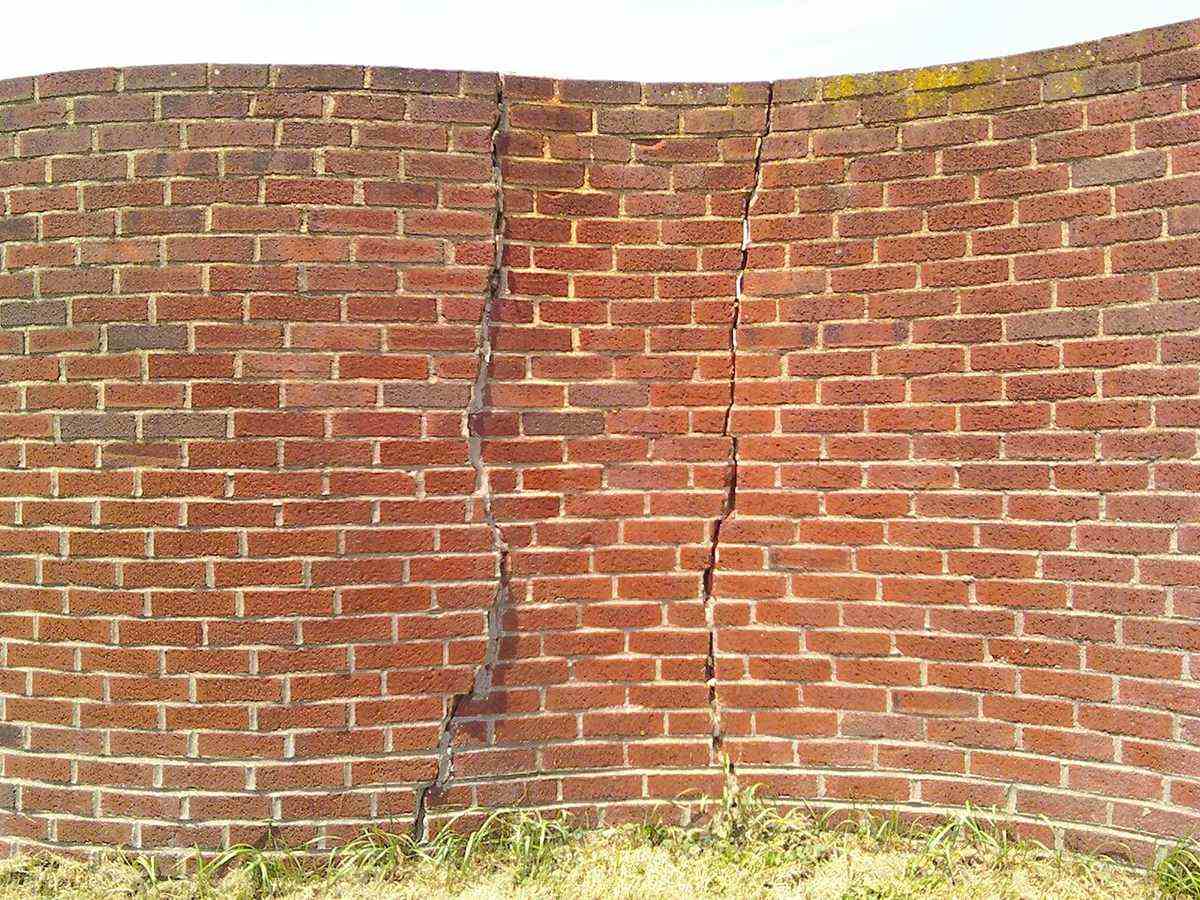
Every foundation in Tulsa sits on expansive clay soil. The clay absorbs water, swells with enough force to crack concrete, contracts during dry periods and pulls away from the foundation, and repeats this cycle with every significant change in soil moisture content, which in Oklahoma means several times per year.
This is not a theory or a worst-case scenario. It is a measurable, documented, ongoing process that affects every structure built on Tulsa's clay from the day the foundation is poured until the day the building is demolished. The soils in Northeast Oklahoma have been studied and tested by geotechnical engineers, foundation repair companies, and the Oklahoma Geological Survey. The conclusion is unanimous: Tulsa's clay is among the most challenging foundation substrates in the United States.
What Expansive Clay Does to Your Foundation
When It Rains: The Soil Swells
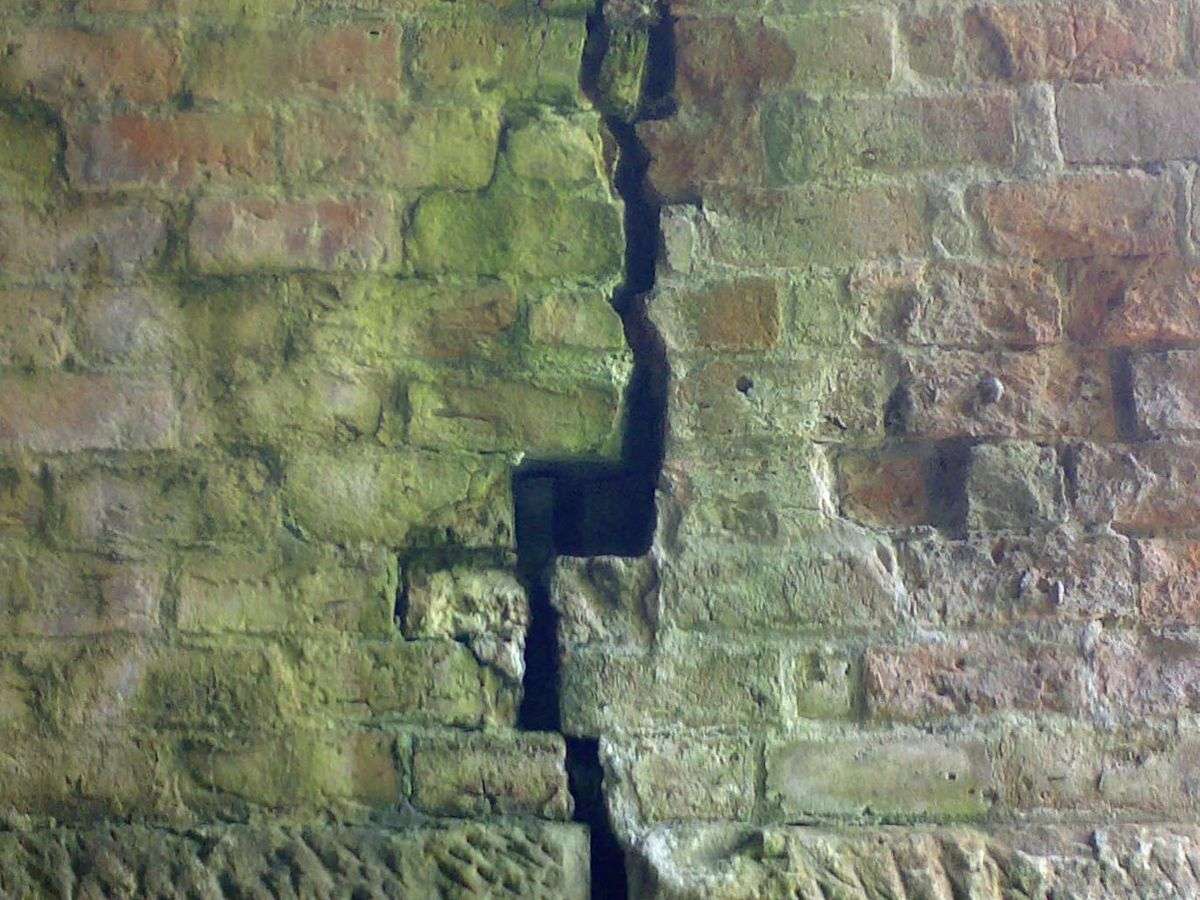
Water saturates the clay surrounding your foundation. The clay minerals, primarily montmorillonite and illite in the Tulsa area, absorb water between their molecular layers and expand. The volume increase can reach 10% or more from dry to fully saturated. This expansion generates lateral pressure against basement walls, upward pressure beneath slab foundations, and differential pressure where one side of the foundation is wetter than the other.
The pressure is immense. Saturated clay pressing against a basement wall generates forces measured in hundreds of pounds per square foot. Poured concrete is strong in compression but vulnerable to the sustained lateral pressure that swelling clay produces. Over years and decades of seasonal swelling, the concrete yields. Vertical cracks appear first. Horizontal cracks in block walls follow. The cold joint between the wall and the footer separates. Pipe and conduit penetrations lose their seal.
Each of these cracks becomes a permanent water entry point. The clay created the cracks. The clay then pushes water through them.
When It Dries: The Soil Contracts
During Tulsa's hot summers and during drought periods, the clay loses moisture and contracts. This contraction pulls the soil away from the foundation wall, creating voids and channels between the soil and the concrete. These voids fill with air, debris, and loose soil, material that does not exert the uniform pressure that the original undisturbed clay provided.
When the next rain arrives, water flows through these voids and channels directly along the foundation surface. Rather than being distributed evenly across the soil mass, the water is channeled to the lowest points, the footer, the floor-wall junction, and any existing cracks. The concentrated water flow is far more destructive than the distributed moisture of undisturbed soil.
The Cycle Repeats
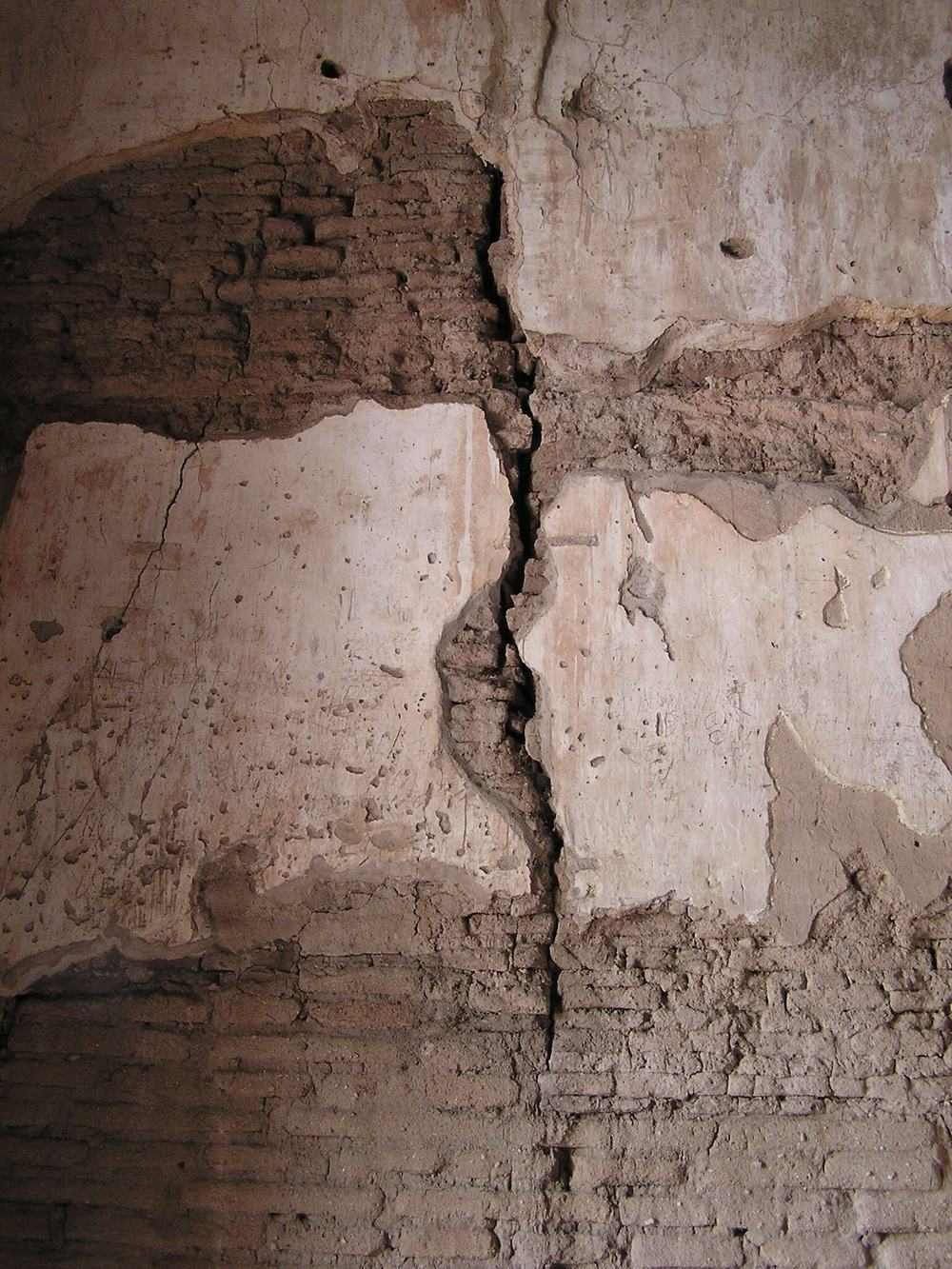
Every wet-dry cycle widens existing cracks slightly. Every cycle creates new stress points where the soil pressure is concentrated. The foundation that was uniform and sealed when it was poured has spent decades being worked by forces it was not designed to resist indefinitely.
How This Creates Water Damage in Your Tulsa Home
Basement water entry. Hydrostatic pressure from saturated clay pushes water through every flaw in the basement wall, cracks, the cold joint, pipe penetrations, and even the porous concrete itself through vapor transmission.
Slab movement and cracking. Slab-on-grade foundations rise and fall with soil moisture content. The center remains stable while the perimeter moves with the soil. This differential movement cracks the slab, creating pathways for sub-slab moisture to reach the flooring above.
Crawl space moisture amplification. The clay soil beneath crawl spaces holds moisture that evaporates upward into the crawl space cavity. After heavy rain, the soil surface in a Tulsa crawl space releases significant moisture vapor for weeks.
Foundation-grade water channeling. When landscape grading settles or erodes, surface water flows toward the foundation. On clay soil, this water does not percolate downward, it sits against the foundation, saturates the adjacent clay, and generates the pressure that pushes water inside.
What You Can Do About Tulsa's Clay Soil
Maintain consistent soil moisture around the foundation. The damage comes from the expansion-contraction cycle, from the change in moisture content. During extended dry periods, soaker hoses around the foundation perimeter running at low volume for 30 minutes every few days prevent the extreme contraction that creates voids and channels.
Maintain landscape grading. The ground around your foundation should slope away, a minimum of six inches of drop over the first ten feet. Re-grade when low spots develop near the foundation.
Extend downspout discharge. Gutter downspouts should discharge at least four feet from the foundation. Concentrated roof runoff at the foundation creates localized saturation.
Address cracks before they become entry points. Interior crack injection using epoxy or polyurethane sealant can close water-active cracks. Exterior waterproofing with membrane and drainage board addresses the pressure side.
Install interior drainage. For basements with chronic seepage, an interior French drain system along the perimeter, draining to the sump pit, manages water entry by intercepting it before it reaches the floor surface.
Understanding Tulsa's clay is the first step toward protecting your property from the water damage it causes. The soil is not going to change. The weather is not going to change. The only variable you control is how your property manages the pressure and moisture that the geology delivers.
→ Foundation Crack Water Intrusion | → Flooded Basement | → Crawl Space Mold
Reading about it is step one. Drying is step two.
If this article describes your house right now, call (918) 578-1166. We extract, dry, and document the loss, and the record we build is the one your insurer will ask for.
More From the Tulsa Water Damage Blog
Back to the Tulsa water damage blog index, the water damage restoration Tulsa OK home page, or emergency water damage restoration if water is active right now.
One call starts extraction and drying.
Talk to a Tulsa dispatcher now. You will get clear next steps and documentation from the first visit.