Tulsa, OK - 24/7 Emergency Service
Water Damage Restoration North Tulsa
North Tulsa holds the city’s deepest history, including the Greenwood District, and some of its oldest housing: pre-1950 construction on aging infrastructure, over clay soil that has been moving under these foundations for a century. Water damage here is a story of old systems, told house by house.
- Aging sewer laterals and root intrusion treated as the lead suspect
- Pre-1950 materials dried to readings, not demolition defaults
- Foundation moisture patterns documented for specialists
- Historic fabric protected and recorded before any opening
Homes on the same street share an era, a builder, and the same water risks. A local drying plan accounts for how your neighborhood was built.
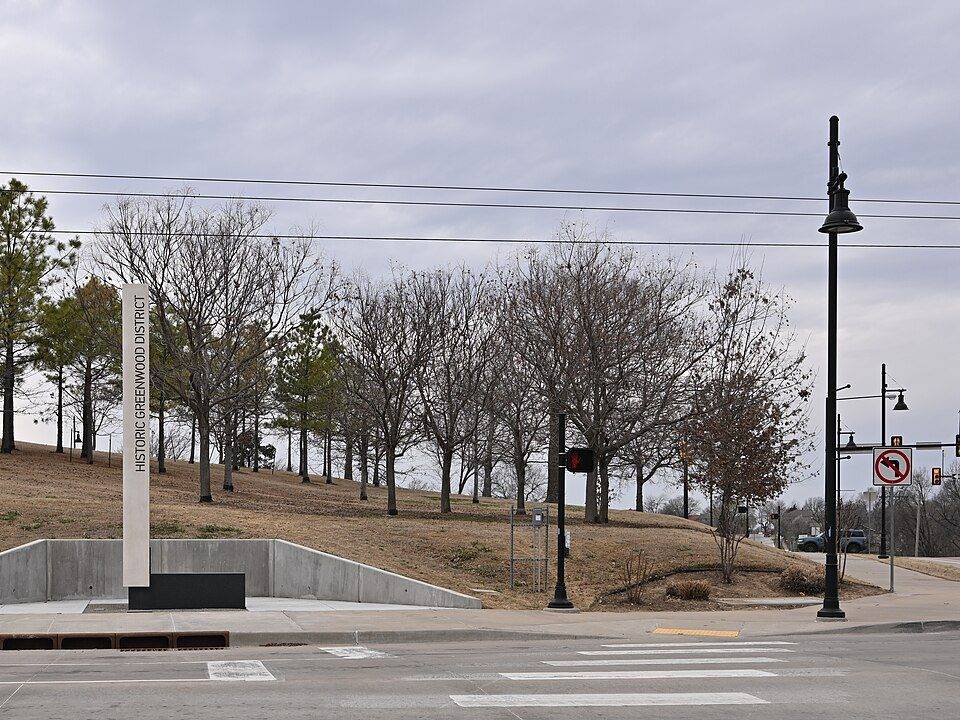
Historic Neighborhoods and the Weight of Old Systems
North Tulsa neighborhoods were platted and built early, and the Greenwood District carries a history that matters far beyond any single house: a community that built one of the most prosperous Black business districts in America, survived its destruction in 1921, and rebuilt. The housing across North Tulsa spans that whole story, much of it pre-1950, repaired and adapted across generations. These are sound, loved houses. They are also houses whose underground systems, laterals, drains, and supply lines, have been in service longer than any of them were designed to be.
Water damage here follows the infrastructure. Sewer laterals laid in short sections with joints that roots and soil movement have worried open for decades. Cast iron drains scaled and thinned from inside. Galvanized supplies at the far end of their lives. When these systems fail, they tend to fail in ways that have been developing for years, which is why the first visit on a North Tulsa job spends as much time on the system story as on the wet rooms: drying a house while its lateral is still compromised is how the same address ends up on the schedule twice.
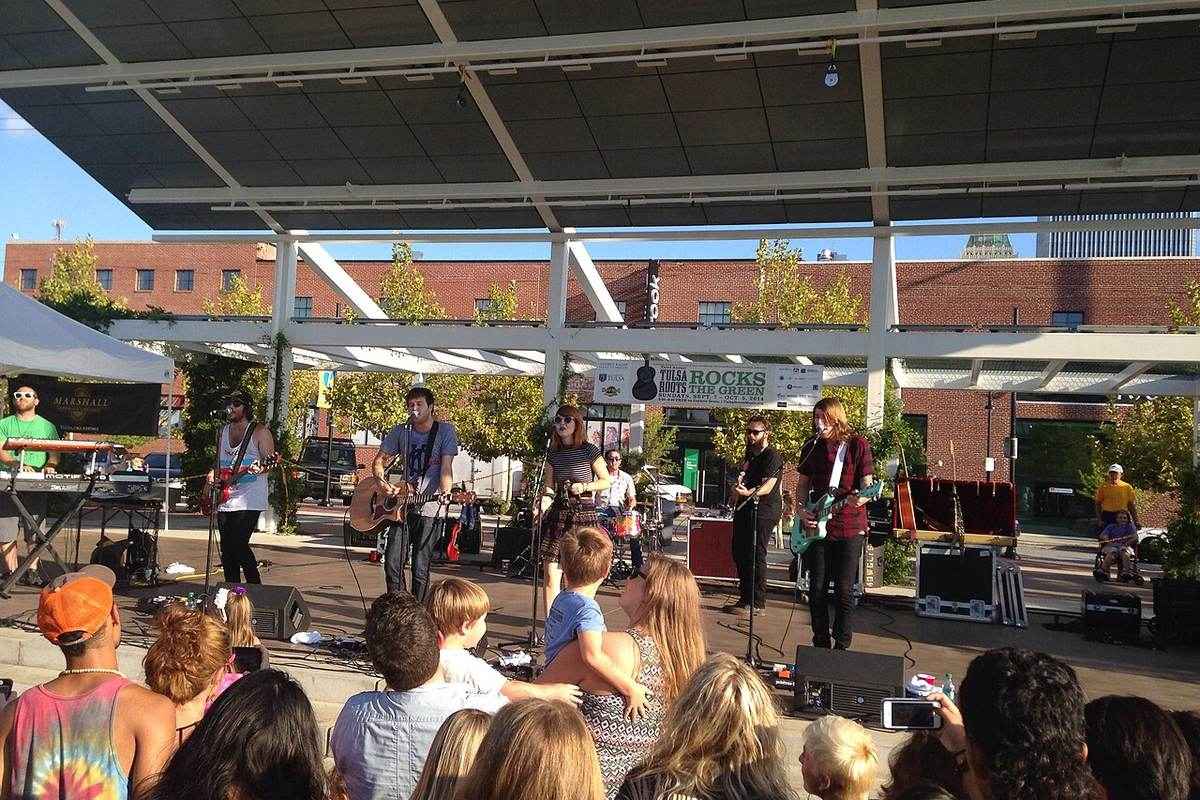
Clay Soil, Foundation Movement, and Water Finding the Cracks
Every Tulsa foundation rides expansive clay, but North Tulsa foundations have ridden it the longest. Season after season of swelling and shrinking has opened hairline cracks, separated joints, and shifted the grades around these houses, and each opening is an invitation when the ground saturates. Water enters at wall floor joints, through cracks that were dry for a decade, and along utility penetrations nobody has looked at since they were sealed the first time.
The pattern fools people because it is intermittent: the basement or crawl space that only takes water in the biggest storms, the corner that stains some springs and not others. Intermittent water is still water, and it feeds the mold and material decay that steady small leaks cause. Mapping during and after events, plus readings in the dry season for comparison, turns the mystery into a diagram: where it enters, what it wets, and what would close the path. Sometimes that is drainage and sealing work, sometimes plumbing, sometimes a foundation specialist, and the documentation supports whichever door you walk through next.
How a North Tulsa Water Damage Call Proceeds
1. Tell us the history you know
Prior backups, slow drains, cracks that come and go with the seasons. In North Tulsa the history of the house and its systems is primary evidence, not small talk.
2. Stop the source, protect people first
Sewer events are Category 3 from the first minute: keep the household out of affected rooms, stop running water elsewhere in the house, and let containment go in before belongings move.
3. Extract and, where needed, remove what sewage touched
Porous materials in a sewage footprint cannot be reliably disinfected and come out under containment. Clean water losses get the save first assessment instead. The category decides, not habit.
4. Map the old construction honestly
Readings through plaster, floors, and foundation walls, tracing both the event and any chronic moisture that predates it, so the plan fixes the whole picture.
5. Dry to standard, at the pace old materials set
Daily readings adjust the equipment. Historic assemblies dry slower, and the schedule respects that instead of cracking plaster to save a day.
6. Document the system story
Beyond the standard file, you get the evidence about the lateral, the foundation paths, or the failed line, ready for a plumber, a foundation specialist, or your insurer.
Sewers: The Recurring North Tulsa Story
No system in North Tulsa generates more repeat water damage than the private sewer lateral, the short run of pipe that belongs to the homeowner and connects the house to the street. Roots enter it, soil movement offsets it, and decades of use coat it, until the storm that surcharges it arrives. The cleanup after such an event is well understood. The harder conversation is the one about the line itself, because a house can be perfectly restored over a lateral that will fail again in the next heavy rain.
That is why our documentation on a backup includes the footprint, the fixtures involved, and the evidence about where the water came from, and why we recommend a camera inspection as the next step rather than an optional extra. Footage of a root mass or a collapsed section converts an argument into a repair plan, for a plumber, for a city conversation where the problem sits on the public side, or for an insurance file.
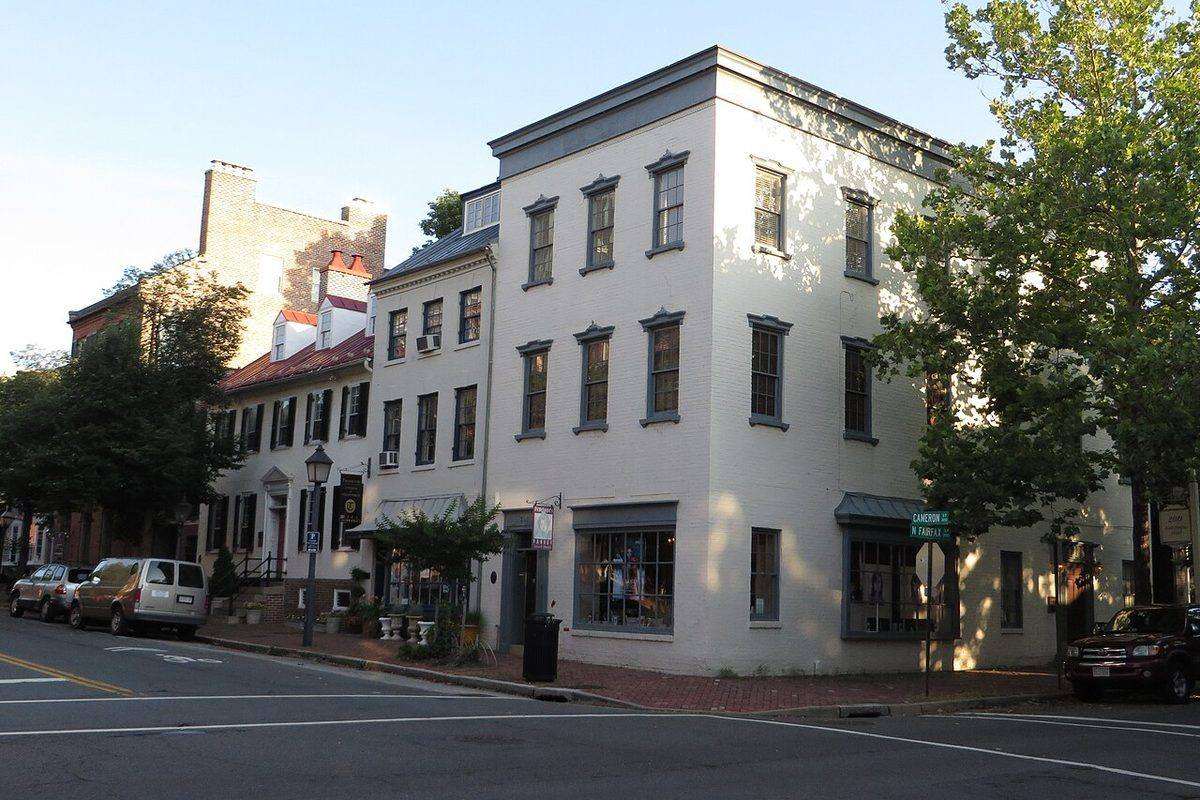
Stewardship: Restoring Houses That Carry History
Work in North Tulsa carries a responsibility the equipment does not measure. These houses and streets hold family and city history, and a restoration crew is a guest in both. The working standard follows from that: protect what is original, explain before opening anything, document like the record matters, because here it plainly does, and leave the house dry, clean, and honestly reported, including the parts of the story that point beyond our trade.
If you are choosing help for a North Tulsa home, ask how the company handles historic materials, what their sewer backup protocol is, and what you will receive in writing about the systems they found. The answers separate restoration from extraction with a mop, and on houses like these, the difference compounds for decades.
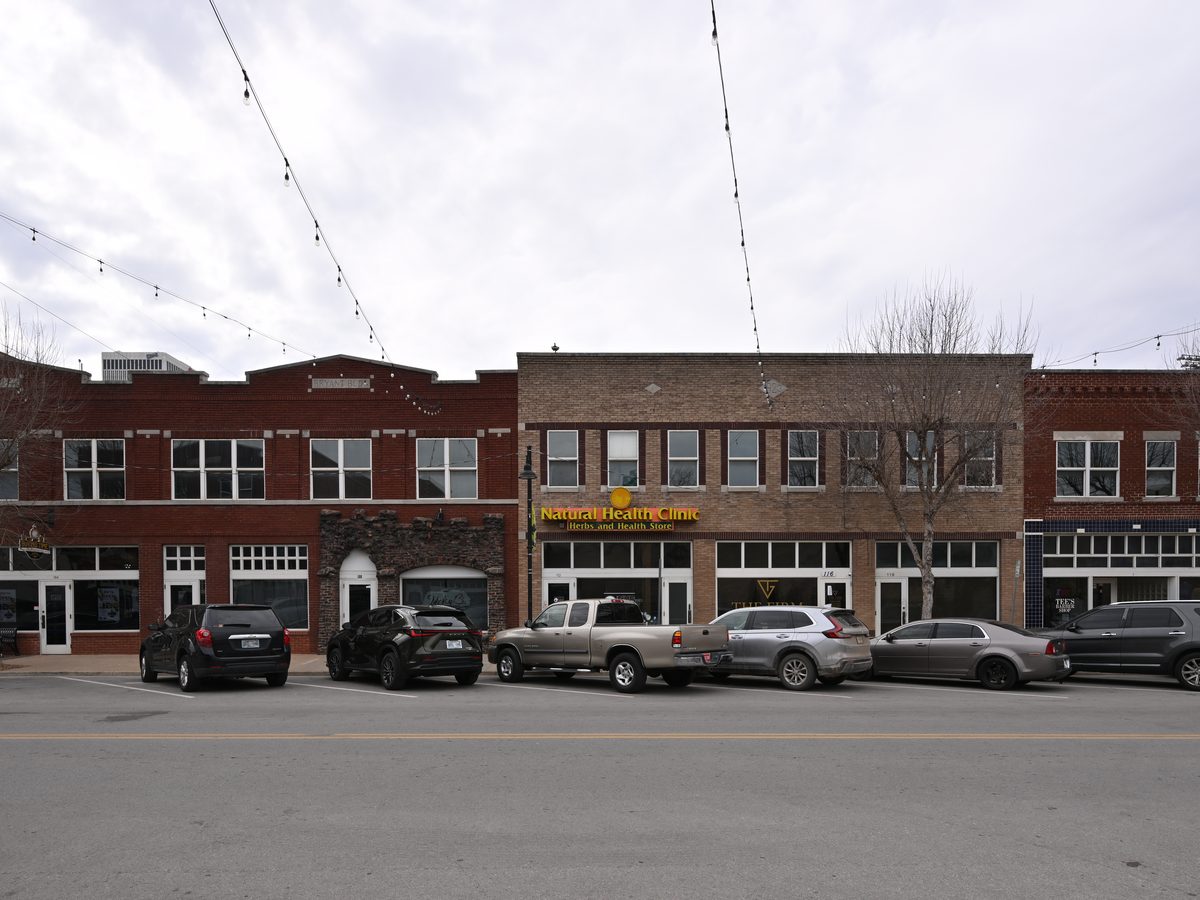
Water damage in North Tulsa? Start with one call.
Call (918) 578-1166 and tell us what happened and where in North Tulsa you are. We extract, dry, and document the loss, and we explain each step before we do it.
Water Damage Causes We See in North Tulsa
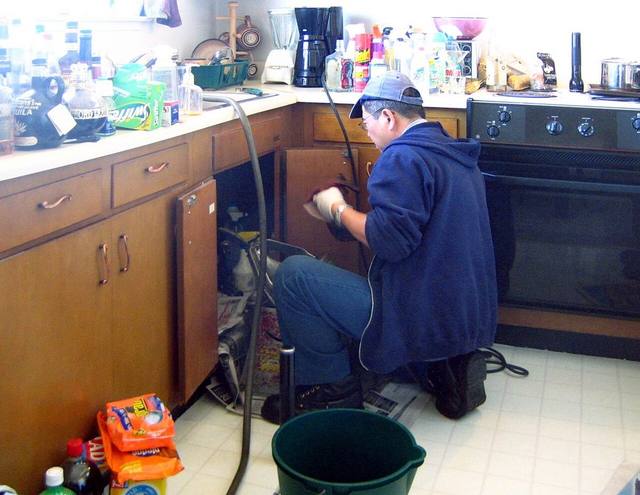
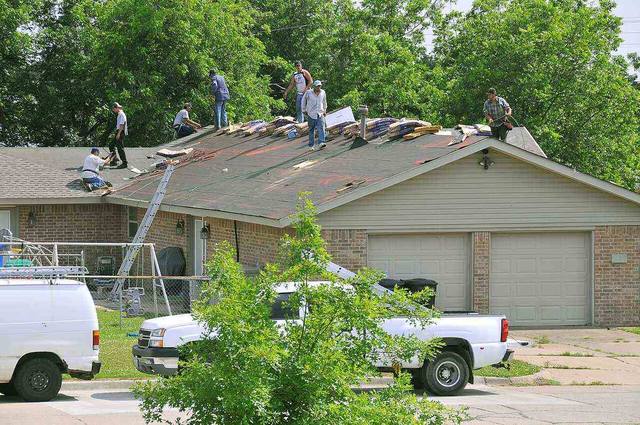
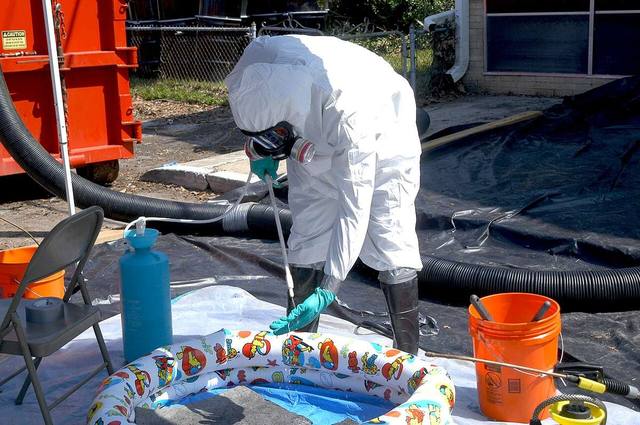
North Tulsa causes are system stories: sewer laterals, foundation paths through moved clay, tired supply lines, and crawl space water. These are the cause pages North Tulsa homeowners open most.
Main Water Damage Services in North Tulsa
Every North Tulsa call runs through the same main services: emergency response, residential and commercial restoration, and round the clock cleanup. The pages below explain each one in full.


Other Tulsa Neighborhoods We Serve
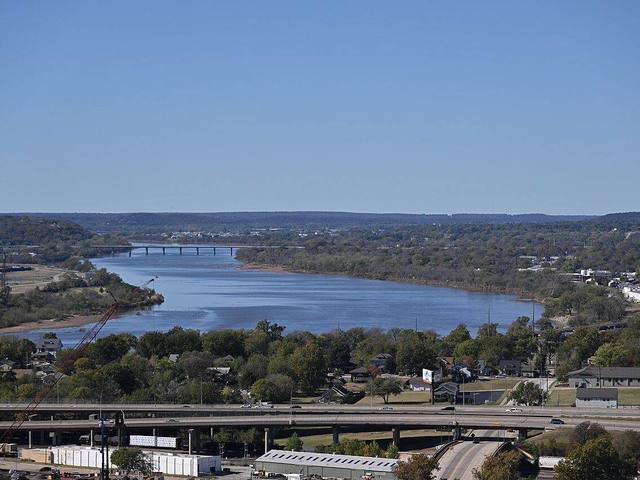
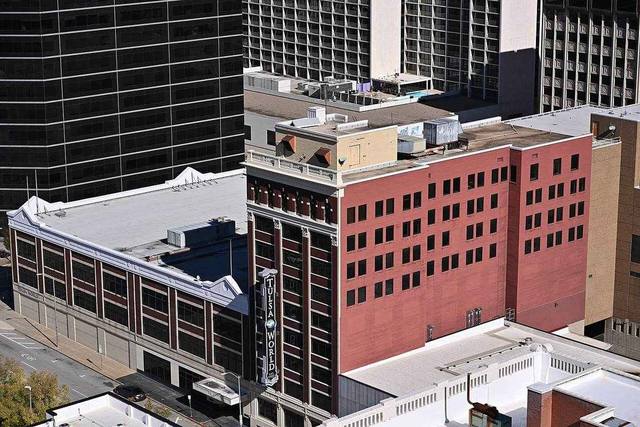
North Tulsa runs from the Greenwood District and the Arts District toward Turley and Sperry at the city edge. Each neighborhood and community page covers its own era and systems.
North Tulsa is part of Tulsa, and this page covers North Tulsa only. For the whole city, go up to the Water Damage Restoration Tulsa OK home page for the full process, cause, mold, and insurance pages, see all service areas, or start with emergency water damage restoration if water is active right now.
Water Damage Questions from North Tulsa Homeowners
What water damage is most common in North Tulsa homes?
The consequences of age in systems that were built early and worked hard. Sewer laterals that have been in the ground for generations, with roots, offsets, and bellies that turn a heavy rain into a backup. Supply plumbing at the end of long service lives. Roofs patched across decades. And underneath it all, foundations that have ridden Tulsa clay through a century of wet and dry seasons, opening the joints and cracks that let groundwater in. The events differ; the theme is systems older than the problems they are now causing.
My foundation has cracked and shifted over the years. Is water part of that story?
Almost always, in both directions. Tulsa’s expansive clay swells when wet and shrinks when dry, and a foundation that is watered unevenly, one side wet from a downspout or a slow leak while the other side bakes, moves unevenly too. Then the cracks that movement opens become paths for water to enter, wetting the soil further in the worst places. Restoration cannot relevel a foundation, but it can find and stop the water feeding the cycle, dry the interior, and document the moisture pattern, which is evidence a foundation specialist can actually use.
Why do North Tulsa sewers back up during heavy rain?
Because old lines meet new rainfall with no margin. A lateral with root intrusion, a sagging section, or a partial collapse handles a normal day and fails the storm test, while the city side of the system is also running at capacity. The backup enters at the lowest fixtures first. Treat any sewer water as Category 3: keep people and pets out, do not run water elsewhere in the house, and call. After the cleanup, a camera inspection tells you which section of line failed, and that footage is the difference between hoping and knowing before the next storm.
Can a pre-1950 North Tulsa home be dried without gutting its character?
That is the goal on every historic job, and the method is readings before removal. Plaster, original floors, and old growth framing tolerate careful drying better than most modern assemblies, and they are also the materials that make these houses themselves. Some losses still require opening walls, especially where sewage or long hidden moisture is involved, and we will show you the readings behind any such recommendation. What we will not do is default to demolition because it is faster to bill. The house was built to be repaired, and we work that way.
Does insurance cover water damage in older North Tulsa homes?
Policies judge the event, not the age of the house: sudden and accidental water events are the class most policies respond to, while gradual deterioration and deferred maintenance are excluded. In older homes the argument is usually about which of those two stories the failed part tells, and that is decided on evidence: dated photos, the failed section preserved or photographed, moisture maps, and readings from the first visit. We build that file as standard practice, because in a historic home the documentation is often the claim.
One call starts extraction and drying.
Talk to a Tulsa dispatcher now about your North Tulsa property. You will get clear next steps and documentation from the first visit.