Tulsa, OK - 24/7 Emergency Service
Water Damage Restoration West Tulsa
West Tulsa lives with the Arkansas River: the Red Fork area, industrial flats along the railroad corridor, and older homes on low ground where the flood plain is not an abstraction. Its water damage starts with elevation, and honest restoration here begins by admitting where the water comes from.
- Flood plain and low lot losses handled as contaminated from the start
- River, creek, and drainage sources identified before drying begins
- Older pier and beam homes and crawl spaces dried as a system
- Industrial and warehouse losses documented for business files
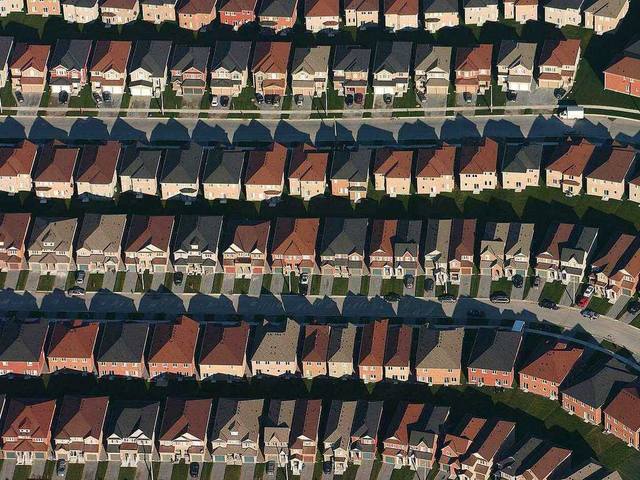
Homes on the same street share an era, a builder, and the same water risks. A local drying plan accounts for how your neighborhood was built.
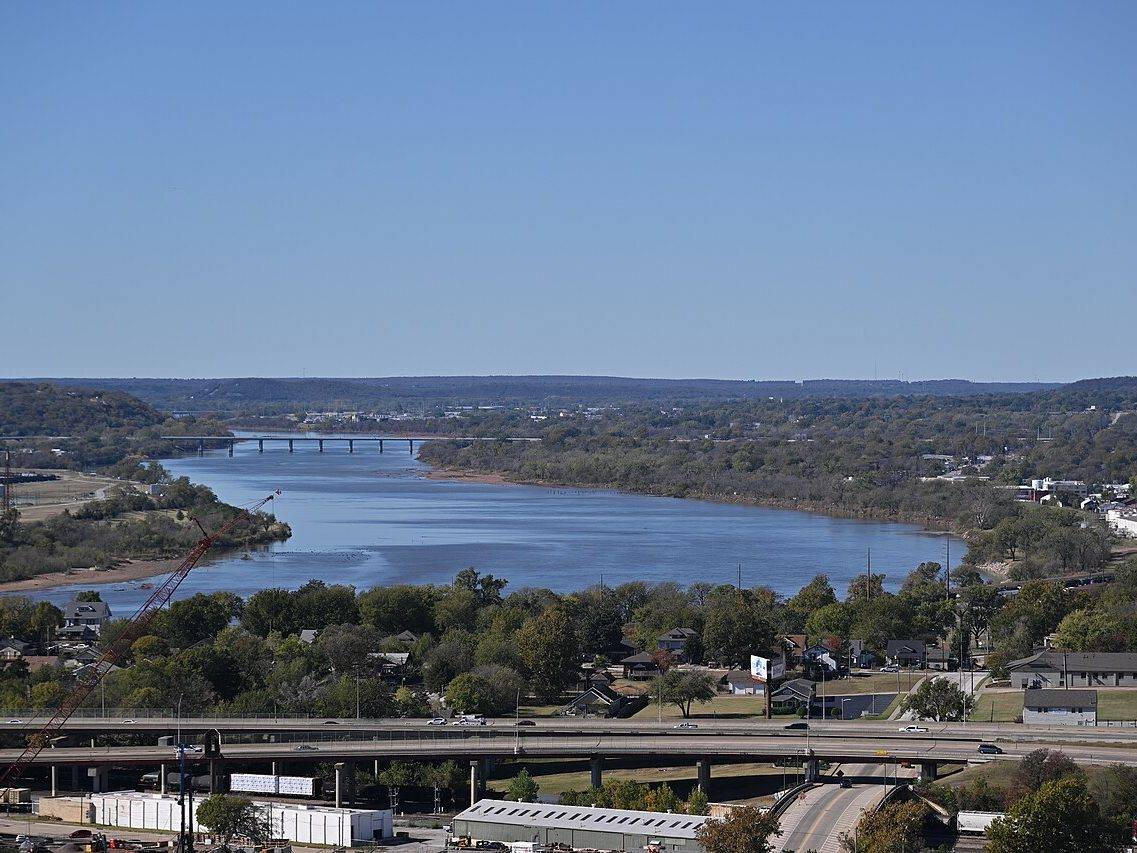
Low Ground, Big River: The West Tulsa Water Profile
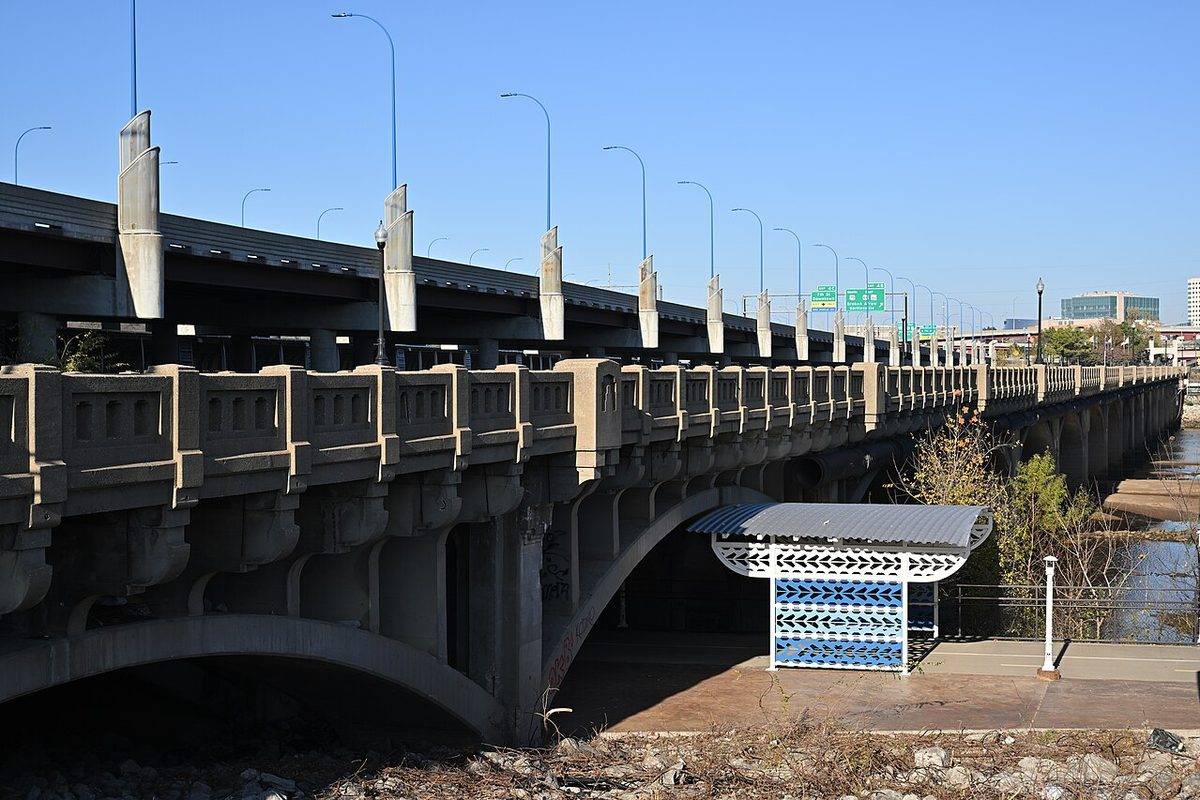
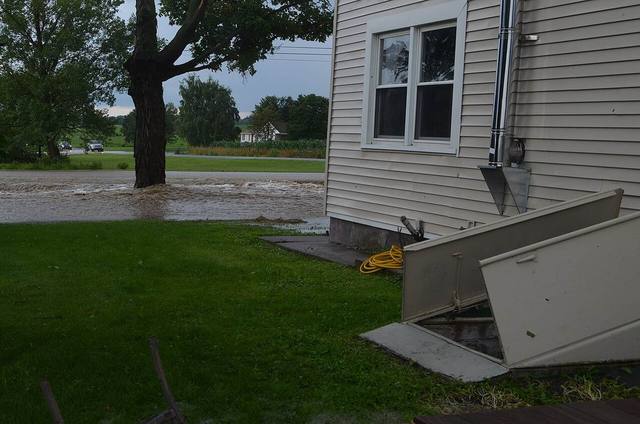
West Tulsa occupies the river side of the city, and the Arkansas sets the terms. The neighborhoods around Red Fork, the industrial land along the railroad corridor, and the residential streets between them sit lower than most of Tulsa, some of it in ground that flooded regularly before levees and modern drainage. The water here arrives from outside more than anywhere else in the city: river rises after distant rain, creeks that drain the west side backing up, and storm systems that simply have nowhere downhill left to go.
That profile changes the work in two ways. First, classification: outside water is flood water, treated as contaminated and documented as flood for whatever policy conversation follows. Second, prevention honesty: a West Tulsa loss is rarely just about the building. Lot grading, drainage paths, and where the property sits against the creek or the levee are part of the same file, because restoring a low house without reading its ground is scheduling the sequel.
Red Fork and the Older Housing Stock
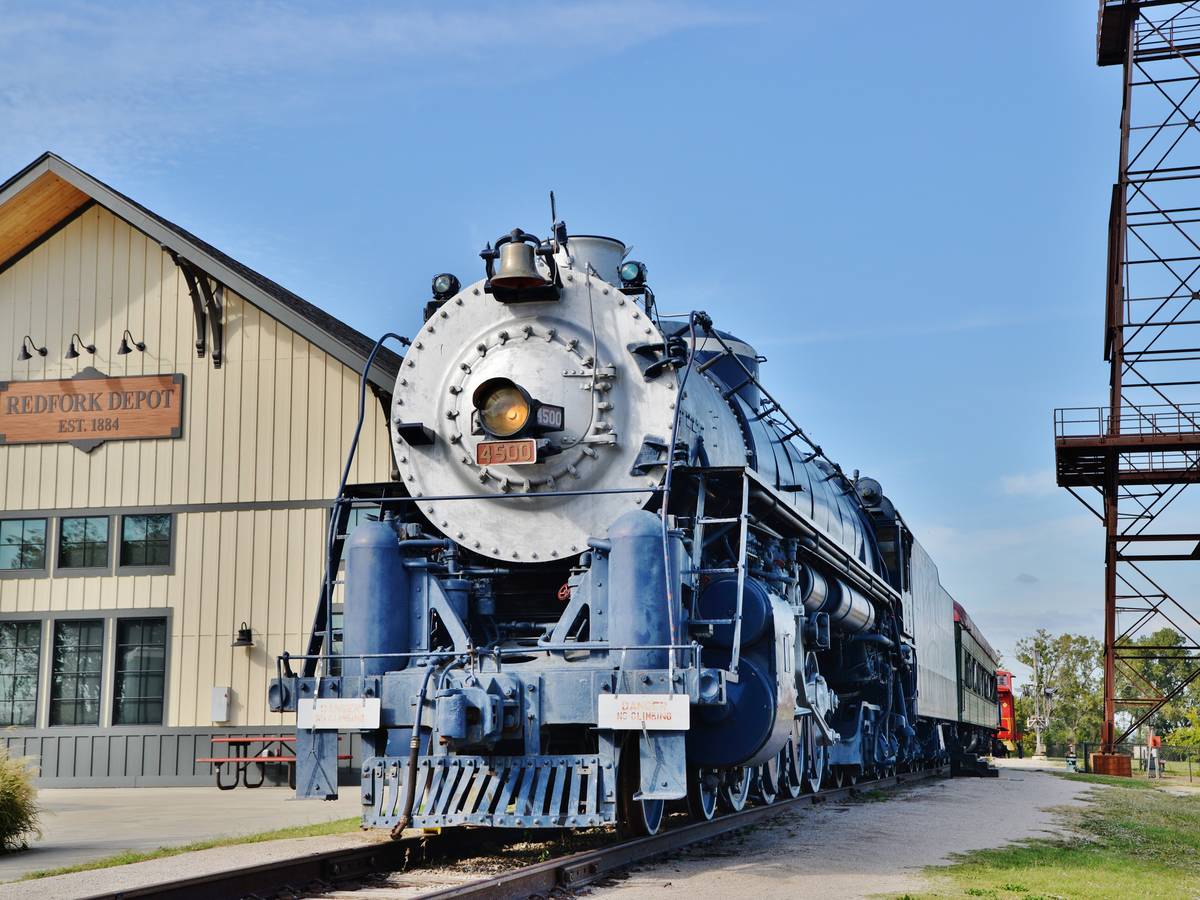
Away from the river flats, West Tulsa holds some of the city’s oldest residential streets, particularly around Red Fork, with pier and beam homes that have stood through a century of the river’s moods. These houses carry the classic old Tulsa systems, and their crawl spaces sit close to grade that has settled and shifted over generations. Rain that a slab suburb shrugs off can stand under a Red Fork house for days, working at joists, subfloors, and the air the household breathes.
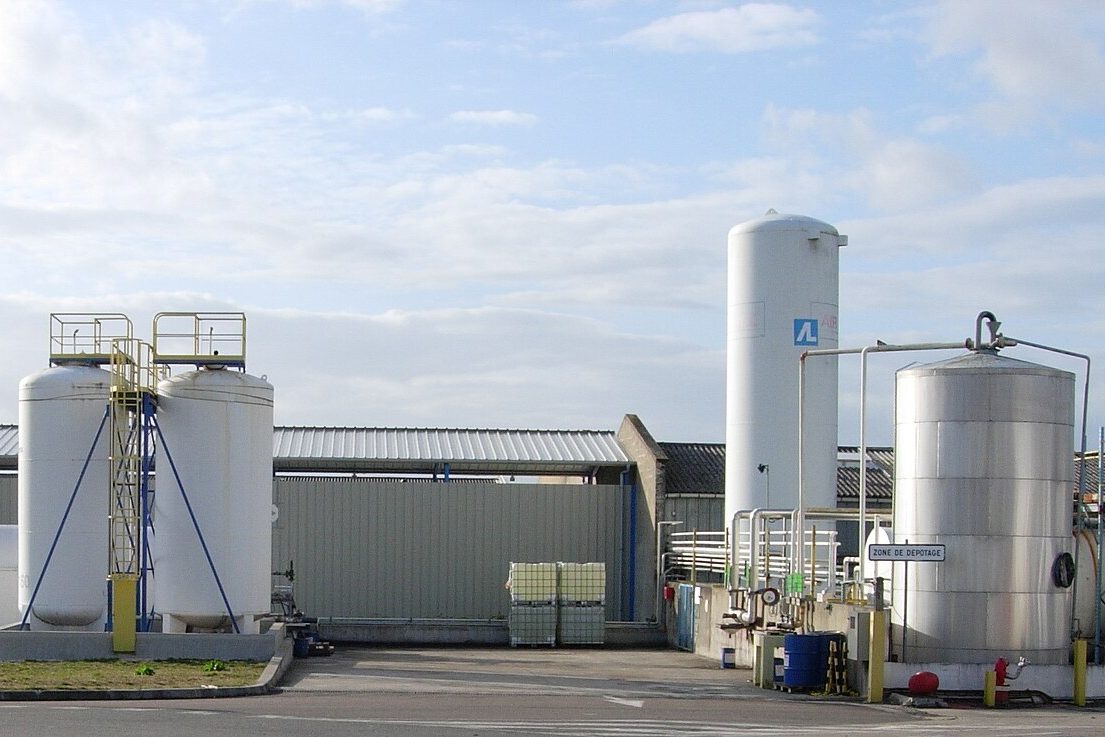
Industrial West Tulsa writes a parallel chapter. Warehouses, shops, and plants along the corridor run large slabs, floor drains, and dock level doors, an efficient design that also gives water a welcome mat. A supply failure or a storm surge across a parking lot becomes a wide, shallow, document heavy loss involving inventory and equipment. The restoration standard does not change, measured, mapped, documented, but the choreography does, and experience with both chapters is what a West Tulsa call actually requires.
How a West Tulsa Water Damage Call Proceeds
1. Tell us the source and the depth
River, creek, storm drain, or pipe decides the protocol before anyone leaves the shop. Flood water loads containment and disposal; clean water loads extraction and drying.
2. Wait for safe, then move fast
No entry into electrified standing water, ever. The moment water stops rising and power is settled, extraction speed decides how much of the building and contents can be saved.
3. Extract, then strip the flood footprint honestly
Flood soaked porous materials, carpet, pad, drywall to the waterline and beyond where wicking carried it, come out under containment. Pretending otherwise stores the problem inside the walls.
4. Map the structure and the ground
Readings through floors and walls, plus the exterior evidence: waterlines, drainage paths, and entry points, recorded while they are still legible.
5. Dry and disinfect to standard
Structural drying with daily readings, and disinfection matched to the category of water, verified before walls close or floors go down.
6. Document for the flood file
Source classification, waterline photos, maps, and readings assembled for a flood insurance or assistance file, which reads differently from a standard homeowners claim.
Crawl Spaces on Low Ground
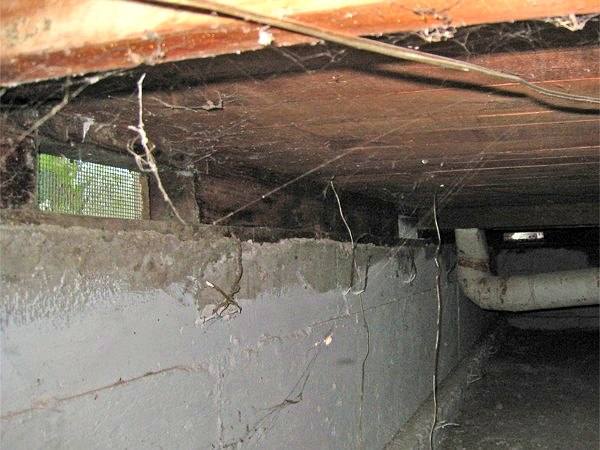
The West Tulsa crawl space is where the neighborhood’s elevation story is filed. Under pier and beam homes across Red Fork and the older streets, crawl spaces collect what the yard sends them: rain through vents and access doors, groundwater when the table rises, and plumbing drips that go unnoticed longest exactly where nobody looks. The damage sequence is slow and compounding: joists and subfloors held at high moisture, insulation sagging wet, musty air rising through the floor system into the living space.
The remedy is a sequence, not a single visit. Stop the entries, grade and drainage before gallons, remove standing water and failed material, then dry the structure to readings and consider the vapor and ventilation questions that decide whether the space stays dry. A crew that only dries and leaves has sold you the first chapter. We would rather lay out the whole book on the first visit, including the parts that belong to drainage and grading work, so the crawl space stops being a recurring expense.
Living With the River: Preparation That Actually Helps
West Tulsa homeowners cannot move the river, but the losses that hurt worst share preventable details: belongings stored directly on basement and garage floors, documents and photos at the lowest level of the house, floor drains and backflow paths nobody has checked, and no record of the home’s contents for the file that follows a loss. Raising storage, photographing your rooms in a calm season, and knowing your shutoffs and your flood policy status are unglamorous steps that change outcomes more than any equipment we own.
After any event, insist on the documentation standard described on this page: source, waterline, map, readings. In flood country the file is not bureaucracy. It is the difference between an assistance process that moves and one that stalls, and it costs nothing extra when the crew builds it as a habit from the first hour.
Water damage in West Tulsa? Start with one call.
Call (918) 578-1166 and tell us what happened and where in West Tulsa you are. We extract, dry, and document the loss, and we explain each step before we do it.
Water Damage Causes We See in West Tulsa
West Tulsa causes start outside: river and creek flooding, storm water on low ground, crawl space intrusion, with the standard pipe failures behind them. These are the cause pages West Tulsa readers open most.
Main Water Damage Services in West Tulsa
Every West Tulsa call runs through the same main services: emergency response, residential and commercial restoration, and round the clock cleanup. The pages below explain each one in full.
Other Tulsa Neighborhoods We Serve
West Tulsa faces Downtown across the river and runs toward Sand Springs along the corridor. Each neighborhood and city page covers its own ground, literally, and its own water behavior.
West Tulsa is part of Tulsa, and this page covers West Tulsa only. For the whole city, go up to the Water Damage Restoration Tulsa OK home page for the full process, cause, mold, and insurance pages, see all service areas, or start with emergency water damage restoration if water is active right now.
Water Damage Questions from West Tulsa Homeowners
Why does West Tulsa flood more than the rest of the city?
Elevation and the river. West Tulsa sits on the Arkansas River side of the city, and its lowest neighborhoods and industrial flats were built where water has always wanted to go. When the river runs high after upstream rain, or when local storms overwhelm drainage in low ground, water finds the same streets it has found for a century. Levees and drainage improvements manage much of that risk, but a low lot near a creek or a backed up storm system can still take water while a house ten streets away stays dry. Knowing your ground, and how it behaved in the last big event, is the start of any honest plan.
River water came into my home. Is that different from a pipe flood?
Completely, in protocol and in paperwork. River and flood water arrive carrying soil, chemicals, and sewage from everything upstream, so they are handled as contaminated from the first minute: porous materials the water soaks are generally removed rather than cleaned, and disinfection standards are stricter. On paper, rising water from outside is flood, which standard homeowners policies exclude; it belongs to flood insurance where a policy exists. We document the source and the waterline evidence carefully, because that classification decides which file, if any, responds, and because nobody should learn it from a denial letter based on a muddy report.
What should I do while the river or creek water is still rising?
People first, and no heroics in the water. Never walk through floodwater near electrical panels, outlets, or appliances, and never enter a basement with standing water while power is live to the space. Move documents, electronics, and belongings up, not out through the water, and photograph the waterline and the source as it happens if you can do it safely. Extraction begins when the water stops rising and power questions are settled; pumping against a still rising source wastes the work and risks the crew. When the call comes, tell us the water source and depth, because flood protocol loads different equipment than a pipe job.
Older home in Red Fork with a wet crawl space after every rain. What is going on?
Most likely a drainage story, not a plumbing one. Red Fork and the older West Tulsa streets hold many pier and beam homes where the crawl space sits low relative to the yard, and a century of settling can grade the ground toward the house instead of away. Rain that should sheet off instead ponds against the foundation and enters the crawl space, where it stands, evaporates into the floor system, and feeds the odor and decay people eventually notice upstairs. The fix sequence is source first, grading, downspout routing, and drainage, then drying. Drying alone, on a space that refills every rain, is a treadmill we will talk you off of honestly.
Does my West Tulsa business need a different plan than a house?
The science is shared and the stakes are itemized differently. West Tulsa industry and warehousing along the river corridor run on slabs with floor drains, dock doors at grade, and stored materials at floor level, which is exactly where flood and plumbing water go. A commercial plan adds inventory documentation from the first hour, containment that can keep part of a building working, and attention to what the water carried in industrial settings. The documentation standard is the same, photos, maps, readings, because business policies and landlords read files as closely as any homeowner insurer.
One call starts extraction and drying.
Talk to a Tulsa dispatcher now about your West Tulsa property. You will get clear next steps and documentation from the first visit.