Tulsa, OK - 24/7 Emergency Service
Water Damage Restoration Catoosa OK
Catoosa is the Tulsa Port city on the Verdigris River, a Route 66 town of established neighborhoods and industrial ground. River flooding, storm water, and older housing stock shape its restoration calls.
- Verdigris River bottomland and low ground exposure
- Established Route 66 neighborhoods with older systems
- Port, warehouse, and industrial commercial properties
- Newer subdivisions near the highway interchanges
Crews who know Tulsa County housing, soil, and storm patterns dry buildings faster, because the plan fits the building from the first visit.
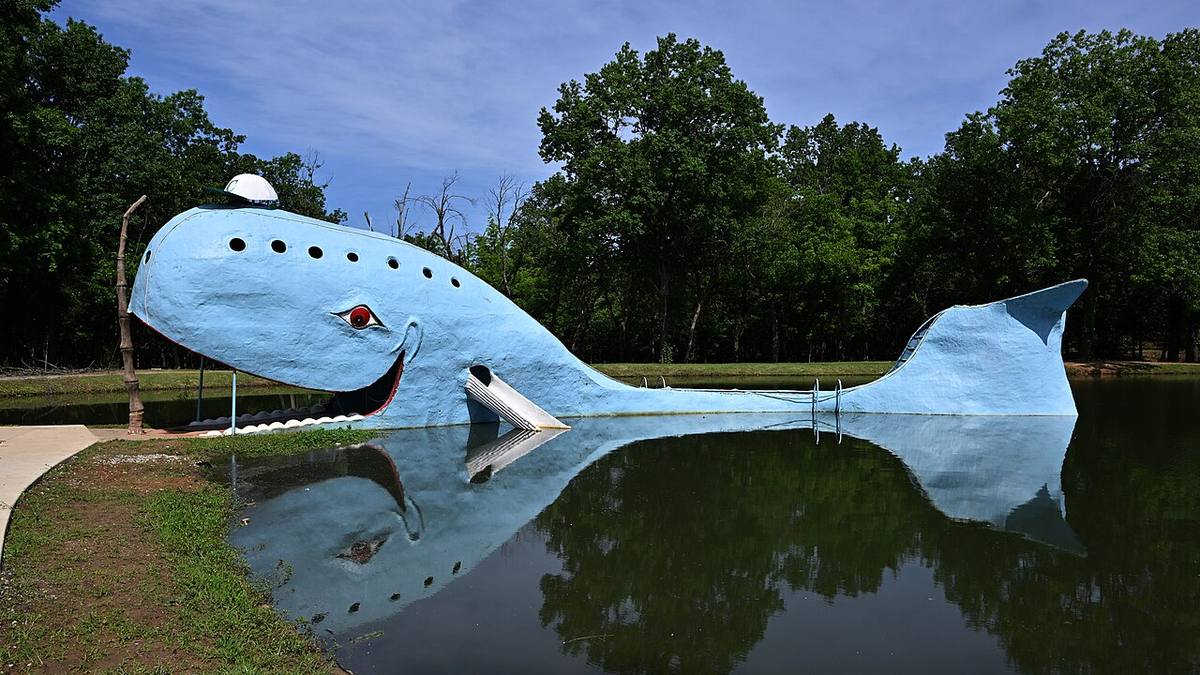
Port Town on the River: Catoosa Housing and Industry
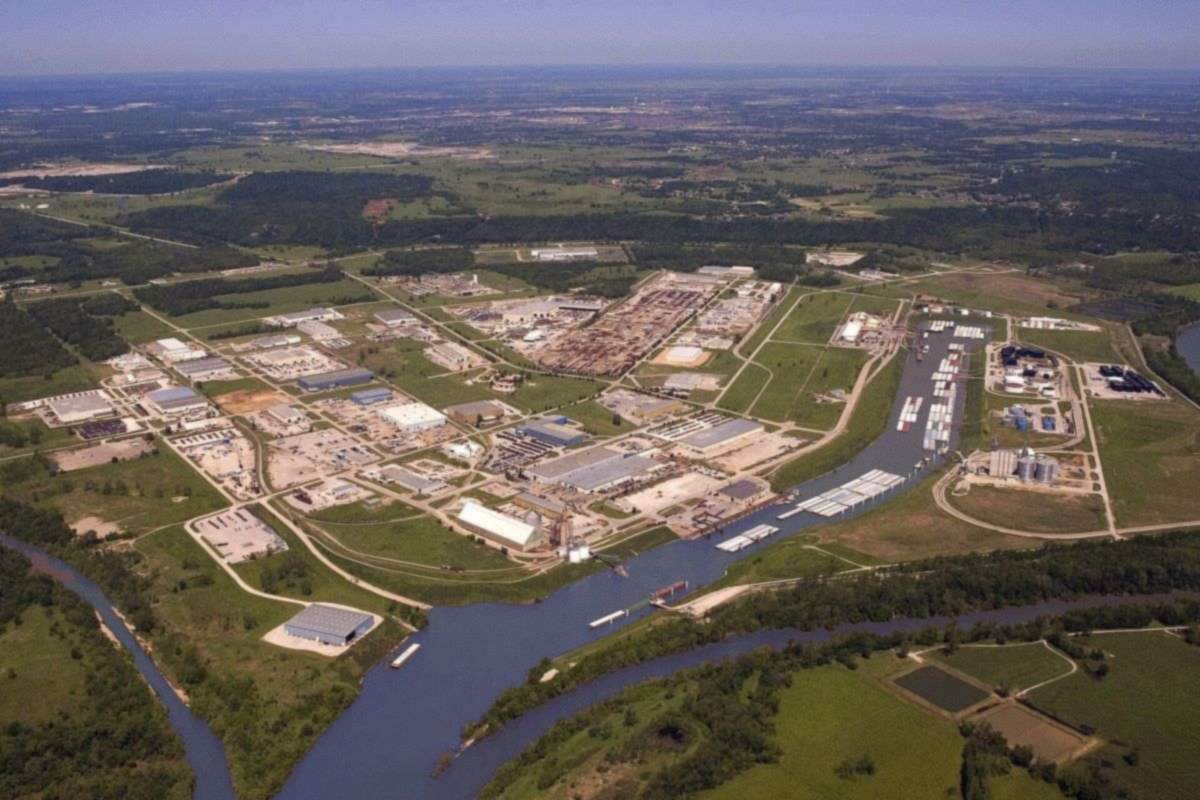
Catoosa exists at a crossing of water and highway. The Verdigris River made it the head of navigation for the McClellan Kerr system, and the Tulsa Port of Catoosa turned that geography into one of the largest inland river ports in the United States, with industry, warehousing, and manufacturing spread across the port district. Route 66 and then the turnpike layered the road story on top, giving Catoosa its other icon, the Blue Whale, and a corridor of older homes and businesses along the historic highway.
The housing stock divides between the established neighborhoods near the old highway and downtown, mid century and older homes with crawl spaces and plumbing that has been maintained in stages, and newer subdivisions growing near the interchanges as the metro pushes east. Industrial and commercial property is a bigger share of the built environment here than in any bedroom suburb, which widens the water damage brief: Catoosa calls range from a flooded basement on a low street to a warehouse roof failure over a weekend, and both are local work.
Where Water Gets In Across Catoosa
The river leads. When the Verdigris runs high, the bottomland water table rises with it, and the low neighborhoods of Catoosa feel it as basement seepage, crawl space water, sump systems running constantly, and, in the biggest events, genuine flooding. The navigation system manages the river, but it does not repeal the physics of saturated ground. Storm water adds the second river, the one that runs down streets and drainage creeks during Green Country downpours, testing the same low ground from above.
Inside the buildings, the older corridor housing produces the established list: aging supply and drain lines, sewer backups, water heaters, and roofs that have absorbed decades of hail and wind. The port and industrial properties contribute large scale versions: roof spans that pond, sprinkler and process line failures, and plumbing events in buildings large enough for a leak to run long before it is found. Newer subdivisions add slab leaks and appliance failures. The cause pages below start with basements and storms, the Catoosa order, and work through the rest.
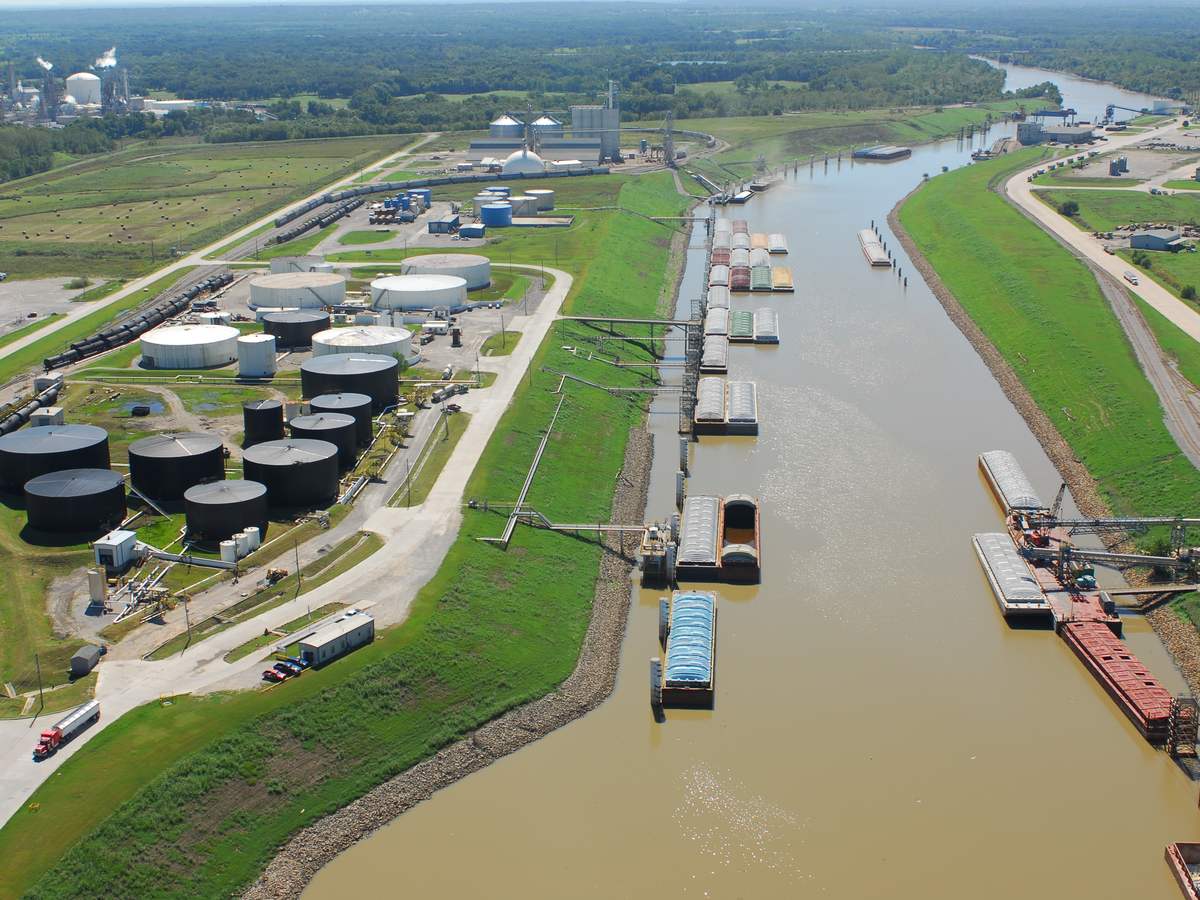
The navigation system itself is worth understanding, because it changes how flood water behaves here. The McClellan Kerr system manages the Verdigris and Arkansas rivers through locks and dams, and managed releases move water through the Catoosa reach on a schedule that storms do not follow. When a big rain arrives on top of a high release, the river has nowhere to put it, and the bottomland takes it. Port operators and long time residents watch the release schedules and the upstream gauges; a homeowner on low ground can use the same information to move valuables and check the sump before the water decides the schedule instead.
How a Catoosa Water Damage Call Proceeds
1. Tell us the ground and the building type
Low street near the river, established home on the highway corridor, subdivision house, or port district building: each starts with different water, different safety questions, and different equipment. The first description steers everything.
2. Shut off water and make the scene safe
Close valves or the main for interior failures. For river or sewer water, treat the space as contaminated, give standing water and anything electrical a wide berth, and keep people and pets out until it is assessed.
3. Pump out and extract standing water
Basements get pumped, crawl spaces drained, and floors extracted. Industrial and warehouse spaces get the same first step at their scale, with contents and equipment protection built into the sequence.
4. Map the moisture and identify the entry pattern
Readings define the footprint and show how the water arrived: foundation joint, crack, door line, roof path, or plumbing source. The pattern decides whether this is an event to dry or a pattern to fix.
5. Dry to a measured standard
Dehumidification and airflow sized to the full load, including below grade spaces, verified with daily readings. Contaminated categories follow their protocol rather than the standard drying sequence.
6. Document and verify the result
Dated photos, moisture maps, and final readings, kept from the first visit. In river country, the source documentation in that file is what an insurance conversation stands on.
Drying Catoosa Homes: Low Ground, Basements, and Older Systems
Low ground homes dry with their water table in mind. A basement that took groundwater needs the structure dried to standard and the entry pattern read honestly: a joint that weeps only at record river levels is a different fact from a crack that admits water every wet season. Sump systems get evaluated as part of the job, because in the bottomland the sump is not an accessory; it is the last line of defense, and its failure during a power outage is a known Catoosa flood story with a known prevention, backup power and capacity.
In the older corridor homes, crawl spaces carry the same lesson as everywhere in Green Country: dry them with the house, read the joists and subfloor, and deal with the plumbing drips found along the way. Commercial drying at the port and in the warehouse districts runs the identical science at scale, with the addition of contents, equipment, and operational planning. Across all of it, the standard does not change: measure, remove only what cannot dry, verify with readings, and write it down.
Sprinkler systems deserve a Catoosa industrial note, because they are the hidden water volume in the port district. A frozen or mechanically damaged sprinkler head discharges far more water than any domestic pipe failure, and it does it across a warehouse footprint. The valves and drains for the system should be known to more than one person at every facility, and freezing protection for sprinkler lines in unheated areas is as critical as for any plumbing. When a sprinkler event happens, the first hour belongs to the valve; everything after that belongs to extraction, and the facilities that know their valves lose days instead of weeks.
Insurance Documentation and Choosing Help in Catoosa
Catoosa files turn on source classification more than most: river water, groundwater, sewer backup, and interior plumbing failure can all wet the same basement in the same season, and they belong to different coverage worlds. The documentation that sorts them is created during the response, timestamped photographs of entry points and water lines, the moisture map, weather and river context in your own notes, and drying readings. We build that record on every job, because reconstructing a source after the water leaves is guesswork nobody should have to file.
Choosing help in Catoosa means asking flood country questions. Ask how basements and crawl spaces are handled, and whether the company will separate the drying job from the pattern fix honestly when part of the answer is drainage, foundation, or sump work by another trade. Ask what standard governs the work, the IICRC S500 framework, and what documentation you will hold. And be skeptical of anyone who promises how a flood related claim will come out; the policy and the facts decide that, and the facts are what a good company makes sure you have.
Water damage in Catoosa? Start with one call.
Call (918) 578-1166 and tell us what happened and where in Catoosa you are. We extract, dry, and document the loss, and we explain each step before we do it.
Water Damage Causes We See in Catoosa
Catoosa water arrives from the Verdigris, from the sky, and from its own older systems, in that local order. These cause pages start with flooded basements, storms, and sump failures, and cover the rest of the port city list from there.
Main Water Damage Services in Catoosa
Every Catoosa call runs through the same main services: emergency response, residential and commercial restoration, and round the clock cleanup. The pages below explain each one in full.


Nearby Communities We Serve
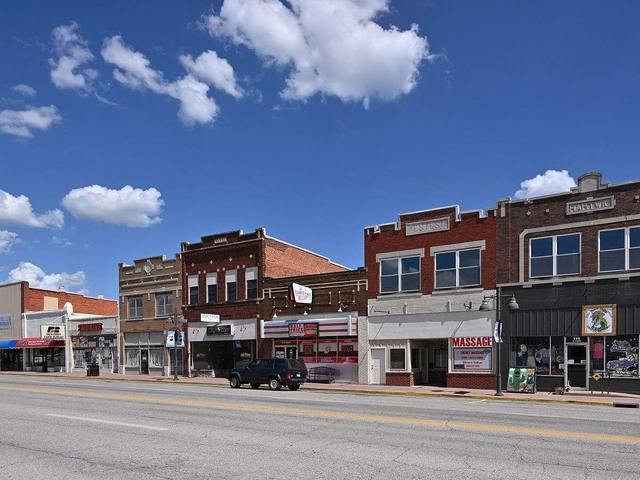
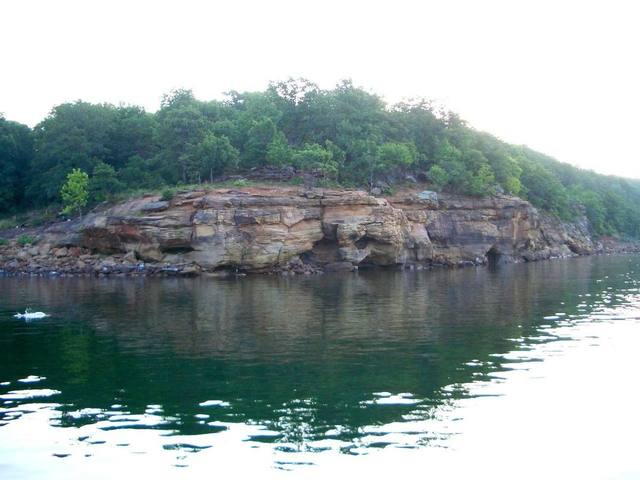
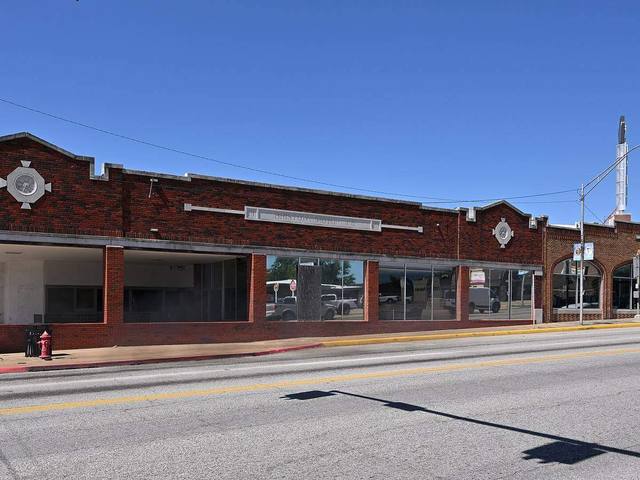
Catoosa is the metro east gate, with Claremore up the highway, Coweta and Broken Arrow to the south, and Tulsa down the turnpike. Each nearby page is written on its own ground; port river bottom and Rogers County hills are different water.
Return to the water damage restoration Tulsa OK home page for the full process, cause, mold, and insurance pages, see all service areas, or start with emergency water damage restoration if water is active right now.
Water Damage Questions from Catoosa Homeowners
How much flood risk does the Verdigris River create in Catoosa?
Real risk, on the low ground. Catoosa sits on the Verdigris River where the McClellan Kerr navigation system reaches the Tulsa Port of Catoosa, and the bottomland along the river and its creeks is the metro eastern flood story. High water events push groundwater up across the low neighborhoods, test sump systems, and flood the lowest lots. Most of Catoosa housing sits on higher streets and will never see the river at the door, but if your home is on low ground near the river or a drainage creek, elevation and drainage deserve to be known facts, not guesses.
What is the Blue Whale doing on a water damage page?
Marking the neighborhood, honestly. The Blue Whale is Catoosa most famous landmark, a Route 66 roadside icon on the old highway through town, and it tells you which Catoosa you are in: the historic highway corridor of older homes and businesses that grew up along Route 66 and the turnpike. Those established neighborhoods carry older plumbing, crawl spaces, and roofs with long storm histories. The newer subdivisions spreading from the highway interchanges carry the modern slab list instead. Catoosa water work starts by knowing which half of town is calling.
Do you handle water damage at port and industrial properties in Catoosa?
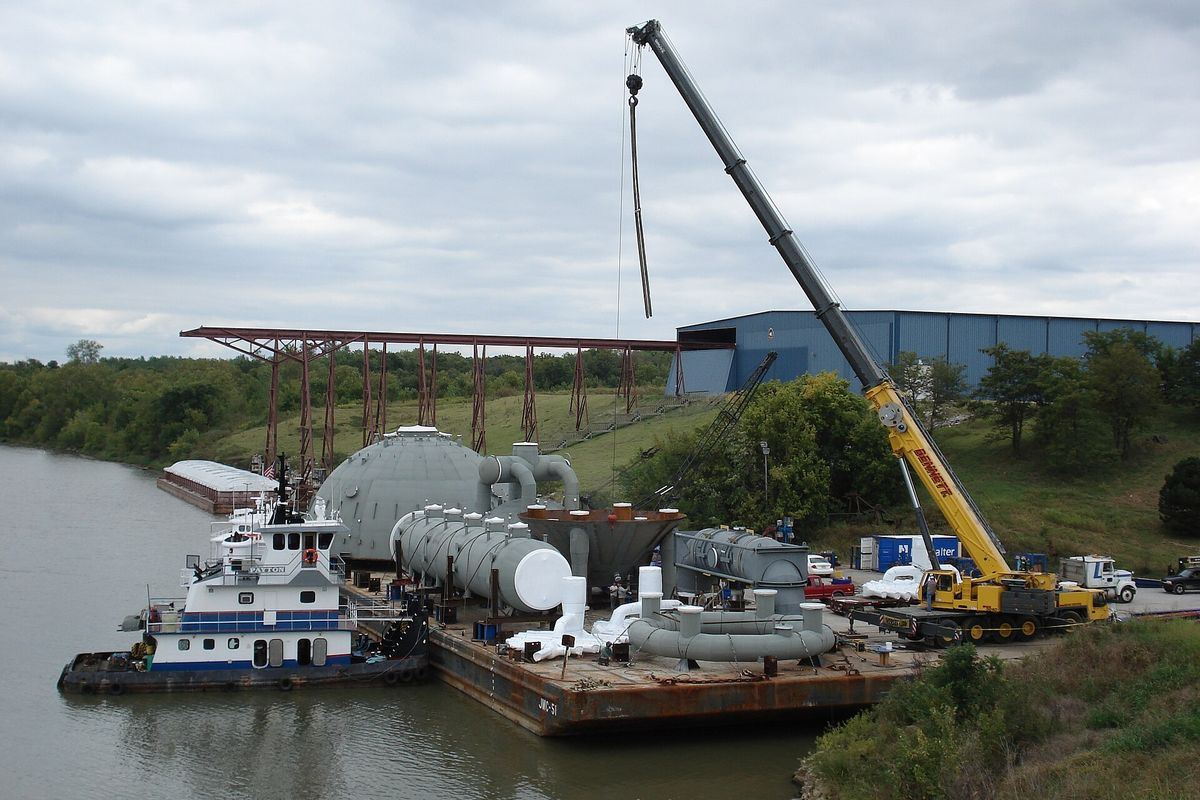
Yes. The Tulsa Port of Catoosa is one of the largest inland ports in the country, and its industrial and warehouse properties, along with the manufacturing and logistics buildings around it, carry commercial scale water risks: large roof spans, long plumbing and process runs, sprinkler systems, and buildings that sit quiet over weekends. Commercial restoration there is planned around operations and safety compliance, with phased drying where the facility can keep working. The commercial page on this site covers the planning; the assessment starts with the same call as any Catoosa home.
My Catoosa basement floods when the river is up. What can actually be done?
Two separate things, and they should not be confused. The event itself, water in the basement, gets the full restoration treatment: pump out, extract, remove what cannot dry, dry the structure to standard, and treat for contamination if river or sewer water was involved. The pattern, a basement that floods with the river, is a water management problem: sump capacity and backup power, foundation entry points, grading, and drainage all belong in that conversation, and parts of it belong to other trades. We will dry the house and tell you plainly which pattern fixes we can speak to and which need a foundation or drainage contractor.
How do commercial warehouse claims differ from home claims in Catoosa?
In scale and in paperwork, not in water science. A warehouse loss usually involves larger square footage, contents and equipment that carry their own valuations, and business interruption as a real cost of the downtime. Insurers respond with correspondingly larger documentation demands: floor plans with the affected areas marked, inventory of affected contents, equipment lists, and a day by day drying log. The response is planned to produce that file from the first visit, with photos organized by area and readings logged per zone. The sooner the documentation starts, the less the claim reconstructs later.
Does homeowners insurance cover Verdigris River flooding in Catoosa?
Rising water from the river is flood, and flood sits outside standard homeowners policies; it requires a separate flood policy through the NFIP or a private carrier. Water from a sudden plumbing failure inside the home is the opposite case, the event homeowners policies are built around. Sewer backup during high water usually turns on an endorsement. Your insurer applies your coverage to the documented facts, which is why our file records the source and path of the water precisely, with dated photos, maps, and readings, from the first visit.
One call starts extraction and drying.
Talk to a Tulsa area dispatcher now about your Catoosa property. You will get clear next steps and documentation from the first visit.