Tulsa, OK - 24/7 Emergency Service
Water Damage Restoration Sperry OK
Sperry is a small rural community north of Tulsa, where most properties run on wells and septic systems and the housing stock is older. Its water work is infrastructure work: pipes, crawl spaces, and creek ground.
- Rural properties on well water and septic systems
- Older homes and infrastructure, crawl spaces throughout
- Low ground along Bird Creek and its bottomland
- Outbuildings and lines that sit unchecked between visits
Crews who know Tulsa County housing, soil, and storm patterns dry buildings faster, because the plan fits the building from the first visit.
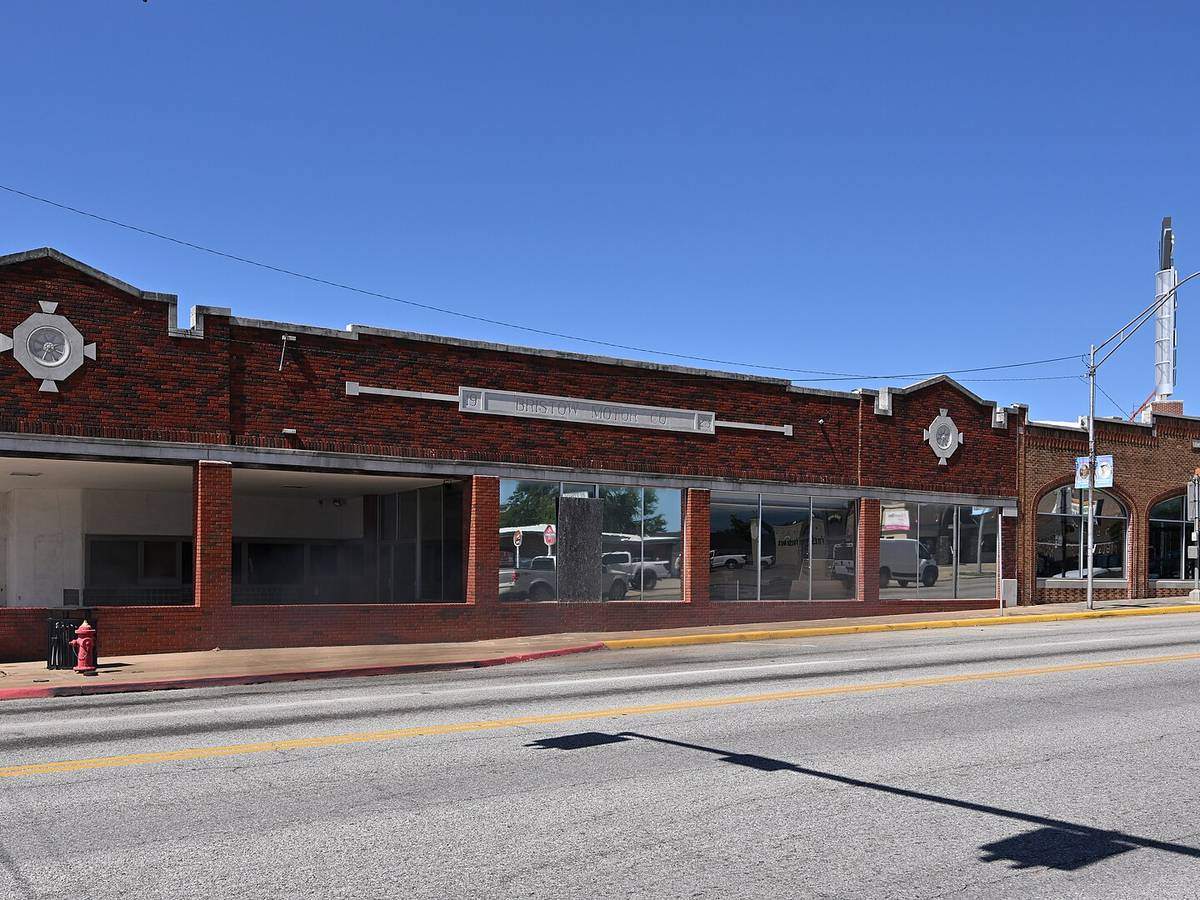
Rural and Older: The Sperry Property Profile
Sperry is one of the small communities that ring Tulsa closely without ever becoming suburbs: a compact town north of the city with a farming past, surrounded by rural properties on county roads. The housing is predominantly older, homes built across the last century and maintained by their owners, many on pier and beam foundations over crawl spaces. City water reaches part of the area; much of Sperry country runs on private wells, and septic systems handle drainage where sewer lines never arrived. Infrastructure here is personal in a way city dwellers forget: the pump, the tank, and the lines belong to the property.
That profile writes the local water damage rules. Systems are older, so failures are wear failures: pipes that corrode and split, water heaters that outlast their design life, drain and septic lines that back up. Access is rural, so discovery can lag, especially on properties with outbuildings and lines nobody walks past daily. And the fixes are household knowledge problems as much as trade problems: on a well property, the fastest restoration tool ever invented is an owner who knows exactly where the pump breaker is.
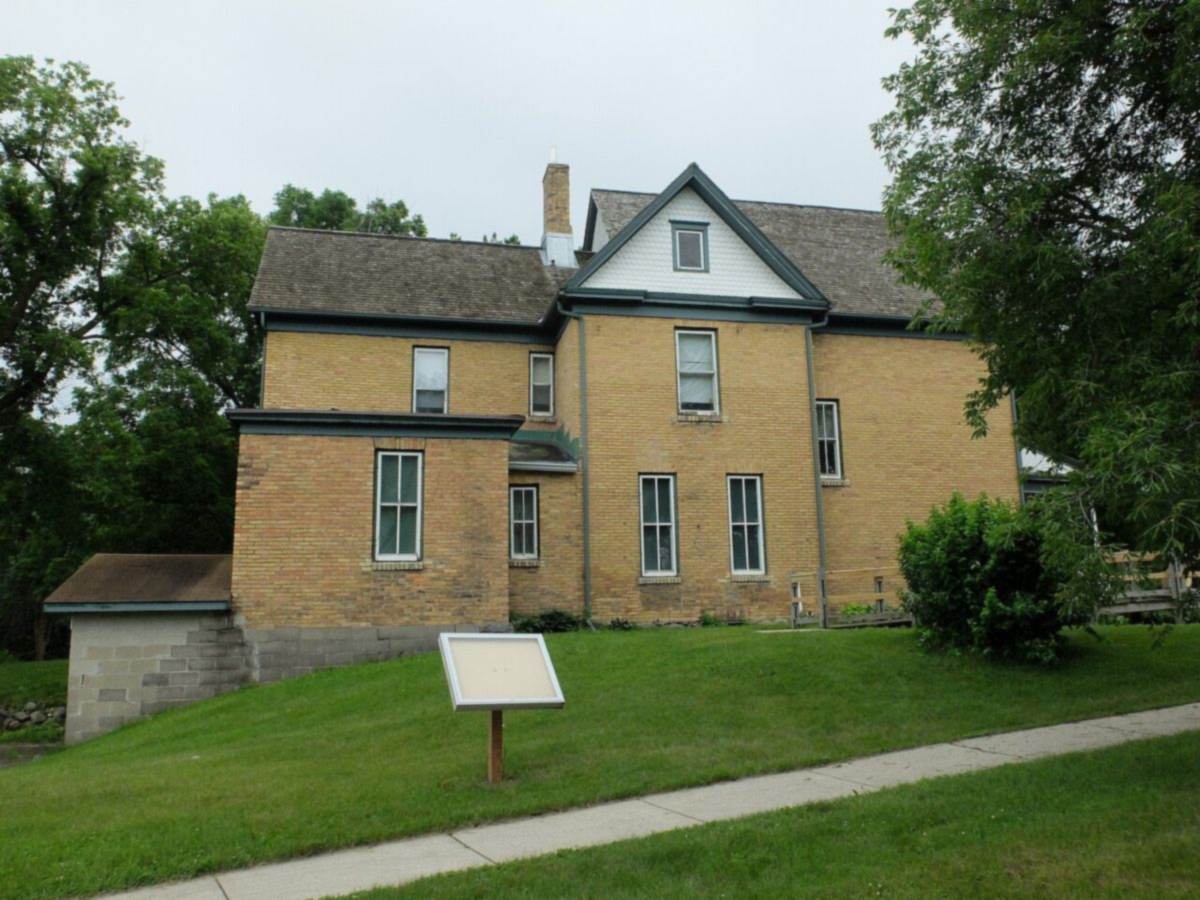
Where Water Gets In Around Sperry
Crawl spaces and pipes share the Sperry lead. The crawl spaces collect runoff across informal rural grading, groundwater near the Bird Creek bottomland, and the slow drips of aging plumbing, then hold that water against joists and subfloors through the humid season. The pipes above them fail by age, and in winter the exposed runs in crawl spaces and outbuildings freeze and burst, sometimes at full well pressure, until someone notices. Sewage and septic backups complete the below ground list, each a contaminated category when it comes.
Above ground, the Green Country calendar applies at rural scale: spring storms with wind driven rain and tornado risk, hail that ages roofs uninspected, and heavy rain events that lift Bird Creek into its bottomland and hold water on low lots and county roads. Water heaters, the hardest working appliance in any older home, fail in closets and utility rooms across the community. Start with the crawl space and plumbing causes below for the Sperry pattern, and work through basements, heaters, and sewers after.
A special Sperry mention goes to the well house and the pressure system, because that is where property water control physically lives. A pressure tank that has lost its air charge cycles the pump constantly and shortens its life; a line through an uninsulated well house bursts at the first real freeze; a check valve that fails can drain the system and let sediment into every fixture. These are the small components that decide whether a Sperry property survives winter as a non event. They are checkable in an afternoon, and the fall is when to check them.
How a Sperry Water Damage Call Proceeds
1. Tell us the systems: well, septic, foundation type
Sperry first visits are planned around your infrastructure. Well and septic change the shutoffs, the water budget, and the disposal plan; crawl space or basement changes where the crew starts reading moisture.
2. Kill the pump and close the water
On a well property, the breaker is the master switch. Close fixture valves and the main as well, give standing water and anything electrical a wide berth, and treat any septic or sewer backup as contaminated space.
3. Extract standing water everywhere it stands
Rooms, crawl spaces, basements, and outbuildings all get checked and drained. Rural events hide in the buildings nobody entered; the assessment walks the whole property, not just the house.
4. Map the moisture, structure and systems together
Readings define the wet footprint in floors, walls, joists, and subfloor, and the map pattern usually shows which feed, plumbing, runoff, or groundwater, did the damage. The cause decides the prevention half of the plan.
5. Dry, treat, and verify with readings
Dehumidification and airflow sized to the full load, checked daily. Where water stood long enough for mold, the remediation sequence joins per the mold pages. Septic involved water follows the contaminated category protocol.
6. Document, and leave a shutoff routine behind
The job record wraps with dated photographs, the moisture map, and final dry readings. Rural Sperry properties also leave with a simple written routine: pump breaker, main valve, storm check list, so the next event is measured in minutes of water, not days.
Drying Sperry Homes: Crawl Spaces, Wells, and Older Materials
Older Sperry homes reward the careful approach, because their materials, solid floors, real lumber, repairable trim, survive water that destroys modern composites, when drying starts before mold takes the decision away. The characteristic Sperry job is two sided: rooms dried from above while the crawl space is drained, dried, and read at the joists from below. Skipping the second side is the most common reason rural drying jobs get done twice, once by whoever hurried, and once by whoever measured.
The systems layer matters here as much as the structure. A drying plan on a well property respects the water supply; a plan on a septic property respects the drain field. Where the failure came from those systems, the plumber or septic contractor sequence gets coordinated rather than discovered. And the crawl space, once dry, gets its feeds addressed in the plan: grading that aims elsewhere, plumbing drips repaired, vapor barrier condition named honestly. Dry once, with the causes handled, is the entire Sperry standard.
Distance is the quiet Sperry multiplier, and the honest plan accounts for it. Properties on county roads see fewer passersby, get checked less often, and wait longer for any trade to arrive, which is why rural responses front load the important decisions: water off first, documentation early, equipment placed to hold the line unattended where it must. A rural drying job that assumes suburban discovery times is planned for a property that does not exist. The Sperry plan starts from the real one, and the difference shows in the readings.
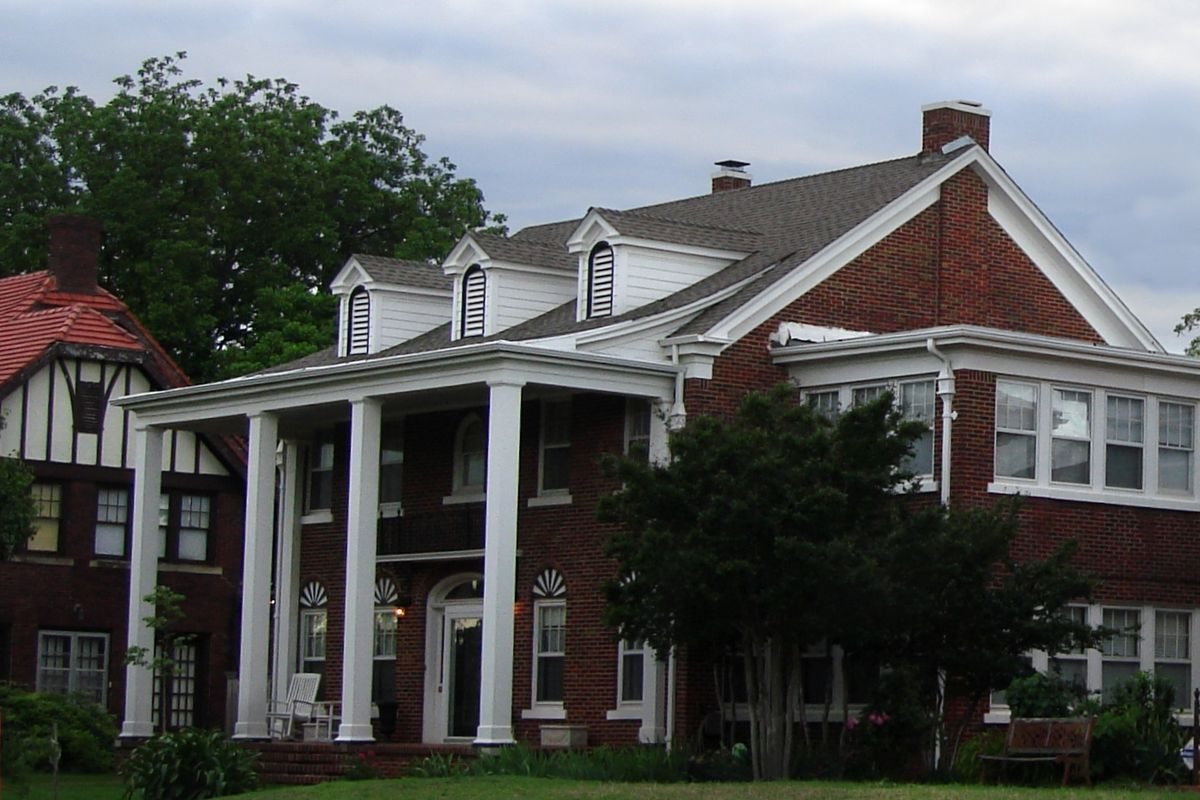
Insurance Documentation and Choosing Help in Sperry
Rural claims succeed on specifics. Insurers ask about systems, timelines, and discovery, and the file that answers cleanly is assembled during the work: the failed component photographed, dates on every picture, moisture mapping across the structure, and daily readings. Note your well and septic facts in the same record, and keep your own log of when signs appeared and what you shut off when. We produce the technical half of that file on every job, so a Sperry homeowner files evidence, not recollection.
Choosing help from a small community means borrowing the metro questions and adding the rural ones. Ask how the company finds, dries, and verifies crawl space and mold problems, and which industry standards guide the drying and remediation, IICRC S500 for water work and S520 for mold. Ask how well and septic properties are planned for, and listen for the shutoff and disposal details that show experience. Ask what documentation you will hold at the end. Sperry is small enough that a company reputation arrives before its truck does; your questions should confirm the one you want repeated, and pass it on the same way.
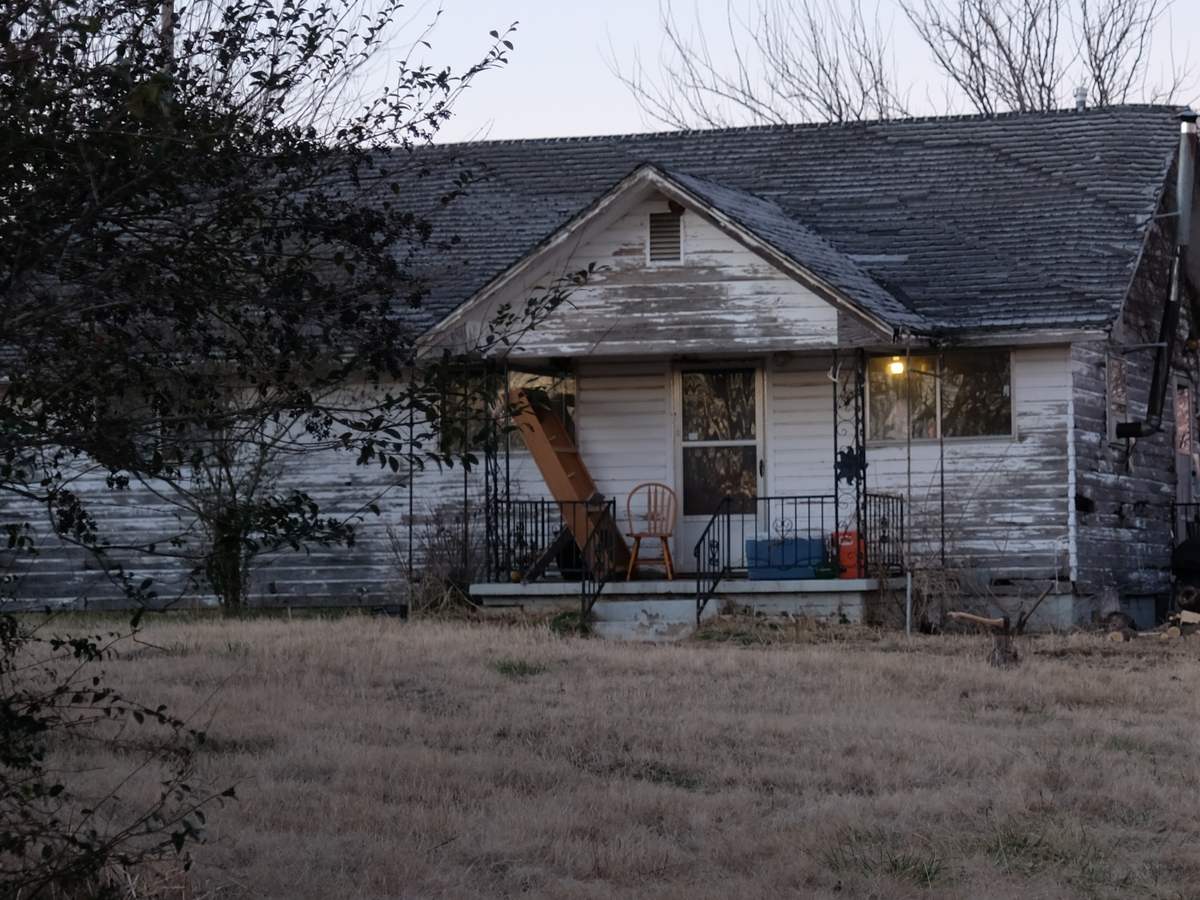
Water damage in Sperry? Start with one call.
Call (918) 578-1166 and tell us what happened and where in Sperry you are. We extract, dry, and document the loss, and we explain each step before we do it.
Water Damage Causes We See in Sperry
Sperry water runs through older pipes and collects under older homes, on well and septic properties near Bird Creek. These cause pages lead with crawl spaces and burst pipes and cover the rest of the rural list from there.
Main Water Damage Services in Sperry
Every Sperry call runs through the same main services: emergency response, residential and commercial restoration, and round the clock cleanup. The pages below explain each one in full.




Nearby Communities We Serve
Sperry sits on the road between Tulsa and Skiatook, with Turley below it and the lake country above. Each nearby page is written for its own ground, because a rural well property and a city suburb home are different work.
Return to the water damage restoration Tulsa OK home page for the full process, cause, mold, and insurance pages, see all service areas, or start with emergency water damage restoration if water is active right now.
Water Damage Questions from Sperry Homeowners
What water damage is most common in Sperry?
The rural older infrastructure list. Sperry homes run older plumbing on older foundations, many over crawl spaces, and a large share of properties draw water from wells and drain to septic systems. The calls follow: burst and leaking pipes, crawl space water from runoff and groundwater, water heater failures, and septic or drain backups. Bird Creek runs through the Sperry area, so the low ground near the creek adds genuine flood exposure after heavy rain. Nothing on the list is exotic; the Sperry difference is systems age and distance, which reward homeowners who inspect before things fail.
How does a well water system change a plumbing emergency in Sperry?
Your well pump will feed a burst line at full pressure until it is shut off, because unlike a city meter, nothing downstream notices or limits the flow. That makes two pieces of knowledge worth more than any tool on a rural property: where the pump breaker is, and where the main shutoff valve sits. During a response, well water also sets the cleanup budget and a septic system sets how much water drains can take. When you call, say the property is on well and septic; the crew plans water use and disposal around it from the first hour instead of discovering it mid job.
Why do Sperry crawl spaces stay wet?
Three feeds, usually combined. Runoff from the lot reaches the foundation because rural grading is often informal, a slope here, a drive there, and water finds the low path under the house. Groundwater follows the creek bottoms and wet seasons, rising into low crawl spaces. And older plumbing drips quietly from above for months at a time. A wet crawl space then does what it does everywhere: wets joists and subfloors, grows mold, and perfumes the house with musty air. The fix is sequential, find the feeds, stop or divert them, dry the space and the structure, and verify with readings.
Does Bird Creek flooding reach Sperry homes?
Along the low ground, yes. Bird Creek winds through the Sperry area on its way toward the Verdigris, and after the biggest Green Country rains its bottomland carries real flood water, with the Tulsa area 2019 event as the standing example of what creek systems here can do. Most Sperry homes sit on higher ground and will never meet the creek at the door, but properties near the bottomland should know their elevation, keep the crawl space and any basement on a post storm check list, and treat a rising creek forecast as the signal to move what can be moved.
What should I check on my Sperry property each fall?
Run the rural winterization round before the first freeze. Insulate exposed pipe in crawl spaces and outbuildings, confirm the well house is heated or sealed, shut off and drain water to any building that will sit empty, and clean gutters so fall rain moves away from the foundation. Test the pump shutoff once a year so the knowledge is current when it matters. Most Sperry freeze calls follow the same script: a line in a place nobody looked, running on a well nobody switched off, discovered in the morning. The fall walk is how you rewrite it.
Will insurance cover old pipe failures in Sperry?
The event decides, not the age of the pipe. A sudden burst is the kind of accidental event most homeowners policies are written to respond to. A line that has seeped for a season presents the gradual damage problem those policies usually exclude. The file that separates the two is built during the response: the failed line photographed, dated pictures of the affected areas, moisture mapping, and daily readings. Rural claims also benefit from your own notes on well and septic details. Your insurer applies your policy; we make sure the facts they apply it to are documented and complete.
One call starts extraction and drying.
Talk to a Tulsa area dispatcher now about your Sperry property. You will get clear next steps and documentation from the first visit.