Tulsa, OK - 24/7 Emergency Service
Water Damage Restoration Collinsville OK
Collinsville is a small town in north Tulsa County with an established housing center and growing edges. Aging plumbing, crawl spaces, and a full Green Country weather calendar shape its water damage work, on streets the crew already knows by name, with crawl spaces entered as routine.
- Established homes with mixed era plumbing
- Pier and beam sections with crawl spaces
- Newer subdivisions adding slab construction
- Small town lots, outbuildings, and low ground drainage
Crews who know Tulsa County housing, soil, and storm patterns dry buildings faster, because the plan fits the building from the first visit.
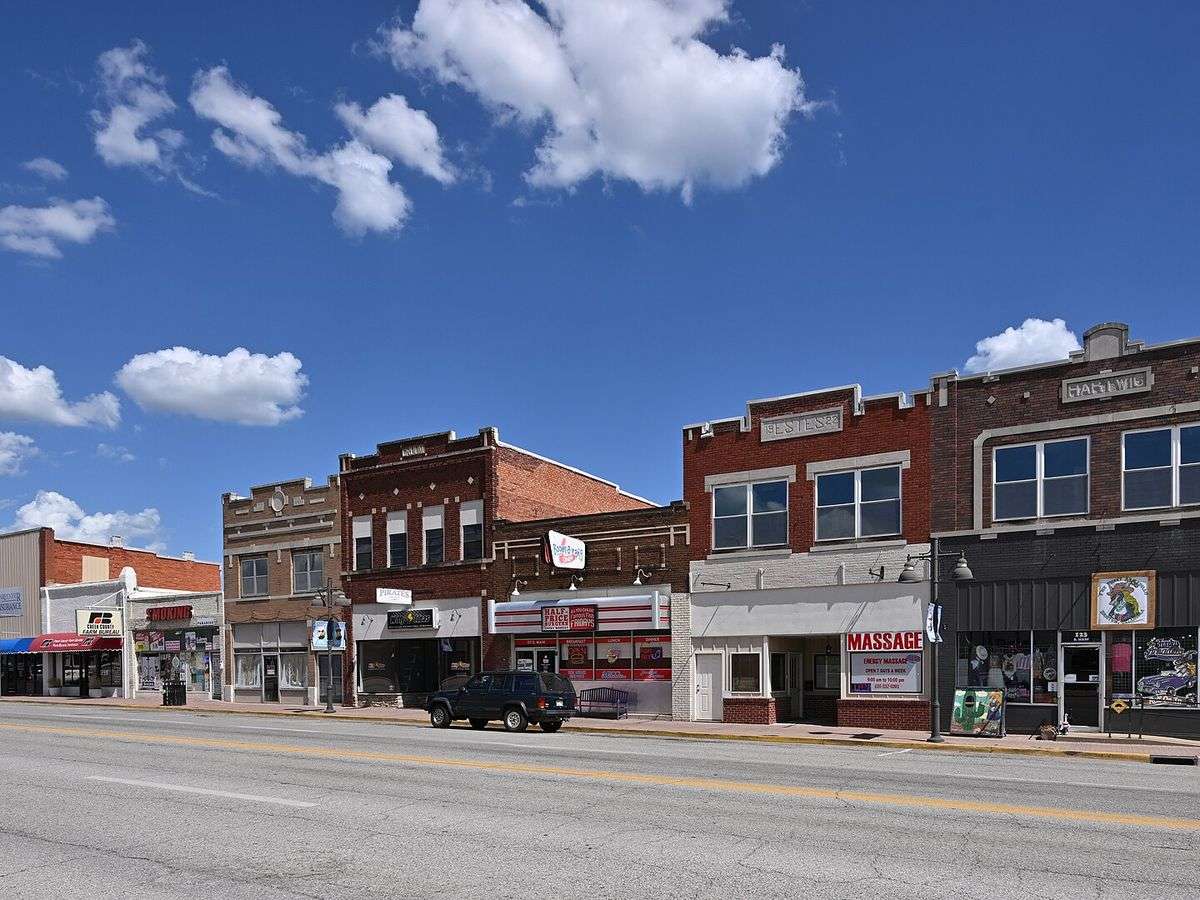
Small Town Stock: Collinsville Housing, Old Town and New Edges
Collinsville grew up as a railroad and farming town in the northern Tulsa County hills, and its center still reads that way: a compact main street, established neighborhoods of homes built across the early and middle 1900s, and the mature trees and deep lots of a town that was complete before suburbs were invented. Many of those homes sit on pier and beam foundations with crawl spaces, plumbed and wired in stages over generations. Around that center, growth has added the newer pattern, subdivisions of slab on grade homes for families who want small town streets inside the metro commute.
Water damage in Collinsville follows the same divide. The established center fails by age: corroding lines, tired water heaters, sewer laterals with root intrusion, and roofs carrying decades of hail. The new edges fail by design generation: slab leaks, appliance lines, and upstairs plumbing. Both halves share the ground and the weather, clay soil that moves with the seasons, creeks that rise after heavy rain, and a storm calendar that tests every roof in town at once each spring.
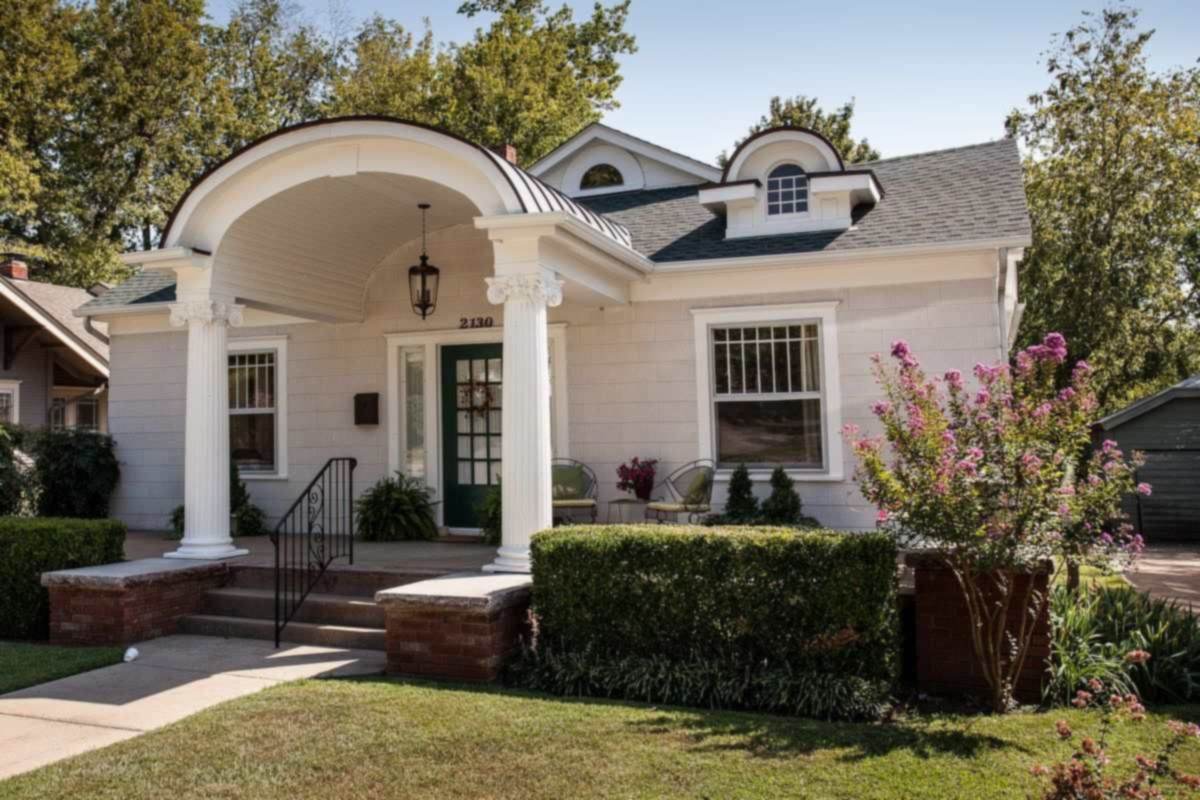
Where Water Gets In Across Collinsville
Crawl spaces collect the Collinsville evidence. Every slow drip from aging plumbing, every storm that grading sends under a pier and beam home, and every groundwater rise ends up in the dark under the floor, wetting joists and subfloors and growing mold where nobody looks. By the time a floor inside feels soft or a room smells musty, the crawl space has usually been wet for a while. That is why Collinsville assessments treat the space below the house as a room of the house, with readings, instead of an afterthought with a flashlight.
The rest of the list is the Green Country standard with small town weights. Burst pipes arrive with hard freezes and ice storms, which hit exposed crawl space and outbuilding lines first. Roof leaks follow hail seasons and hide in attics and ceiling assemblies. Water heaters fail in closets and garages across every era of housing. Slab leaks surface in the new subdivisions as warm floors and unexplained bills. The cause pages below lead with pipes and crawl spaces, the Collinsville order, and cover the full list from there.
Outbuildings and detached garages deserve their own mention, because Collinsville lots carry more of them than most metro addresses. A supply line to a detached garage, a water heater in an outbuilding, or a laundry shed plumbed years ago can leak for a season before anyone walks in. During freezes, these spaces go cold first and burst first. A fall walk of the outbuildings, looking for drips, stains, and lines without insulation, catches most of the small town inventory before winter tests it.
How a Collinsville Water Damage Call Proceeds
1. Tell us the era, the foundation, and the signs
A 1940s pier and beam home with a musty smell and a 2015 slab home with a warm floor are opposite ends of the Collinsville map. Age, foundation type, and what you have noticed point the crew at the right first checks.
2. Shut off water and make the scene safe
Close the valve or the main for plumbing failures, and remember outbuilding and well lines on small town lots. Keep clear of electrical hazards in standing water, and treat sewage as contaminated space until assessed.
3. Extract standing water, above and below the floor
Rooms get extracted and crawl spaces get drained. In Collinsville the second half of that sentence carries the job, because water left under the house rewets everything dried inside it.
4. Map the moisture through the whole structure
Readings cover floors, walls, joists, and subfloor. In established homes the map usually finds the older, quieter problem behind the obvious one, which is the finding that saves the floor system.
5. Dry house and crawl space as one system
Dehumidification and airflow sized for the combined load, verified daily at both levels. If runoff keeps arriving under the house, the grading and drainage conversation joins the plan.
6. Document and verify the result
Dated photos, moisture maps, and final readings close the file, and give an older home something it rarely has: a measured baseline for the next time a floor feels different.
Drying Established Collinsville Homes Without Losing Their Fabric
The older Collinsville housing stock holds the materials that reward careful drying: solid wood floors, dimensional lumber framing, doors and trim built to be repaired rather than replaced. Moisture mapping decides, material by material, what dries in place, hardwood frequently can, with controlled mats and time, and what genuinely cannot. Pier and beam access helps: floor systems can be dried from below as well as above, which is an advantage slab homes never offer and a reason not to waste it with delay.
The crawl space sets the ceiling on all of it. Drying a house over a soaked crawl space is temporary by definition, because the space breathes its moisture back into the structure every day. The complete job dries both, verifies both with readings, and addresses what feeds the space, failed vapor barriers, grading that aims at the foundation, plumbing drips found during mapping. Collinsville has a century of these homes standing on that formula, maintained by owners who caught the small problems. Restoration, done right, is that same habit with better instruments.
One Collinsville specific caution belongs in the drying plan: galvanized supply lines in the older stock. They rust from the inside for decades, and a drying job that finds them already weeping at threads and fittings is finding the next event, not the last one. We document what we see and say so plainly, because drying the room while the pipe that feeds it is failing on a timer is nobody honest answer. Replacement is a plumber trade, and it is worth scheduling before the ceiling proves the point.
Insurance Documentation and Choosing Help in Collinsville
Established homes generate the duration question in every claim: sudden event or slow decline? The answer is a documentation matter, and it is built during the response: the failed component in place, dated photos before anything moves, a moisture map of the true footprint, and daily readings that show a loss being dried rather than discovered late and left. We produce that record as routine, so a Collinsville homeowner can show an adjuster exactly what happened, in the order it happened.
Choosing help from a small town has a built in advantage: reputation is local and checkable. Ask your neighbors, then ask the companies the questions that test method. How is hidden water found, and is the answer meters and imaging? What standard governs the drying, the IICRC S500 framework? How are crawl spaces handled and verified? What will you hold in writing at the end? A company that answers those plainly, including saying when part of a problem belongs to a plumber or a drainage fix instead of to them, is the company small towns keep, and the one whose truck you will see on your street for years.
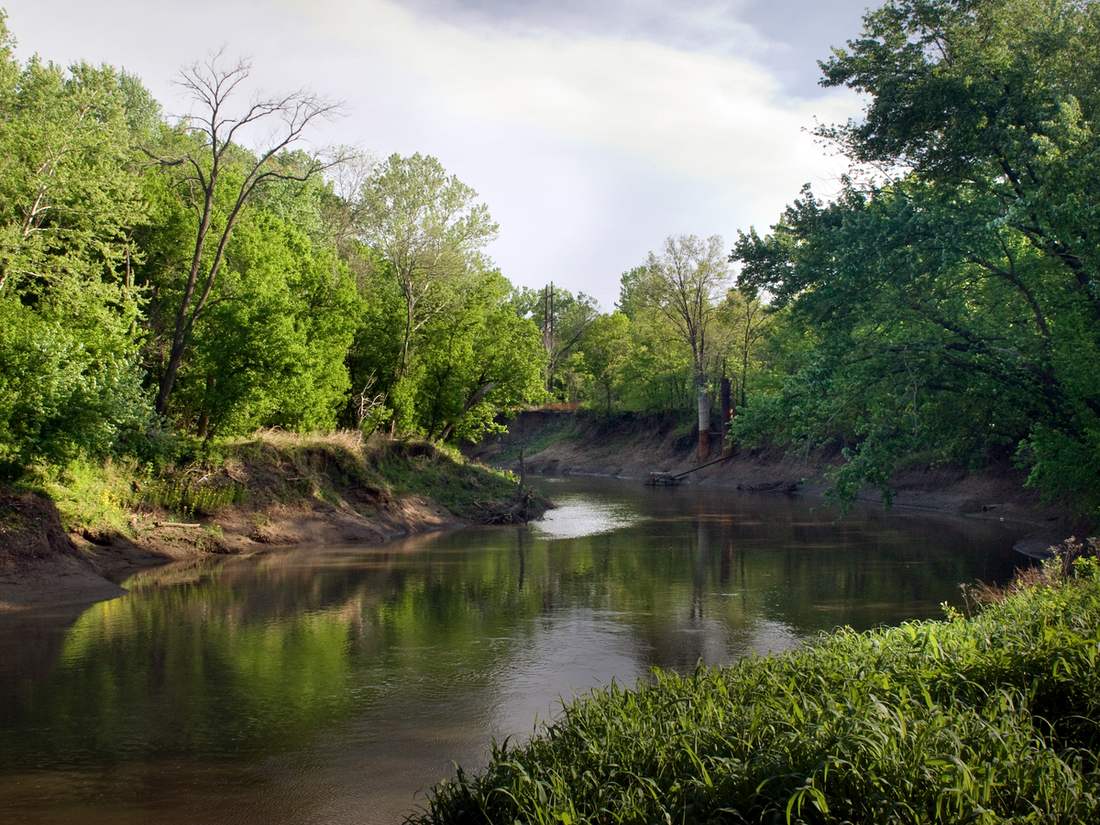
Water damage in Collinsville? Start with one call.
Call (918) 578-1166 and tell us what happened and where in Collinsville you are. We extract, dry, and document the loss, and we explain each step before we do it.
Water Damage Causes We See in Collinsville
Collinsville water starts in its aging systems and collects under its pier and beam homes. These cause pages lead with burst pipes and crawl spaces, then cover the roofs, heaters, and slab leaks of the newer edges.
Main Water Damage Services in Collinsville
Every Collinsville call runs through the same main services: emergency response, residential and commercial restoration, and round the clock cleanup. The pages below explain each one in full.



Nearby Communities We Serve
Collinsville sits in the north Tulsa County hills between Owasso below it and Skiatook and Oologah up the road. Each nearby page is written for its own community, because small town cores and lake country produce different work.
Return to the water damage restoration Tulsa OK home page for the full process, cause, mold, and insurance pages, see all service areas, or start with emergency water damage restoration if water is active right now.
Water Damage Questions from Collinsville Homeowners
What water damage is most common in Collinsville?
The established home list. Much of Collinsville housing was built across the middle of the last century and has been maintained in stages ever since, so the calls run to aging supply and drain plumbing, water heaters at the end of their service, roofs with long hail histories, and crawl spaces under the pier and beam sections of town. Newer growth at the edges adds slab homes and their modern failures. The pattern to know is that in an established home, the visible failure is often the second problem; the first was quietly dripping, seeping, or rusting somewhere out of sight.
Why do Collinsville homes have so many crawl space issues?
Because so many of them have crawl spaces, and crawl spaces collect every water story a house has: plumbing drips from above, runoff that grading sends under the foundation, and groundwater after heavy rain. North Tulsa County ground drains toward the creeks that feed the Verdigris and Caney systems, and low lots hold water under homes longer than the yards suggest. The space stays dark, still, and humid, which is precisely what mold orders. A crawl space that is checked after storms and after any interior plumbing leak stays a minor topic; one that is never entered becomes a floor system problem.
Collinsville is growing. Do newer homes here have different risks?
Yes, the standard newer home set. Slab on grade construction brings slab leaks that surface as warm spots or bill spikes, upstairs laundry and bathroom overflows in two story plans, and appliance supply lines as the leading interior causes. The difference from the older center is not the amount of water; it is where it hides. Under modern flooring over a slab, water travels quietly and shows late, which makes moisture mapping the key step. If you are in one of the newer Collinsville subdivisions, the slab leak signs listed on that cause page are worth knowing by heart.
How does Collinsville weather drive water damage?
The same Green Country calendar as the rest of the metro, played on small town ground: spring storms with wind driven rain, hail, and tornado risk; summer humidity that makes any interior water event a mold race; fall and winter freezes that find exposed lines in crawl spaces and outbuildings; and heavy rain events that push the local creeks up and hold water on low lots. Collinsville also sits far enough north that ice storms have written some of its hardest chapters, freezing and bursting pipes across whole neighborhoods in the same night.
Should I worry about the trees around my Collinsville home?
Only where they reach the systems. Mature trees on small town lots are part of Collinsville charm and part of its water history. Roots seek sewer laterals and drain lines, and older clay or cast iron laterals crack and invite them in, which is the usual route to a Collinsville sewer backup. Overhanging limbs drop debris into gutters, overflowing them against the foundation line in every hard rain. The trees are not the problem; the lines and gutters are, and both are checkable. A camera scope of the lateral and a ladder look at the gutters each fall costs little and prevents the class of damage that ruins finishes.
Will insurance cover a pipe that bursts in an older Collinsville home?
A sudden burst is the kind of event most homeowners policies are written around, at any home age. The harder files are the slow ones, where a line has seeped for months and the damage is gradual, because policies usually exclude long term leaks and maintenance. The difference is documentation: the failed component photographed, dated pictures, moisture mapping that shows how far the water went, and readings through the drying. Your insurer decides the claim from your policy. Our file is built to give them the event as it actually was, not as it was remembered.
One call starts extraction and drying.
Talk to a Tulsa area dispatcher now about your Collinsville property. You will get clear next steps and documentation from the first visit.