Tulsa, OK - 24/7 Emergency Service
Water Damage Restoration Turley OK
Turley is an unincorporated community on Tulsa north side, in creek drained low ground with an older housing stock. Basements, sewers, and foundations carry its water story more than any suburb in the metro.
- Older housing stock with aging plumbing and sewer laterals
- Basements and crawl spaces in creek drained low ground
- Bird Creek tributary flooding after heavy rain
- Foundation water from decades of clay soil movement
Crews who know Tulsa County housing, soil, and storm patterns dry buildings faster, because the plan fits the building from the first visit.
Older Stock in Low Ground: The Turley Housing Profile
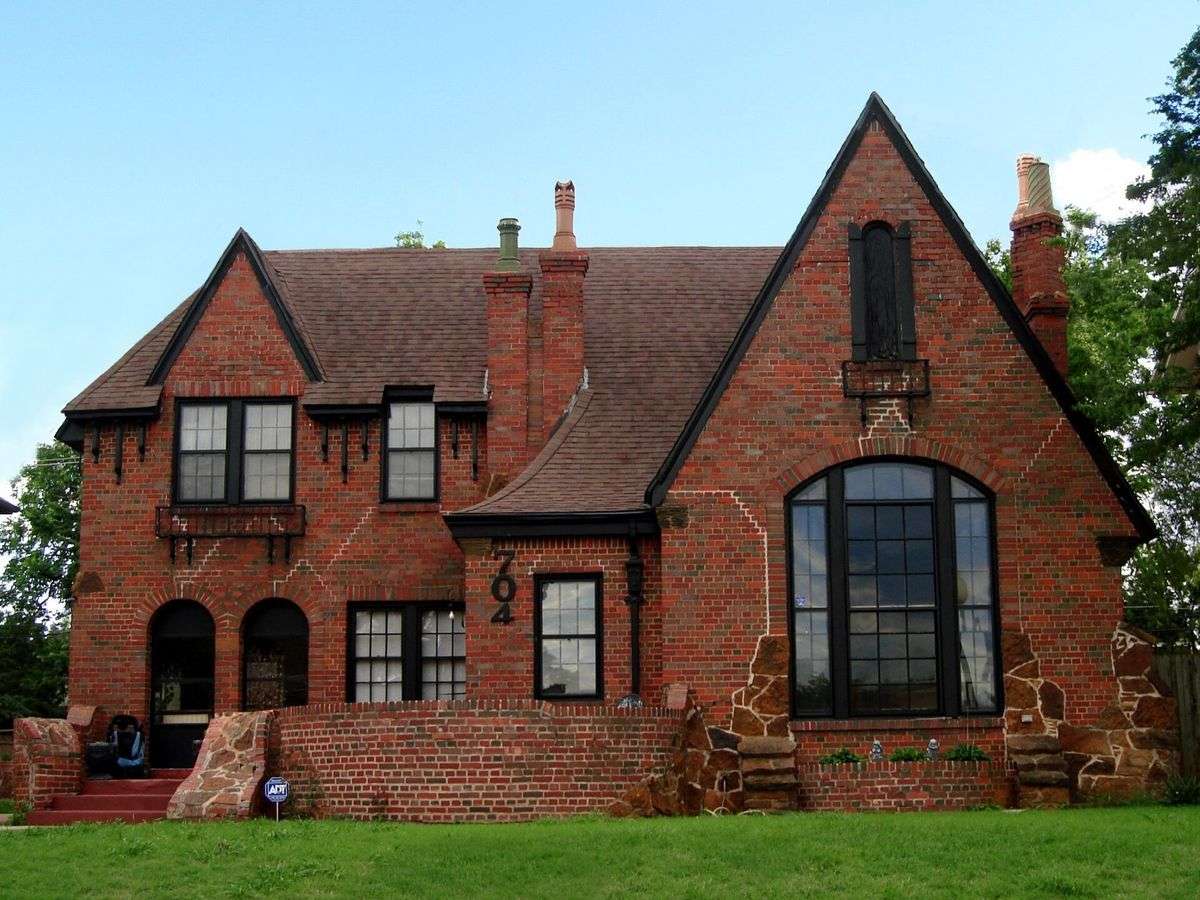
Turley is not a suburb and never became one: an unincorporated community directly north of Tulsa, built up over the last century along the roads and creek bottoms of the Bird Creek drainage. Its housing is the oldest average stock in this entire service area, small and mid sized homes from the early and middle 1900s onward, many with basements or crawl spaces, plumbed and drained with systems that have been repaired in stages for as long as the houses have stood. There are no master planned subdivisions here, no new construction buffer; Turley is established homes, established problems, and neighbors who know both.
That profile demands honesty about scope. In Turley, water events frequently arrive with a history: the basement that has seeped for years before it flooded, the sewer lateral that has been slow for a decade before it backed up, the crawl space that has been damp since before the current owner arrived. Restoration here is as much archaeology as drying, separating the new event from the accumulated conditions, because the fix that lasts has to address both. Pretending every Turley job is a fresh accident in a new house helps nobody who lives in one.
Where Water Gets In Across Turley
Creek water and groundwater lead. Bird Creek and its tributaries drain the Turley area, and when they rise, the low neighborhoods feel it first at the foundation: basement walls weeping at joints and cracks opened by generations of clay movement, crawl spaces filling from below, sump systems overwhelmed or absent. The heaviest rain events have put Turley streets under water within living memory, and the groundwater version of the same events reaches blocks the creek never touches. Low ground is the defining Turley fact, and every water conversation here starts with elevation.
The systems list follows close behind. Sewer backups from aging, root intruded laterals are a standing Turley problem, made worse when storm water surcharges older lines. Burst pipes and failing water heaters work through the older housing stock on schedule. Roof leaks accumulate where maintenance has been deferred, hiding in attics and ceilings. And under everything, the foundation cracks that clay soil opens decade by decade keep admitting the groundwater that the creek system supplies. The cause pages below lead with basements, sewers, and crawl spaces, the Turley order of need.
There is also the deferral factor, which Turley deserves honesty about. Circumstances, cost, tenants, estate situations, keep some Turley properties in a state where small leaks run long before anyone calls. When they do call, the scope is bigger: more materials compromised, more mold established, more structure involved. The right response to that reality is not a lecture but a plan, triage by reading, restore what returns to standard, remove what cannot, and leave the property with a written routine that keeps the next small problem from becoming another large one. Restoration that understands Turley economics is restoration Turley can actually use.
How a Turley Water Damage Call Proceeds
1. Tell us the water source and the history honestly
First time or fifth time? Creek water, groundwater, sewer, or a pipe? In Turley, the history is diagnostic gold: it tells the crew whether to plan a drying job, a pattern investigation, or both, before anyone arrives.
2. Make the scene safe and stop what can be stopped
Plumbing failures get shut off at the valve or main. Creek, groundwater, and sewage events get treated as contaminated space: keep people and pets clear, respect electrical hazards, and do not run fans across sewage.
3. Pump out and extract every below grade space
Basements get pumped, crawl spaces drained, and floors extracted. In low ground, the water under and behind the house matters as much as the water in it, and it all gets checked.
4. Map the moisture and the entry points
Readings define the footprint, and the entry pattern, joints, cracks, floor drains, or a failed line, gets documented precisely. In Turley that pattern record is the difference between a plan and a repeat appointment.
5. Dry, treat by category, and verify
Drying follows the map with daily readings. Sewage touched materials follow the contaminated protocol, removal, cleaning, disinfection, rather than the drying plan. Mold, where standing water gave it time, joins the sequence.
6. Document the event and the pattern
The file holds dated photos, entry points, maps, and final readings. Where a pattern fix belongs to drainage, foundation, or sewer work by other trades, the record says so plainly, in writing, so it can actually get scheduled.
Drying Turley Basements and Crawl Spaces: Events Versus Patterns
The technical work in Turley is standard and demanding at once. Basements dry with pumps, extraction, and dehumidification sized for below grade loads, with wall bases and floor systems read until the numbers hold. Crawl spaces get drained, dried at the joists, and assessed for the mold that long dampness grows. Materials touched by creek or sewer water follow category rules, not thrift: what contaminated water soaks into porous material is removed and the structure cleaned, because drying contamination in place is not a service, it is a postponement.
Then comes the Turley conversation: what happens at the next rain. A basement dried without a sump where a sump is needed, a foundation crack documented but never sealed, a lot that grades toward the house, these are appointments with the next storm. The restoration plan names them, separates what this crew does from what a drainage or foundation contractor does, and puts it in the job record. Turley homeowners have heard promises before; a written pattern list, with the drying verified by readings beside it, is a different and more useful document.
Rental properties are a real Turley chapter and deserve a direct word. Older Turley rentals often pair an older structure with an absentee owner and a tenant who reports slowly, which is how a manageable drip becomes a floor replacement. Landlords who schedule seasonal inspections, respond to the first tenant report instead of the third, and keep shutoff locations posted in the utility room spend far less on water than those who do not. The same written routine we leave at owner occupied homes gets built for the rental: what to check, when, and who holds the keys.
Insurance Documentation and Choosing Help in Turley
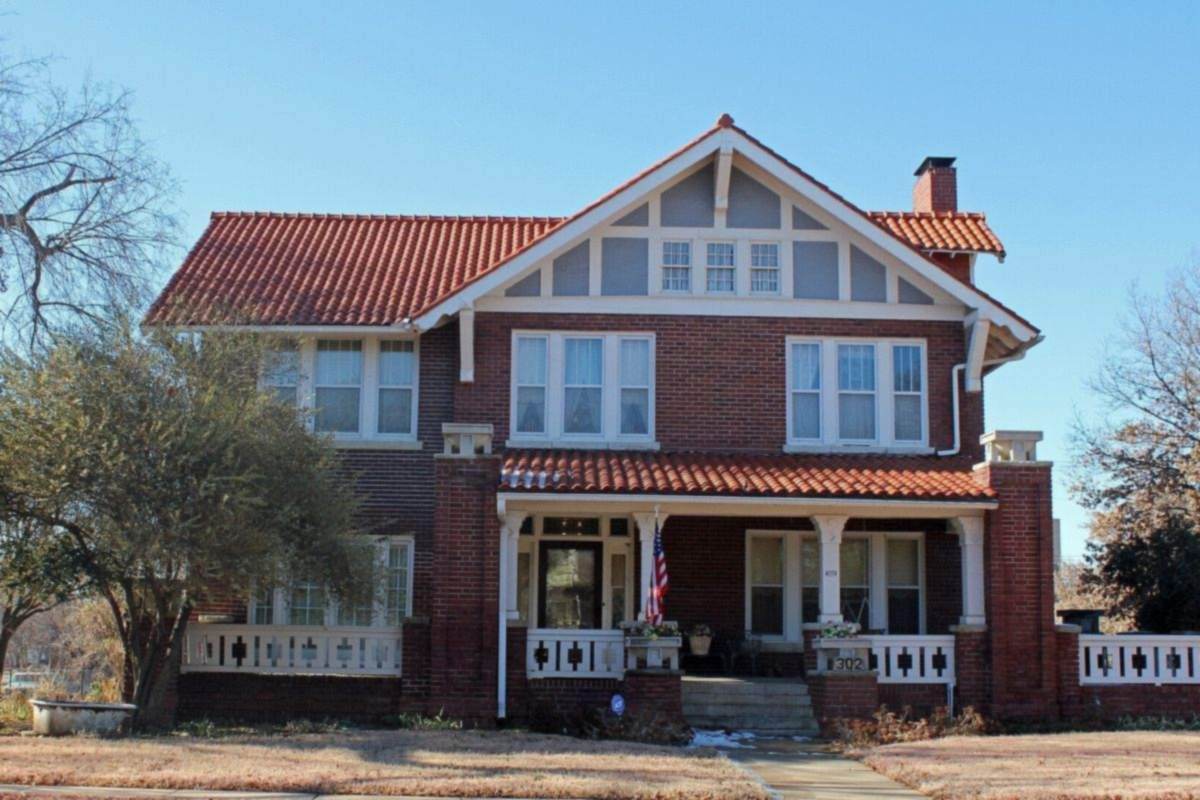
Turley files are source files. Creek water, groundwater, sewer backup, and sudden pipe failure can all present as a wet basement, and they live in different coverage worlds, flood policy, endorsement, homeowners, or excluded gradual loss. The only thing that sorts them is evidence gathered during the event: where the water entered, dated photos with water lines, the moisture map, and readings. We build that record on every job because in Turley it is not paperwork; it is the substance of the claim itself, whatever the claim turns out to be.
Choosing help here means choosing candor. Ask any company whether they will tell you when the real problem is drainage, foundation, or a sewer lateral, even though that work belongs to someone else. Ask how contaminated water is handled, and listen for removal and disinfection, not drying and deodorizer. Ask what standard governs the work, the IICRC S500 and S520 frameworks, and what you will hold in writing. Turley has enough water history to be tired of salesmanship; the companies worth hiring here are the ones that bring meters, records, and straight answers.
Water damage in Turley? Start with one call.
Call (918) 578-1166 and tell us what happened and where in Turley you are. We extract, dry, and document the loss, and we explain each step before we do it.
Water Damage Causes We See in Turley
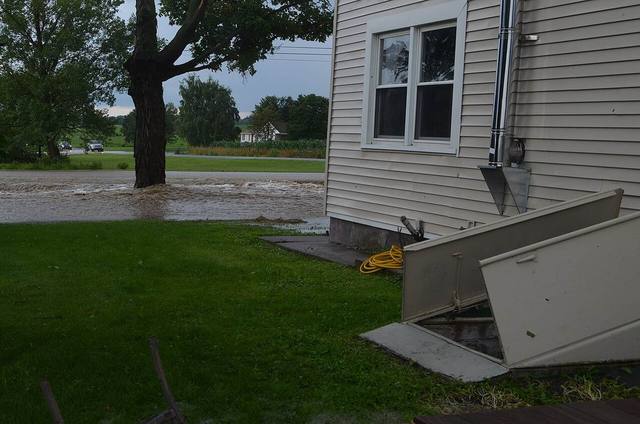
Turley water starts below the house: creek fed basements, sewer laterals at the end of their service life, and crawl spaces in low ground. These cause pages follow the order Turley homeowners actually live them.
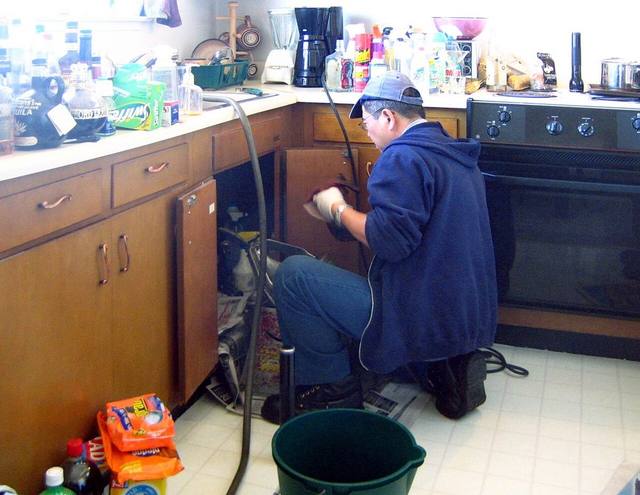
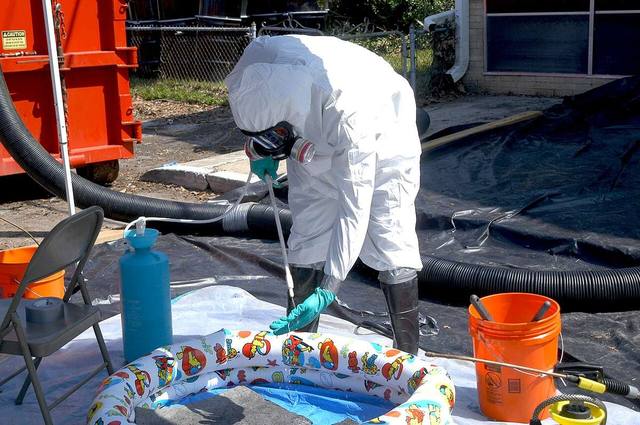
Main Water Damage Services in Turley
Every Turley call runs through the same main services: emergency response, residential and commercial restoration, and round the clock cleanup. The pages below explain each one in full.



Nearby Communities We Serve
Turley sits between Tulsa below it and Sperry and Skiatook up the Bird Creek corridor. Each nearby page stands on its own facts, because an unincorporated creek bottom community and a planned suburb are different worlds of water.
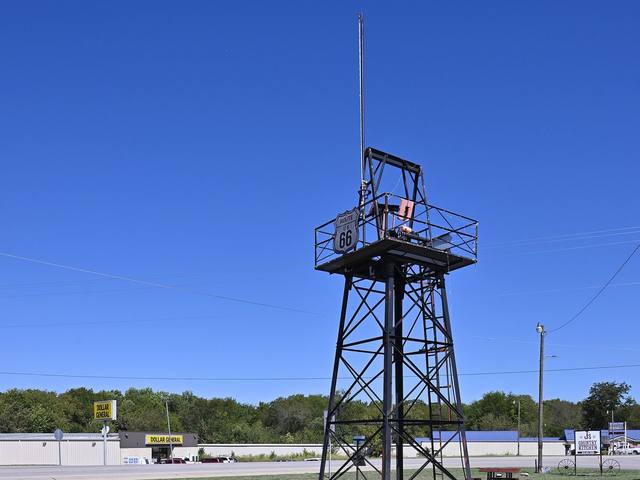
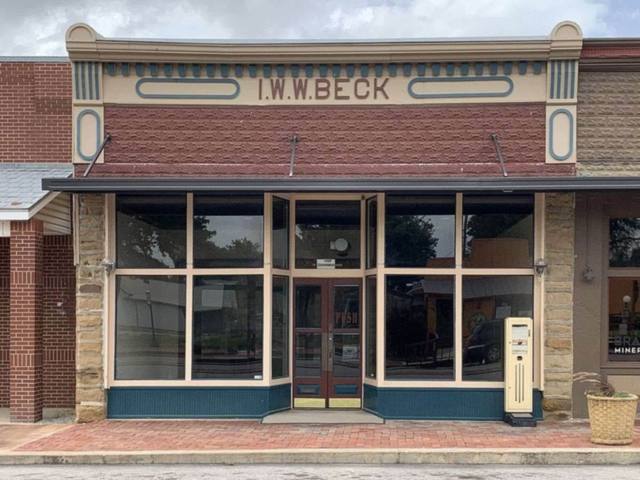
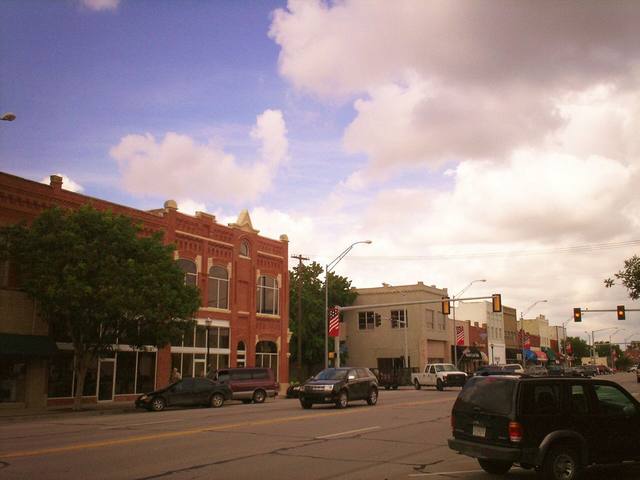
Return to the water damage restoration Tulsa OK home page for the full process, cause, mold, and insurance pages, see all service areas, or start with emergency water damage restoration if water is active right now.
Water Damage Questions from Turley Homeowners
What water damage is most common in Turley?
The older housing list, intensified by water nearby. Turley homes are predominantly older construction, and the calls run to flooded basements and crawl spaces after heavy rain, sewer backups from aging laterals, burst and leaking pipes, and foundation water where decades of clay movement have opened the way in. Turley also has a higher share of homes where maintenance has been deferred by circumstance, which means small leaks have often been running longer when help is called. None of that changes the response; it changes the expected scope, and honest assessment matters more here than optimism.
Why does Turley flood more than other parts of the metro?
Geography and infrastructure age. Turley sits in the low ground north of Tulsa where Bird Creek and its tributaries drain a wide area, and the flattest neighborhoods sit close to those channels. When the creek system rises after heavy rain, the lowest streets and lots take water, and basements and crawl spaces across a much wider area take groundwater. Older drainage infrastructure moves storm water away more slowly than modern subdivision systems. The result is a community where a regional rain event becomes a neighborhood water event more readily, and where knowing your lot elevation is practical knowledge, not trivia.
My Turley basement takes water in big rains. What are my real options?
Separate the event from the pattern, because they have different fixes. The event, water in the basement now, gets pumped, extracted, dried to standard, and treated for whatever category the water carried. The pattern is water management: sump pump capacity and backup power, where the foundation admits water, how the lot grades, and whether gutters and drains are moving roof water away or delivering it to the foundation wall. Some of that is restoration work; some belongs to drainage and foundation trades, and we will tell you plainly which is which. What does not work is drying the basement and changing nothing, then meeting again next season.
Are sewage backups a particular problem in Turley?
They are a regular one. Older sewer laterals, clay and cast iron lines with generations of root intrusion and soil movement behind them, serve much of Turley housing stock, and heavy rain can surcharge older systems as well. A backup is Category 3, contaminated water, and it is handled as such: porous materials it soaks generally come out, the space is contained and cleaned and disinfected, and the household stays clear of it until the work is done. If multiple drains back up together or you smell sewer gas when it rains, that is the system asking for attention before the next event does it for you.
Can a Turley basement be made reliable against creek flooding?
Better, rarely perfect, and the honest plan says so. Sump systems with real capacity and battery backup handle the groundwater and moderate events; foundation crack sealing stops the entries that the pump should never have to fight; grading and gutter work keeps roof water from joining the fight. Together those three turn a basement that floods often into one that floods rarely. What no sump fixes is a flood plain: at true flood levels, the achievable goal is a basement that dries fast and loses little, with contents raised and finishes chosen to survive wetting. We will tell you which ground your house stands on and plan for that ground.
Will insurance help with water damage in an older Turley home?
It depends on the source, as everywhere. Sudden interior failures, a burst pipe, a failed water heater, are the events most homeowners policies respond to. Rising creek water is flood, which needs its own policy. Sewer backup usually requires an endorsement. Gradual seepage is commonly excluded. The documentation decides how clearly your event can be placed: dated photos, the entry points, a moisture map, and readings. We build that record on every job as routine. Your insurer applies your policy to it, and in a community with Turley water history, a precise file is worth more than a loud argument.
One call starts extraction and drying.
Talk to a Tulsa area dispatcher now about your Turley property. You will get clear next steps and documentation from the first visit.