Tulsa, OK - 24/7 Emergency Service
Water Damage Restoration Coweta OK
Coweta is a Wagoner County small city east of Broken Arrow, where established neighborhoods meet rural properties on acreage. Older construction, crawl spaces, and well and septic systems define its water work, and the response plan is written for exactly those conditions, from the well pump to the crawl space hatch, and verified with readings on both sides.
- Established neighborhoods with older construction
- Pier and beam homes with crawl spaces
- Rural properties on wells and septic systems
- Newer growth adding slab homes at the edges
Crews who know Tulsa County housing, soil, and storm patterns dry buildings faster, because the plan fits the building from the first visit.
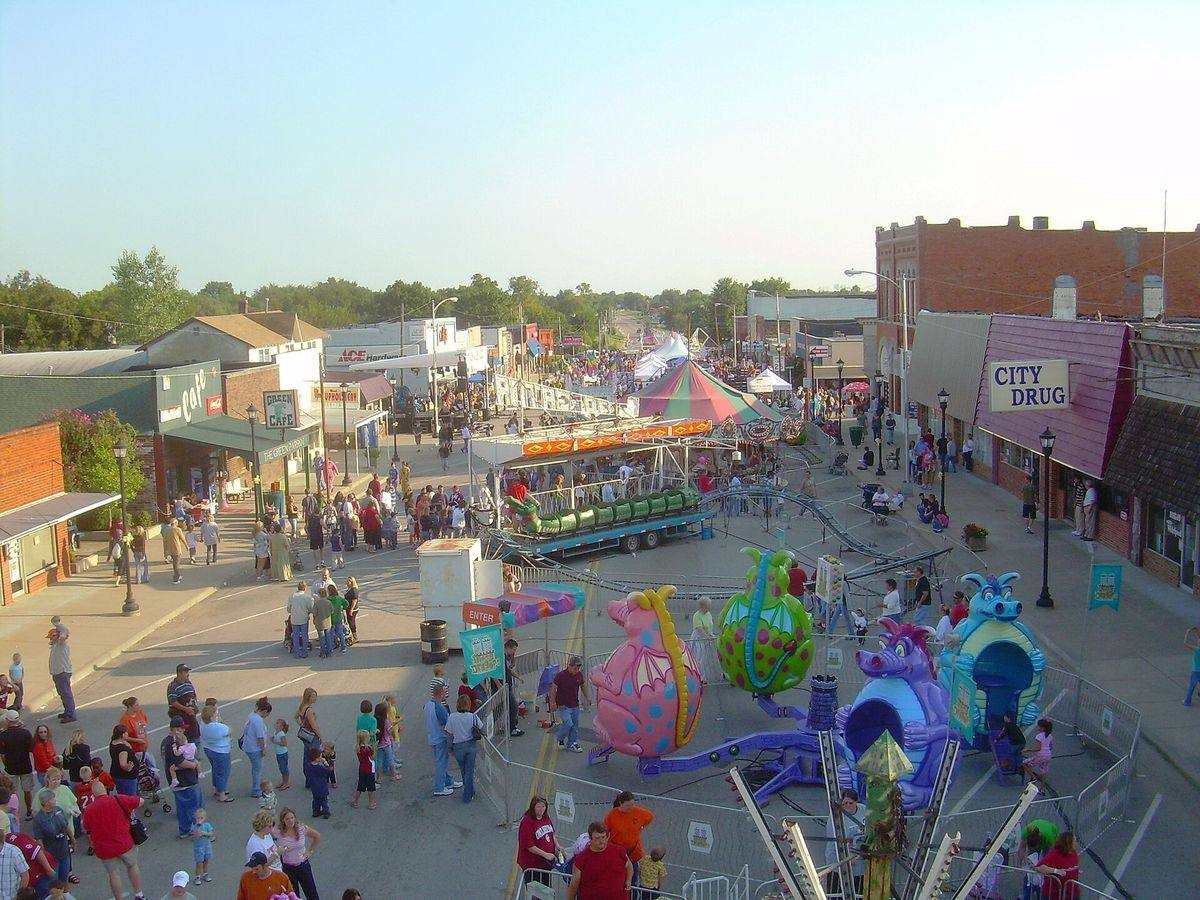
Small City, Rural Edge: Coweta Housing Mix
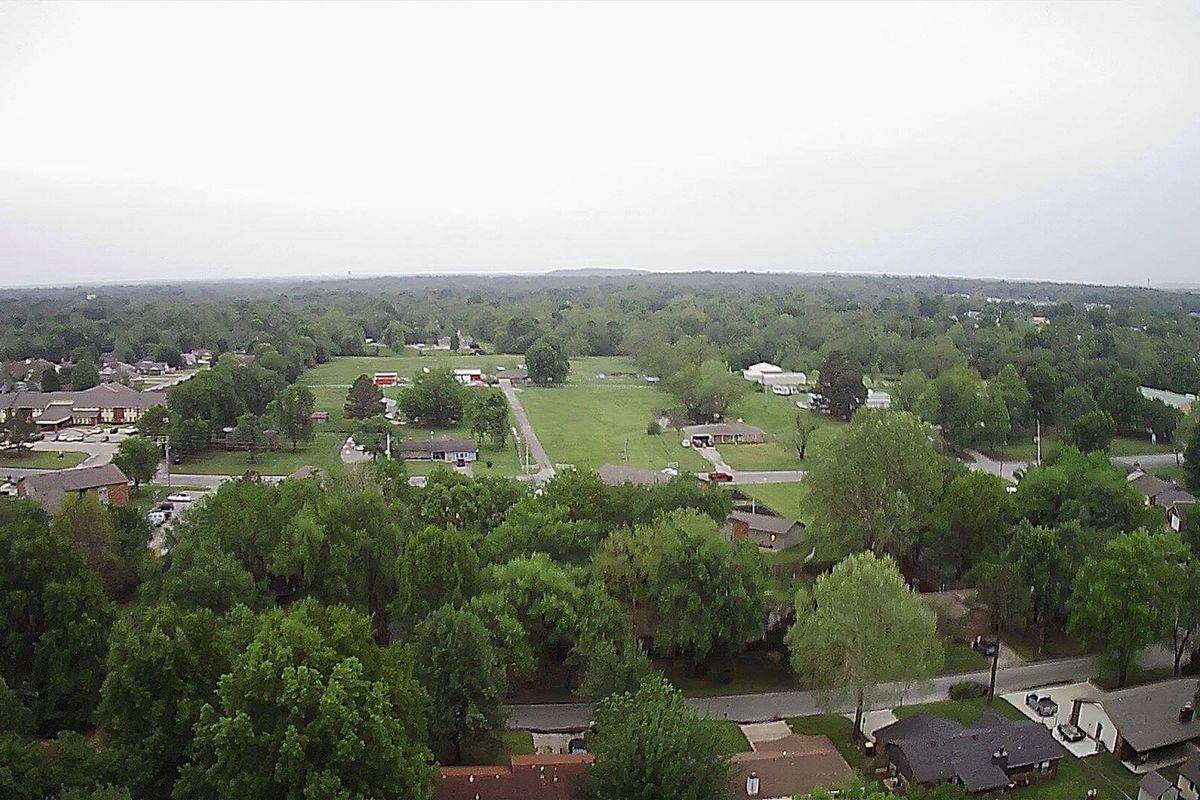
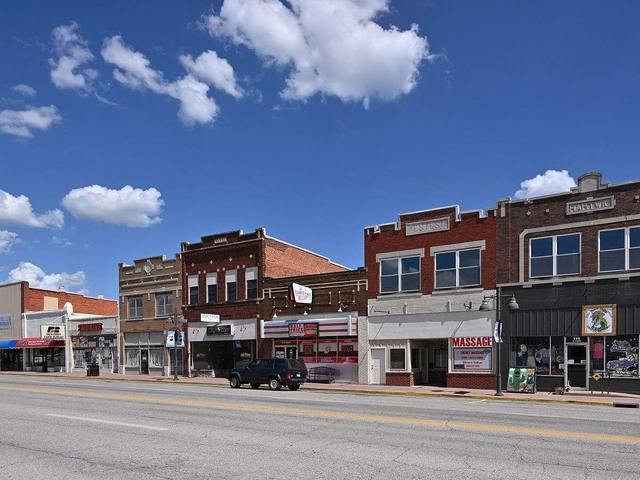
Coweta is the kind of Oklahoma city the metro grew around rather than over: a compact small city in Wagoner County with a Broadway main street, a fall festival that fills it, and neighborhoods of established homes, many built across the middle decades of the 1900s on pier and beam foundations. Beyond the city pattern, the lots widen into rural properties: acreage homes, barns and shops, well water, and septic systems. Growth from Broken Arrow side has started adding newer subdivisions, but Coweta’s center of gravity remains older, settled, and semi rural.
That mix writes the water damage profile. Established homes bring aging plumbing, crawl spaces, and roofs with long histories. Rural properties bring distance and self reliance: systems the homeowner maintains personally, outbuildings nobody enters daily, and leaks that can run longer before discovery. Newer edge subdivisions bring the modern slab list. A Coweta assessment starts by placing the property on that map, because the right first checks in a 1960s pier and beam home share almost nothing with a 2018 slab home except the water itself.
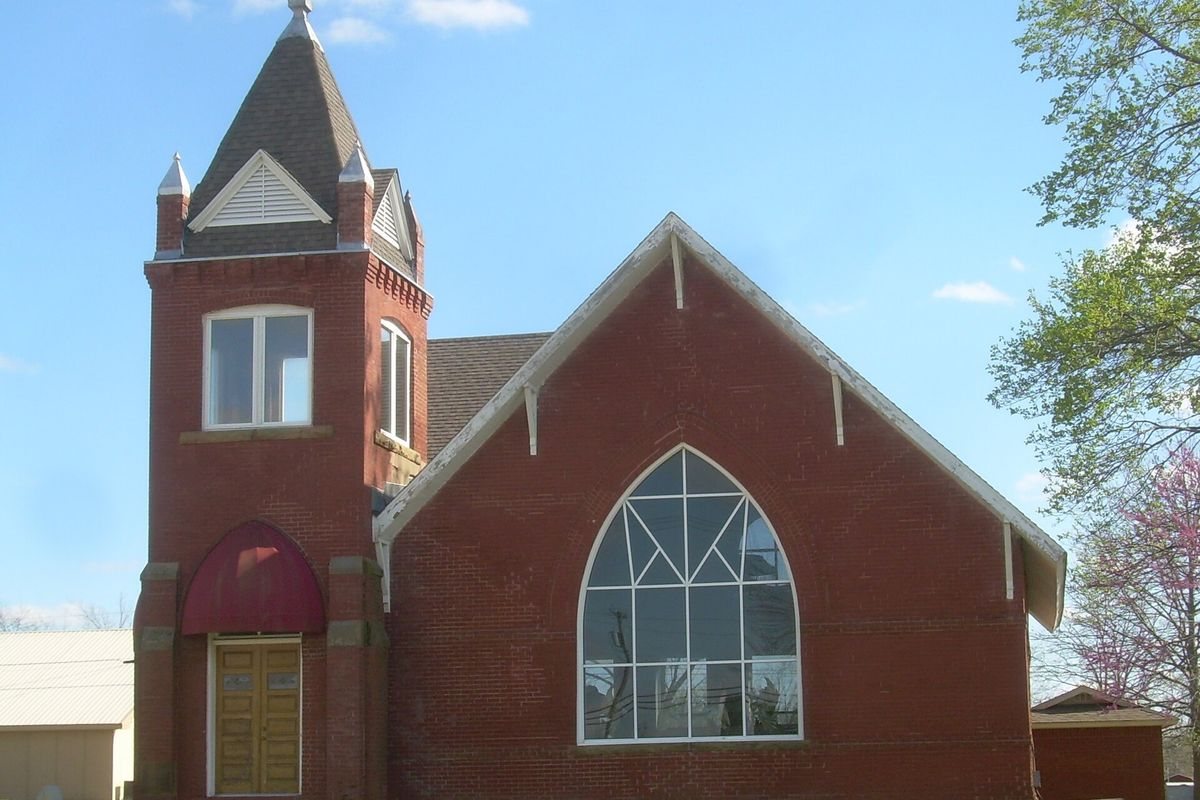
Where Water Gets In Across Coweta
Crawl spaces collect the Coweta story. Runoff from flat Wagoner County ground, plumbing drips from aging lines, and groundwater after heavy rain all end up under pier and beam homes, where they wet joists and subfloors and feed mold in the dark. Inside, the older systems fail on schedule: supply lines, drain lines, and water heaters that have served past their expected life. Sewage and septic backups appear on both city and rural properties, each with its own protocol, and each a contaminated category when it happens.
The sky contributes its share. Coweta storm seasons bring the Green Country standard, wind driven rain against older roofs, hail, and tornado risk, plus flash flooding on the low county roads and creek bottoms after the biggest rains. Cold snaps hunt the exposed lines in crawl spaces and unheated outbuildings first, and on a well system a burst line can run at full pump pressure until someone walks past it. Start with the crawl space and plumbing causes below for the Coweta pattern, and continue through the full list from there.
Outbuildings deserve a Coweta specific note, because rural properties run more plumbing outside the house than most callers remember. Barns, shops, and laundry sheds with supply lines and water heaters go unvisited for weeks, and a line that fails there fails at full pressure with nobody to hear it. After any freeze, and as a seasonal habit, walking the outbuildings and looking for drips, stains, and swollen doors is cheap insurance. Shutting water off to an outbuilding that will sit unused through winter is cheaper still.
How a Coweta Water Damage Call Proceeds
1. Tell us the property type and the systems it runs
City water and sewer, or well and septic? Pier and beam with a crawl space, or slab? An in town home or a rural property with outbuildings? Those answers shape the shutoffs, the safety checks, and the first hour.
2. Shut off water and make the scene safe
On a well system, killing the pump matters as much as closing a valve. Keep clear of electrical hazards in standing water, and treat any sewage or septic backup as contaminated space until it is assessed.
3. Extract standing water, including below the floor
Living areas get extracted, crawl spaces get drained of standing water, and outbuildings get checked rather than assumed dry. Water left below the house will undo drying done inside it.
4. Map the moisture above and below
Readings cover floors, walls, joists, and subfloors. In older Coweta homes the map regularly finds the second act of the story: the slow drip that predates the obvious failure.
5. Dry house and crawl space as one system
Dehumidification and airflow sized for both, verified daily. Where the crawl space admits runoff every storm, the plan includes the grading and drainage conversation, not just the drying.
6. Document and verify the result
Dated photos, maps, and final readings close the job. For older homes, that record also becomes the baseline that makes the next inspection faster and more honest.
Drying Older Coweta Homes: Crawl Spaces, Joists, and Solid Wood
Older Coweta homes hold the materials worth saving: solid wood floors, real lumber framing, and doors and trim that modern construction replaced with composites. Drying them well is a two sided job. From above, hardwood and subfloor get measured, targeted drying; from below, the crawl space gets dried and read at the joists, because a floor dried over a wet crawl space is a floor being rewet from underneath. Where plumbing drips caused the problem, the repair and the drying get sequenced together.
Time is the enemy variable in Coweta, because distance and rural routines mean leaks are often found later here. Mold colonization begins within days on wet organic material in Oklahoma humidity, and a crawl space that has been wet for a season needs the mold conversation alongside the drying plan, which the mold pages on this site cover in depth. The earlier the readings happen, the more of the house stays original; that is the entire argument for calling at the first musty smell rather than the first soft floor.
Septic systems add one practical limit to the drying work on rural properties: the drains cannot take unlimited discharge the way a city sewer can. Cleanup water from extraction and dehumidifier condensate is managed so the septic system is not overloaded during the job, and any backup that turns out to be septic rather than city sewer follows its own protocol and its own trade. We say this at the start of every rural call, because the plan that works on a city lot is the wrong plan for an acreage, and Coweta has plenty of both.
Insurance Documentation and Choosing Help in Coweta
Older home claims ask a fair question: was this sudden, or was this coming? The file answers it when it is built during the work rather than reconstructed after: the failed component photographed in place, dated pictures of every affected area, moisture readings that show the footprint, and a drying record. Rural properties add system facts, well and septic details, that belong in the notes. We assemble that file as routine practice, so a Coweta homeowner hands an adjuster evidence instead of a narrative.
Choosing help from a smaller city means looking past whoever advertises loudest in Tulsa. Ask how crawl spaces are dried and verified, not just living rooms. Ask what standard the work follows, the IICRC S500 framework, and what documentation you will hold afterward. Ask whether the company will tell you honestly when part of the job, a failing septic line, a regrading project, belongs to another trade. In a community Coweta size, the companies worth hiring are the ones whose answers survive being checked with your neighbors, and whose phone number is still good the second time you need it.
Water damage in Coweta? Start with one call.
Call (918) 578-1166 and tell us what happened and where in Coweta you are. We extract, dry, and document the loss, and we explain each step before we do it.
Water Damage Causes We See in Coweta
Coweta water collects under its older homes first: crawl spaces fed by runoff, drips, and groundwater, backed by aging pipes and roofs. These cause pages start below the floor and work up through the systems above it.
Main Water Damage Services in Coweta
Every Coweta call runs through the same main services: emergency response, residential and commercial restoration, and round the clock cleanup. The pages below explain each one in full.



Nearby Communities We Serve
Coweta sits east of Broken Arrow on the way into Wagoner County, with Catoosa and Claremore up the turnpike side. Each nearby page is written for its own ground, because small city, suburb, and port town water are different work.
Return to the water damage restoration Tulsa OK home page for the full process, cause, mold, and insurance pages, see all service areas, or start with emergency water damage restoration if water is active right now.
Water Damage Questions from Coweta Homeowners
What water damage is most common in Coweta?
The older construction list, because so much of Coweta housing stock predates the suburb era: aging supply and drain plumbing, crawl spaces under pier and beam homes that collect runoff and plumbing drips, water heaters at the end of long service lives, and roofs worn by decades of storm seasons. Around the edges, rural properties add well systems, septic systems, and outbuilding lines. Coweta is growing and adding newer slab homes, which bring the modern list with them, but the center of gravity here is established housing that needs its systems watched rather than assumed.
My Coweta home has a crawl space that stays damp. Should I worry?
Pay attention to it, yes. A crawl space that stays damp through the dry weeks is telling you water arrives faster than it leaves: grading that sends runoff under the house, a slow plumbing drip, or groundwater on low ground. The consequences compound quietly, joist and subfloor moisture, mold growth, musty air in the rooms above, and eventually soft floors. After storms, a damp space that dries is a monitoring item. A space that never dries earns a professional inspection with readings, and a plan that deals with the source, not just the smell.
How do well and septic systems change water damage on rural Coweta properties?
In two practical ways. A well pump does not know a line has burst, so a failed line on a well system can run until someone notices, which makes shutoff knowledge, where the pump switch and main valves are, the most valuable fact on the property. On the drain side, a septic system limits how much water should be pushed into drains during cleanup, and a backup may involve the septic rather than a city sewer. Tell us the property runs on well and septic when you call, and the assessment and the cleanup plan both account for it from the start.
Does Coweta get the same storm water risk as Tulsa?
Yes, with a rural accent. Coweta sits in the same Green Country storm corridor: spring systems bring wind driven rain, hail, and tornado risk, and the flatter Wagoner County ground lets heavy rain pond and move across lots and county roads. Flash flooding on low roads and creek crossings is the local signature, and homes near those low spots see foundation and crawl space water after the biggest events. Winter adds freeze bursts in older plumbing and unheated outbuildings. The calendar is the metro calendar; the terrain just plays it at a slower, wider scale.
How far do you travel for a rural Coweta call?
Wherever in the Coweta area the water is. Response planning on rural properties accounts for the practical facts: longer driveways, gates that need opening, properties where the house number is not obvious from the road, and pumps or valves the owner may need to show us. Tell us about the access when you call, and we plan the arrival around it. Once there, the assessment covers the whole property, outbuildings included, because a burst line in an unvisited shop or barn is a common rural find on a water damage call.
Will homeowners insurance cover water damage in an older Coweta home?
Age alone does not decide it; the event does. Sudden failures, a burst pipe, a water heater that lets go, are the events most homeowners policies are written to respond to, even in older homes. Damage that accumulated gradually, a slow seep behind a wall, a crawl space ignored for seasons, is where policies usually draw their line. Documentation separates the two: dated photos, the failed component, moisture mapping, and readings through drying. Your insurer makes the decision. Our job file is built to show them the event exactly as it was found.
One call starts extraction and drying.
Talk to a Tulsa area dispatcher now about your Coweta property. You will get clear next steps and documentation from the first visit.