Tulsa, OK - 24/7 Emergency Service
Water Damage Restoration South Tulsa
South Tulsa is the newer half of the city: development from the 1970s through the 2020s, larger homes on larger lots, modern plumbing, and two story plans. Its water damage comes from slabs, appliances, and second floors, plus the creeks that thread the subdivisions.
- Slab leak and under floor moisture mapping
- Second story bathrooms and laundry rooms traced layer by layer
- Large footprint drying, zoned so most of the home stays livable
- Fine finishes and built ins assessed for drying before removal
Homes on the same street share an era, a builder, and the same water risks. A local drying plan accounts for how your neighborhood was built.
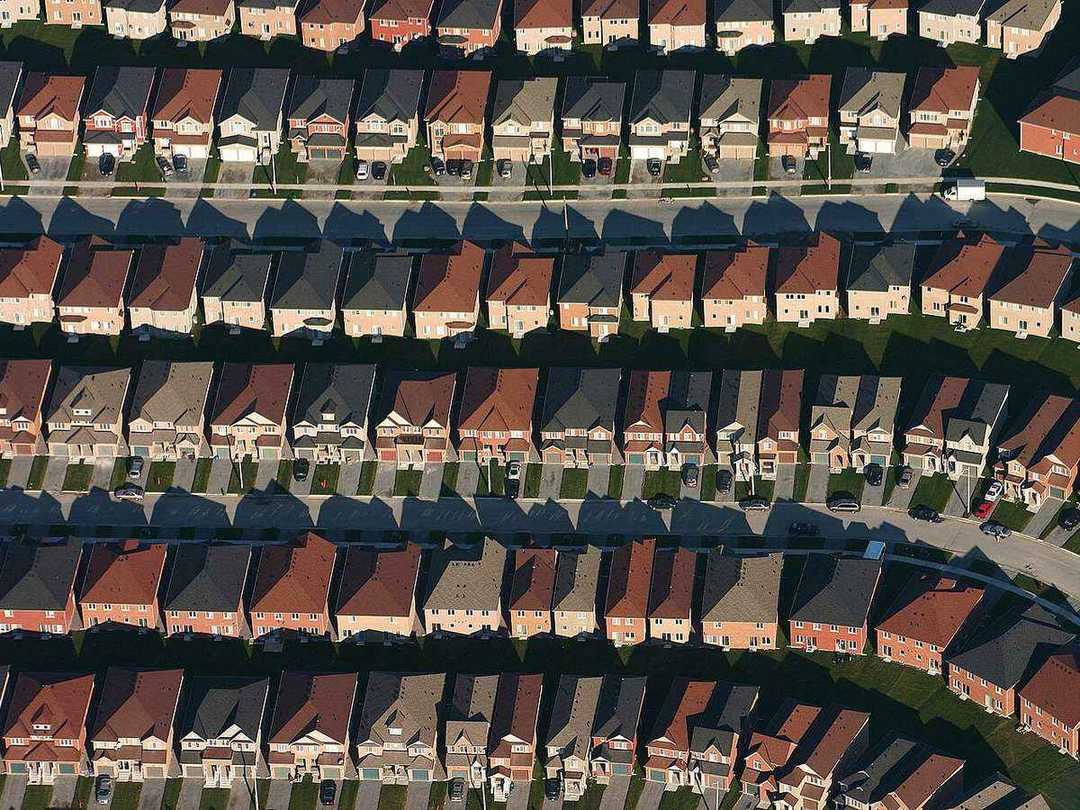
Newer Construction, Different Failure Points
South Tulsa building ran from the 1970s to the present, and each decade shows in the housing: 1970s and 1980s ranch plans on slabs, 1990s two story growth, and large new builds still going up at the city edge. Plumbing is copper and then PEX, roofs are architectural shingle, and floor plans sprawl. Almost every home sits on a slab, which means the plumbing that matters most is the plumbing nobody can see, running under concrete beneath finished floors.
That construction writes a predictable loss list. Slab leaks announce themselves as warm spots, sudden bill spikes, or floors that begin to fail in a line. Water heaters, relocated into garages and interior closets, hold dozens of gallons against a supply line that can release far more. Second floor bathrooms and laundry rooms turn a small fixture failure into a two level loss. Air conditioning condensate, working hard through Tulsa summers, quietly overflows pans and stains ceilings. The systems are modern; the water is the same.
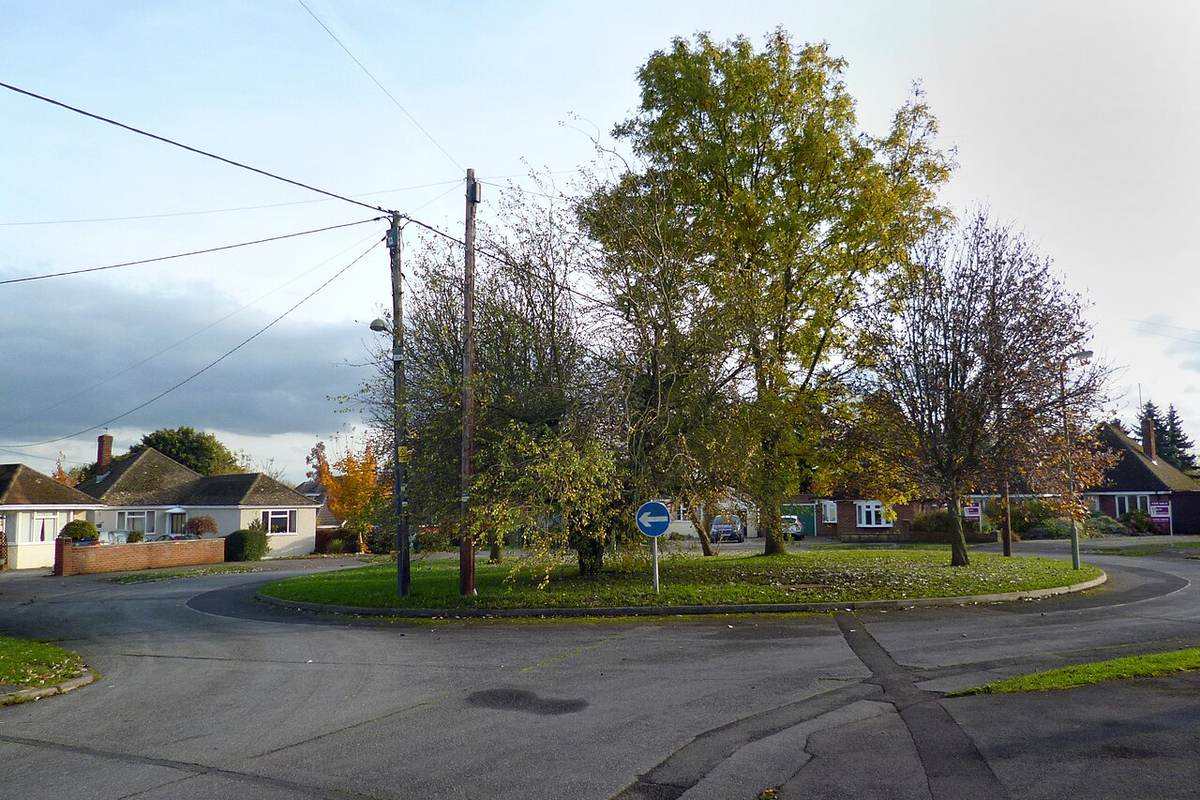
Creeks, Drainage, and Storm Water in the Subdivisions
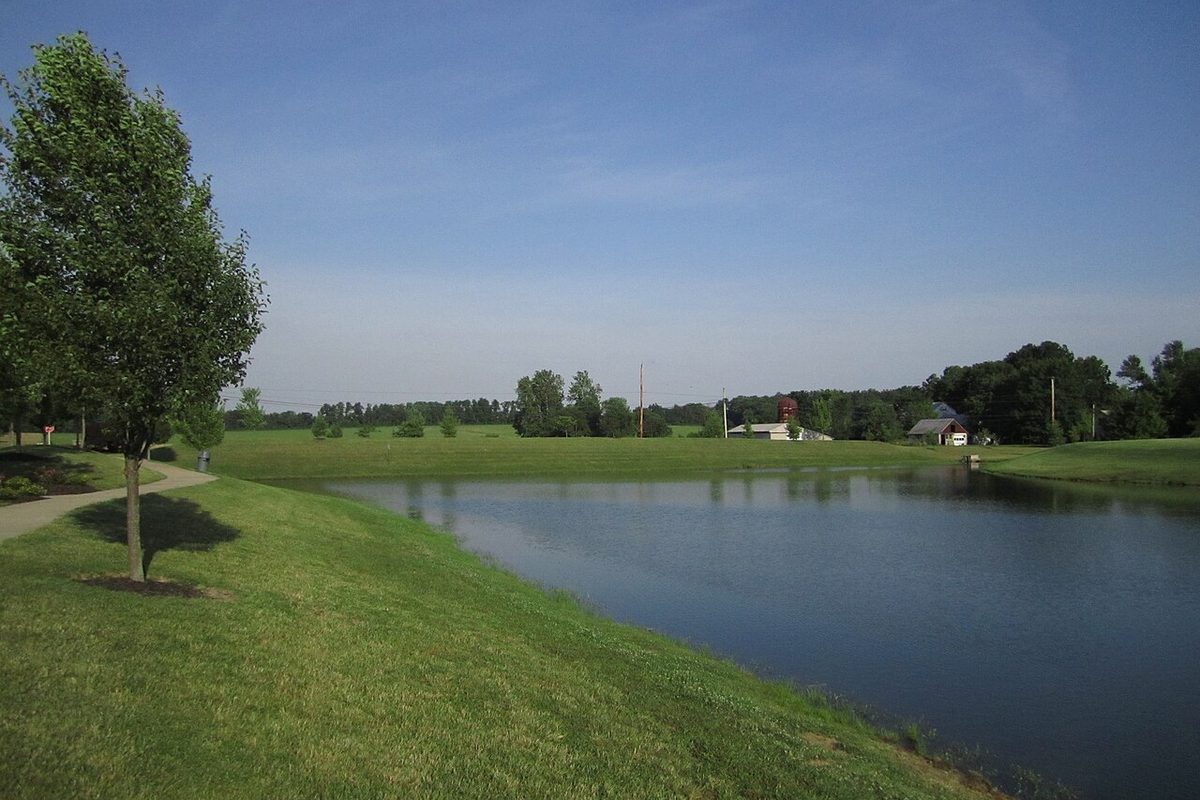
South Tulsa subdivisions were built around the creeks that drain this side of the city, and greenbelts and ponds are features right up until a storm stalls overhead. Intense rain can push water out of channels and against the lowest homes on a street, and even houses that stay dry inside can take water into garages and at foundation lines when street drainage is overwhelmed. It does not take a flood zone map to flood a first floor; it takes one blocked inlet and one hard hour of rain.
The restoration consequence is that storm losses here are often wide rather than deep: a thin sheet of water across a large open plan footprint, moving under every floor finish in its path. Extraction speed matters because engineered floors and laminate begin failing at the seams within hours, and the drying plan has to cover more square footage than the visible water suggested. Mapping the true edge of the water, including under cabinets and inside wall bases, is the difference between drying a room and drying a house.
How a South Tulsa Water Damage Call Proceeds
1. Tell us the floor plan and the source
Slab or second story, appliance or pipe, clean or storm water. In South Tulsa homes the layout decides how far the water could travel before anyone saw it.
2. Shut off and make safe
Stop the water at the fixture or main. Keep people and pets out of wet rooms near electrical outlets, and treat creek or sewer water as contaminated from the start.
3. Extract across the footprint
Wide thin losses need fast mechanical extraction from every affected surface. Every gallon removed is a gallon the dryers never have to evaporate from under your floors.
4. Map slab, walls, and the level below
Readings under floor finishes, inside wall bases, and through ceilings below upstairs sources. The map sets the zones, the equipment, and the removal list.
5. Dry in zones with daily readings
Equipment is placed by zone and moved as areas reach standard, so dry parts of the house stay usable while wet materials are dried to documented numbers.
6. Verify and document
Final readings, photos, and a written record close the job, ready for your files or your insurer, with the numbers behind every decision.
Slab Homes: Drying What You Cannot See
A slab is both foundation and hiding place. Water from a leak or an interior flood spreads along it under flooring, wicking into wall bases rooms away from the source. Tile and stone forgive; laminate and engineered wood telegraph the damage at their seams and then fail if the moisture stays. The work is to read each material on its own merits: floors that can dry in place get mats and time, floors already delaminating come up so the slab itself can dry, and every call is made from meter numbers rather than from how the surface looks on day one.
The leak itself belongs to a plumber, and sequencing matters. Drying a slab while water still feeds it wastes days, so detection and repair run alongside extraction in a planned order. Our side is the building: moisture, materials, and the documented record. When the plumbing repair lands, the drying plan already in motion finishes against a source that has actually stopped.
Documentation and Expectations in South Tulsa
South Tulsa claims tend to involve higher material values, and adjusters read these files closely. Dated photos before anything moves, a moisture map of the whole footprint, equipment logs, and daily readings are the difference between a smooth file and a negotiation. We build that documentation as a standard part of the work, not as an add on, and we explain each stage before it happens so there are no surprises in the invoice or the house.
Ask any company you interview how they decide what gets removed. The right answer is readings, explained in plain language, with the numbers available to you. Be cautious with promises about coverage or final cost before the map exists: in a large home, nobody honest can price the job from the doorway. What can be promised is a process: measured, zoned, documented, and verified at the end.
Water damage in South Tulsa? Start with one call.
Call (918) 578-1166 and tell us what happened and where in South Tulsa you are. We extract, dry, and document the loss, and we explain each step before we do it.
Water Damage Causes We See in South Tulsa
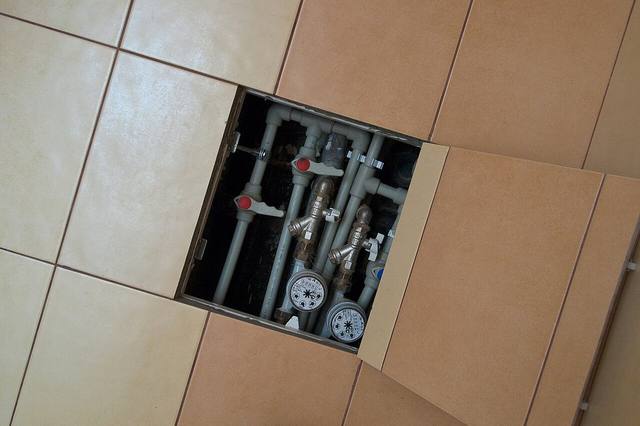
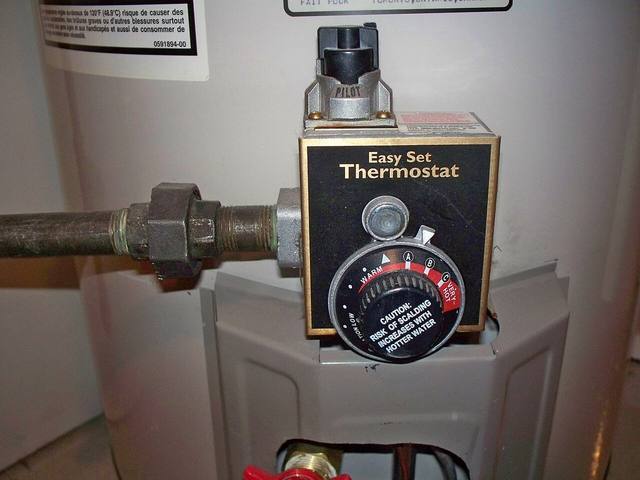
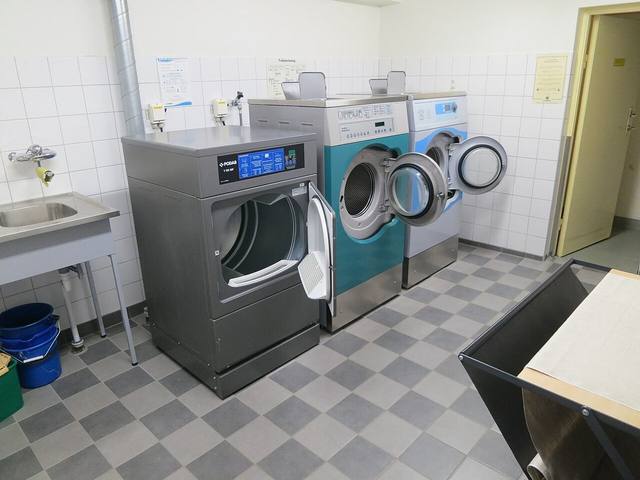
South Tulsa causes are modern system failures: slab leaks, heater tanks, upstairs laundry, appliance lines, and condensate, with creek storm water across the subdivisions. These are the pages South Tulsa homeowners open most.
Main Water Damage Services in South Tulsa
Every South Tulsa call runs through the same main services: emergency response, residential and commercial restoration, and round the clock cleanup. The pages below explain each one in full.
Other Tulsa Neighborhoods We Serve
South Tulsa runs into Jenks and Bixby at its edges and back toward Midtown and Brookside as the housing gets older. Each neighborhood and city page on this site covers its own era and water patterns.
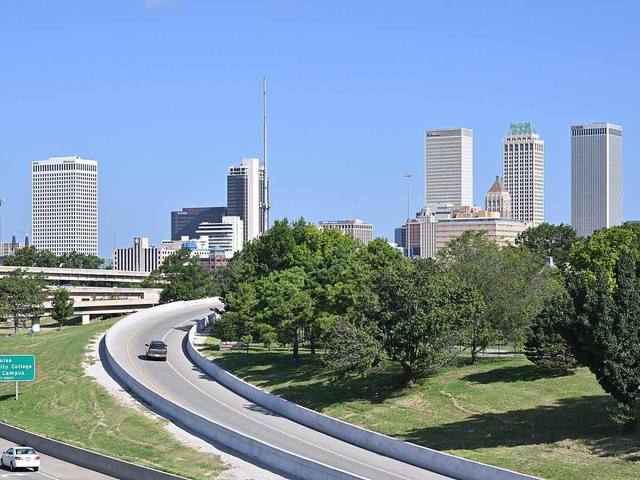
South Tulsa is part of Tulsa, and this page covers South Tulsa only. For the whole city, go up to the Water Damage Restoration Tulsa OK home page for the full process, cause, mold, and insurance pages, see all service areas, or start with emergency water damage restoration if water is active right now.
Water Damage Questions from South Tulsa Homeowners
What water damage is most common in South Tulsa homes?
The modern weak points. Slab leaks under large single story footprints, water heaters in garages and closets, washing machines on second floors, refrigerator and dishwasher supply lines, and air conditioner condensate drains that clog through long humid summers. South Tulsa homes are newer, so the pipes are rarely the story; the appliances and the slab are. Storm water near the creeks is the exception that cuts across every era.
A second floor bathroom leaked into my kitchen ceiling. How big is this job?
Bigger than the stain suggests, and mapping decides the real size. Water from an upstairs bath crosses the floor system, saturates insulation and ceiling drywall below, and often runs down a wall cavity to the slab before it shows anywhere. Each layer gets its own readings: ceiling, walls, subfloor, and the floor finish in both rooms. Some ceilings dry in place with directed air; sagging or contaminated drywall comes out. The honest answer arrives with the moisture map, and we walk you through it before any cutting is discussed.
How do you dry a large open plan home without closing it off for weeks?
By zoning. A South Tulsa floor plan may be one big footprint, but moisture is never evenly spread, so drying equipment is placed against the mapped wet areas rather than the whole house. Containment barriers isolate the work zone where the layout allows, dehumidifiers are sized to the actual load, and daily readings move equipment as areas reach standard. Most households stay in the home through a typical job, using dry rooms normally while the wet zone is closed. Sewage and heavy demolition change that picture, and we will say so plainly if your loss is one of those.
Our street floods near the creek in heavy rain. What should we do first?
Safety first: never walk through water near outlets or panels, and do not run pumps or vacuums from inside standing water. If water is rising from outside, the priorities are documents, electronics, and belongings off the floor, then extraction as soon as the water stops rising. Groundwater and creek water are treated as contaminated, so porous materials it soaks get a harder look than clean supply water would. After the event, the drainage conversation matters: grading, drains, and where your lot sits against the creek decide whether this repeats, and the documentation from the first visit supports both the insurance file and any drainage work that follows.
Does a higher value home change how restoration is done?
The science is identical and the materials raise the stakes. South Tulsa homes carry wide plank engineered floors, custom cabinetry, stone, and built ins that are expensive to replace and slow to reorder. That cuts both ways: more of the home is worth saving, and saving it takes controlled drying rather than demolition first thinking. Drying mats for floors, cavity drying for walls, and contents handling for built ins all get considered before removal. Every decision is backed by readings we show you, because at these material values nobody should be guessing in either direction.
One call starts extraction and drying.
Talk to a Tulsa dispatcher now about your South Tulsa property. You will get clear next steps and documentation from the first visit.