Tulsa, OK - 24/7 Emergency Service
Black Mold Removal Tulsa OK
Dark mold deserves a calm, evidence based response: identify it properly, remove it under containment with the right protective equipment, and correct the chronic moisture that allowed it to grow.
- Laboratory identification available before removal
- Full containment and PPE protocols for removal crews
- Chronic moisture source located and corrected
- Clearance verification available after the work
In Tulsa humidity, mold can begin growing within 48 to 72 hours of a water loss. Drying to measured goals is what keeps a water job from becoming a mold job.
What Black Mold Usually Means: Stachybotrys and Sustained Moisture
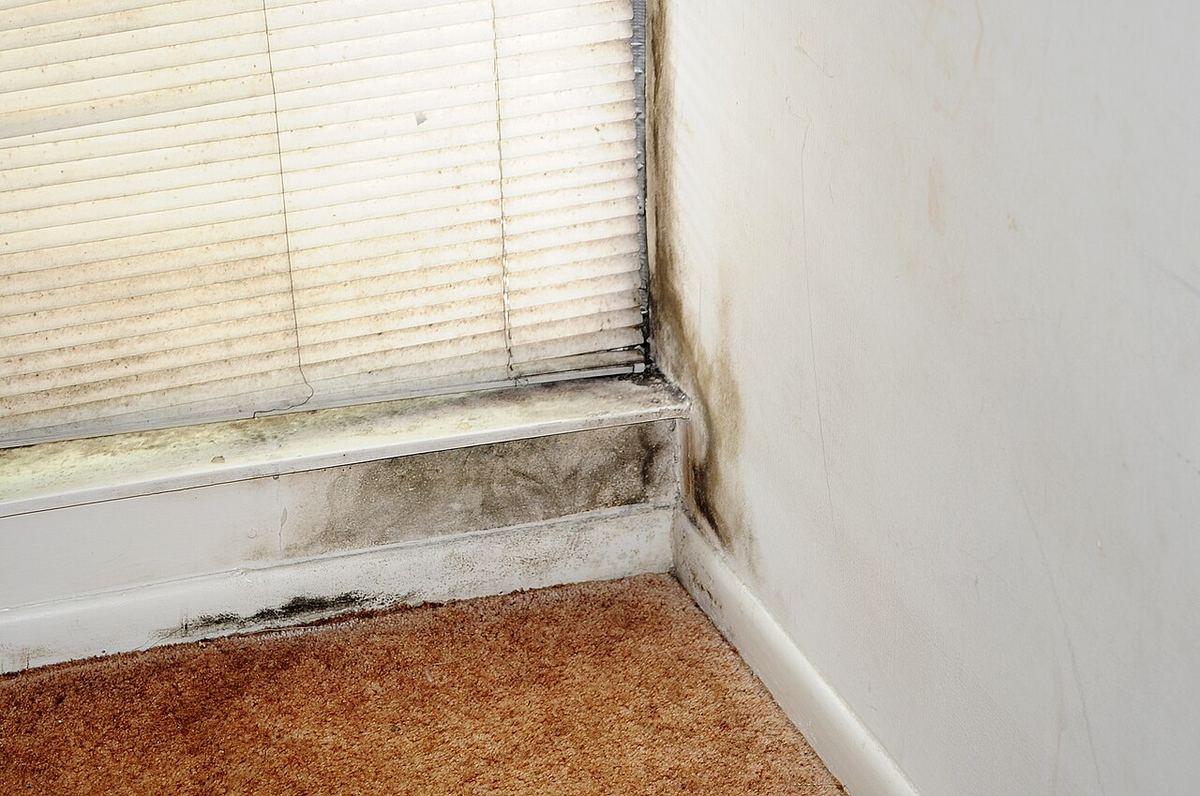
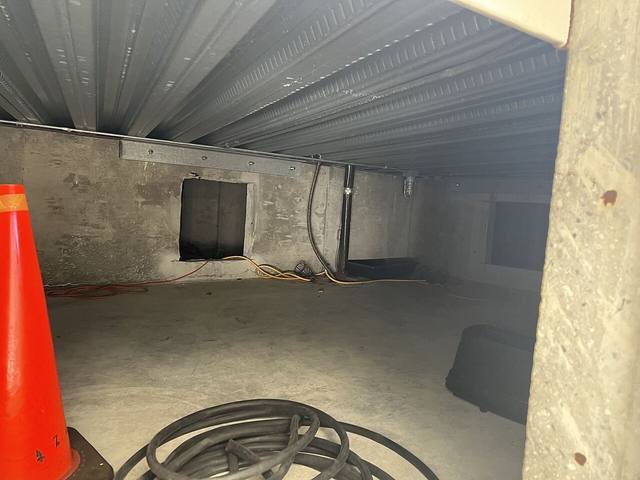
The name black mold usually points to Stachybotrys chartarum, a slow growing, dark colored mold with an unusual appetite: it feeds on cellulose, the paper facing of drywall, wood, and cardboard, and it needs those materials to stay wet for a long time. That second requirement is the diagnostic gift. Where Stachybotrys appears, water has not visited once; it has taken up residence, through a slow plumbing leak inside a wall, chronic condensation, groundwater against a basement wall, or a crawl space that never dries.
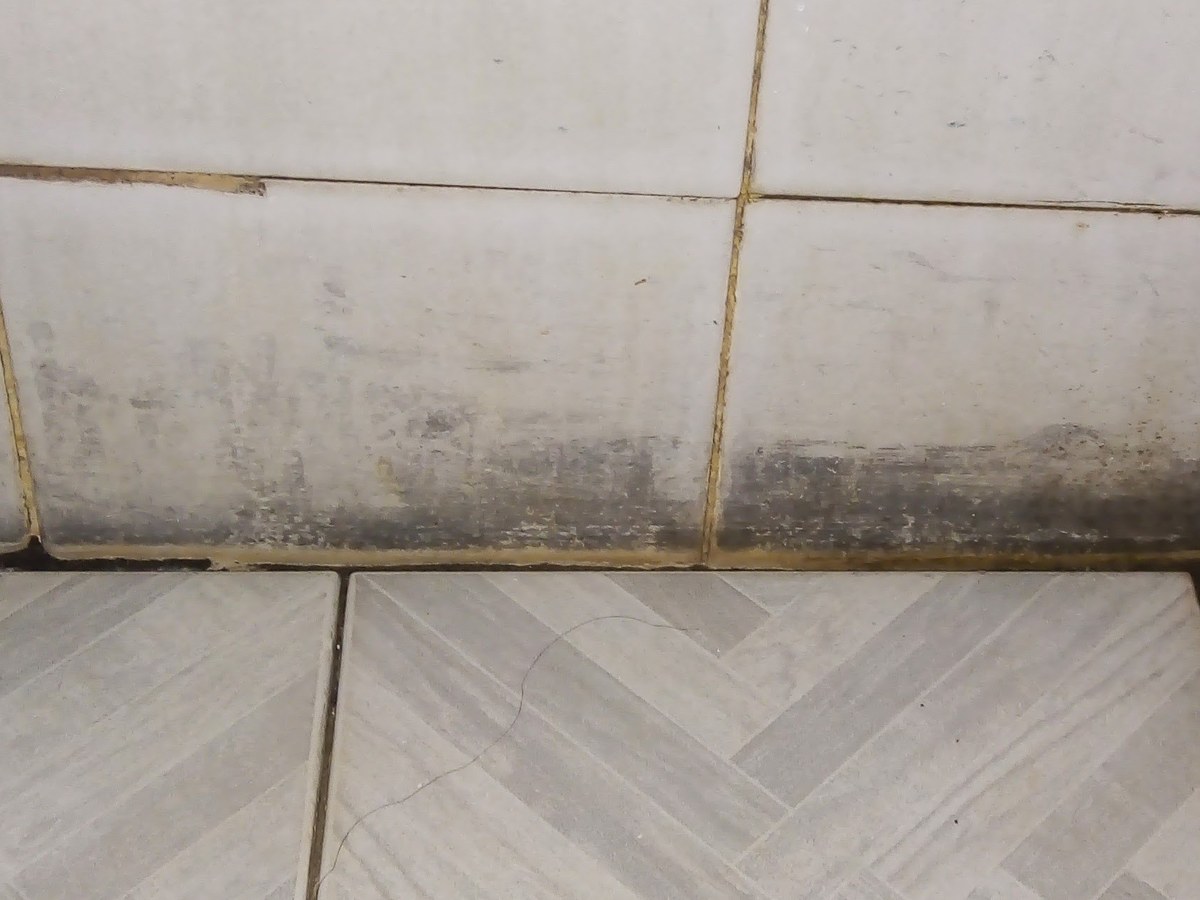
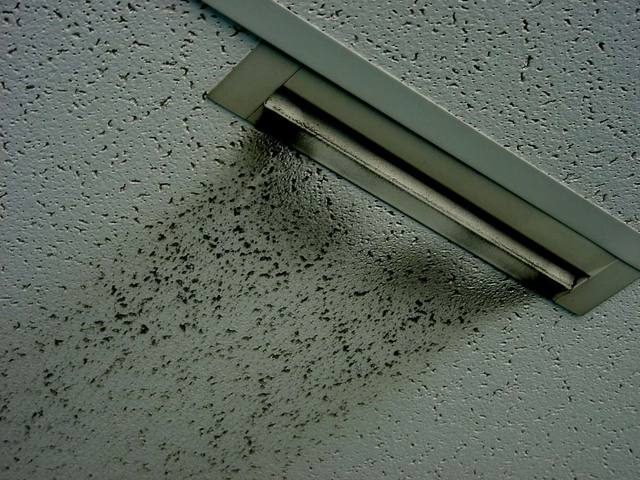
Many other common indoor molds are also dark, which is why this page avoids pronouncing species from photographs, ours or yours. What can be said from the building evidence is the pattern: black mold type growth appears on chronically wet drywall and wood, often at wall bases, behind cabinets and fixtures on plumbing walls, around windows with failing seals, and in basements and crawl spaces with standing moisture histories. The pattern tells the removal story even before any lab result returns.
A Careful Word About Health, Without the Drama
You will find websites willing to diagnose you from a photograph of your wall. This is not one of them, deliberately. Public health guidance on mold is consistent and more modest: mold growth indoors should be cleaned up and the moisture problem fixed, people respond to mold very differently, and anyone with health concerns should talk to their own physician, who can consider the whole picture. We follow that guidance exactly. Our work is the building: identifying growth, removing it safely, and correcting moisture.
Two practical consequences follow. First, urgency should be proportional: established growth is a reason to act promptly and to keep the affected area undisturbed until it is assessed, not a reason to panic or to tear into a wall tonight without containment. Second, documentation helps your physician help you: an inspection report with laboratory identification and moisture findings is a factual record a medical professional can actually use, which a frightened guess is not.
Why Black Mold Removal Is a Containment Job
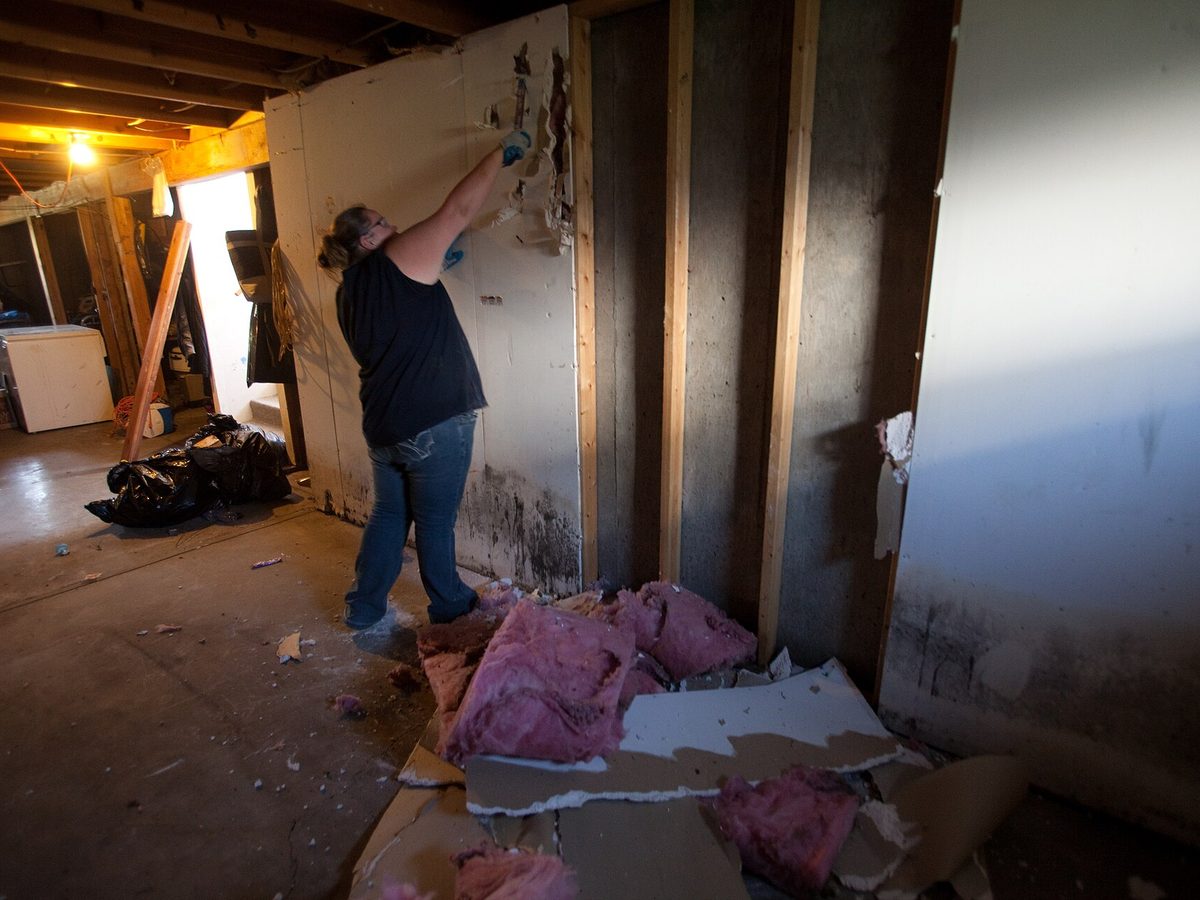
Disturbing a Stachybotrys colony is the moment of maximum spore release, and this species adds a wrinkle: its spores are produced in a slimy mass and travel less freely while wet, but as growth dries or is scraped, fragments and spores become airborne readily. Removal therefore runs under the full remediation protocol: sealed containment, negative air with HEPA filtration, crews in respirators and protective clothing, affected porous material bagged inside the containment, and HEPA cleaning of the whole work zone before the barrier comes down.
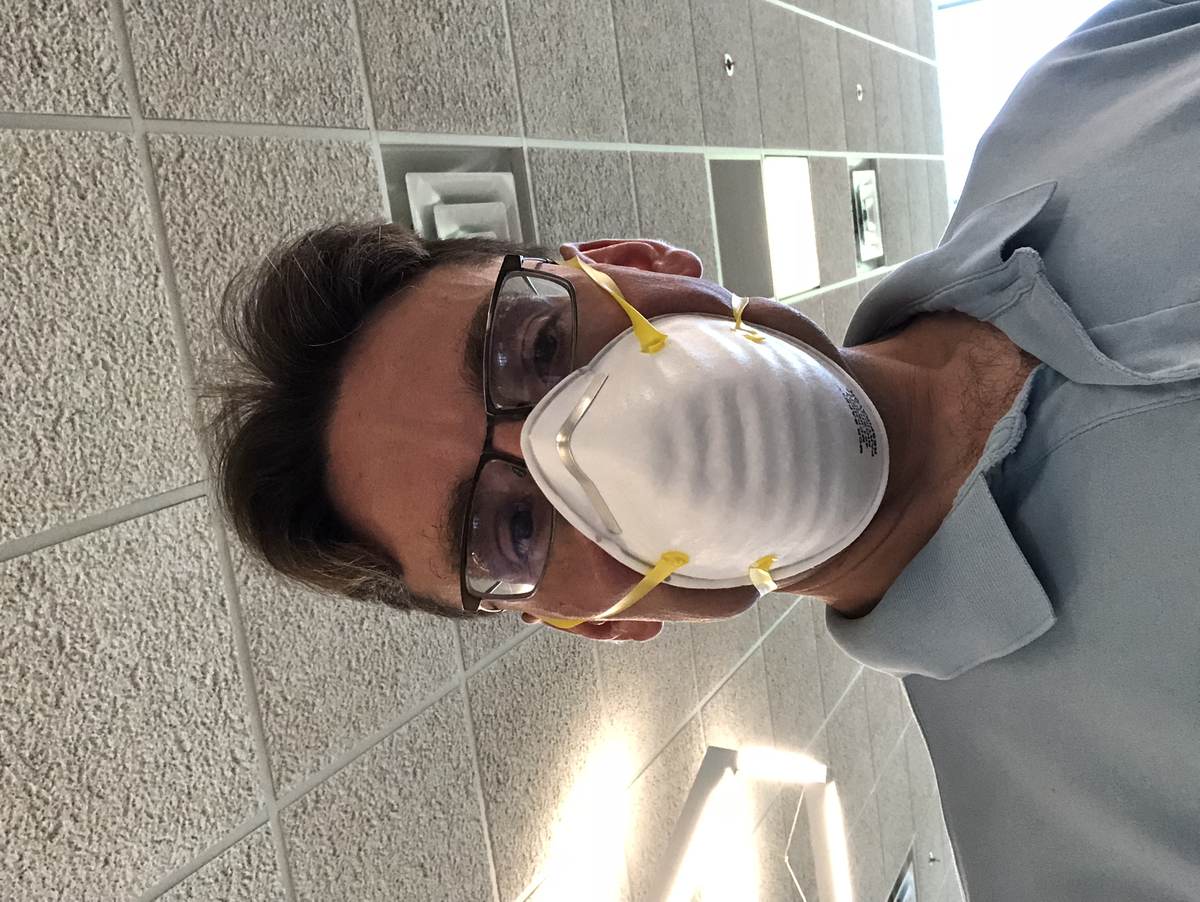
The PPE is not theater. It protects the crew during the highest exposure hours of the project, and the containment protects everyone else in the home during the same hours. Homeowners are kept out of the work zone until clearance, and the access path for removed material is planned so debris never crosses clean living space. These are the steps that separate removal from redistribution.
How the Work Proceeds, Step by Step
1. Assessment and moisture investigation
The growth, the materials under it, and the water source are documented. Readings map how far the chronic moisture extends beyond the visible colony.
2. Laboratory identification where warranted
Surface or air sampling names the species when documentation, health professional input, or scope planning calls for it.
3. Moisture source correction plan
The leak, intrusion, or condensation source is identified and scheduled for repair, because removal over a live source is temporary by definition.
4. Containment and negative air setup
The work area is sealed, vents protected, and HEPA scrubbers hold negative pressure before any growth is disturbed.
5. Removal under PPE protocols
Crews in respirators and protective clothing remove affected porous materials inside containment, bagging debris at the point of removal.
6. HEPA cleaning, drying, and treatment
Remaining surfaces are HEPA vacuumed and cleaned, the cavity is dried to verified readings, and cleaned structural surfaces are treated.
7. Clearance verification
A post remediation evaluation, with clearance sampling available including third party options, verifies the area before containment is removed.
The Chronic Moisture Sources Behind Tulsa Black Mold
In Tulsa homes the sources repeat: supply lines and drain connections weeping inside walls for months, condensate from air handlers in hot attics and closets, groundwater pressure against basement walls sitting in saturated clay, crawl spaces whose joist bays never dry in summer humidity, and window and roof details that admit small amounts of water with every storm. Each is a small water problem with a long fuse, which is why the moisture investigation ranges beyond the visible patch to the systems feeding it.
Correcting these sources is sometimes plumbing, sometimes drainage and vapor control, sometimes HVAC service, and the remediation scope says plainly which trade owns which fix. What it never does is close a wall over an uncorrected source and call the project finished.
What To Do, and Not Do, Before the Assessment
Do keep people and pets out of the immediate area where practical, run the bathroom or kitchen exhaust if the growth is in one of those rooms, and photograph the growth as found for the record. If you can safely reach a shutoff for a suspect active leak, stopping the water is always right. Then call for an assessment and let the area sit undisturbed.
Do not scrape, sand, bleach, or paint the growth, and do not run a household fan across it. Each of those either spreads spores through the home or seals growth into the material where it continues out of sight, and each makes the eventual removal scope larger and harder to verify. Undisturbed growth is stable growth; the containment exists to keep it that way until the moment it leaves the house in a bag.
Dealing with mold in Tulsa right now?
Call (918) 578-1166 and a local dispatcher will talk through what you are seeing, where the moisture is coming from, and the safest next step for your home or business in Tulsa County.
Water Damage Causes Behind Mold Problems
Black mold follows chronic water, not single spills. These cause pages cover the long running Tulsa moisture problems behind most black mold calls.
Other Mold Services in Tulsa
Return to the water damage restoration Tulsa OK home page for the full process, cause, mold, and insurance pages, or start with emergency water damage restoration if water is active right now.
Frequently Asked Questions
Is black mold dangerous?
This page can only answer generally, and the general answer deserves care rather than drama. Some molds, including Stachybotrys, the species most often meant by black mold, produce compounds called mycotoxins, and health authorities advise that mold growth indoors should be removed and the moisture behind it fixed, without waiting to learn exactly which species it is. How any individual responds to mold varies widely, and no restoration company can assess your health or connect a symptom to a growth. If you have health concerns, raise them with your physician, and treat the building side as the building side: identify the growth professionally, remove it under containment, and fix the water that fed it.
How do I know if it is black mold?
Honestly, you cannot know by looking, and neither can we. Many common molds are dark in color, and Stachybotrys itself ranges from dark green to black with a distinctive slimy texture when wet. Color is not identification. A surface sample analyzed by a laboratory is what names the species, and the practical point is that identification rarely changes the response: significant indoor growth of any species is removed under the same containment and moisture correction. Sampling is most valuable when documentation matters, for a transaction, a dispute, or a physician’s file, or when the extent of hidden growth has to be mapped before removal begins.
How much does black mold removal cost?
General information only, because the species name matters less to price than the scope does. A small, contained area on one wall prices like a small remediation. Growth that has colonized a crawl space, multiple wall cavities, or the HVAC system prices like the larger project it is, with containment, removal, and verification scaled to match. Laboratory identification, where it is wanted, is a separate modest line. The written estimate follows the assessment, and it separates identification, removal, moisture correction, and verification so you can see what each part of the number is paying for.
Can I remove black mold myself?
Guidance from health and housing authorities generally treats very small areas, on the order of a few square feet on a hard surface, as a homeowner task with sensible precautions, gloves, ventilation, and no dry scraping or sanding that throws spores into the air. Beyond that, the case for professional removal is practical rather than theatrical: established Stachybotrys grows on chronically wet material, often inside the wall rather than on it, and disturbing it without containment spreads spores through the home’s air. If the patch is large, hidden, recurring, or in a crawl space, basement, or duct system, have it assessed first. The assessment itself commits you to nothing.
Why does black mold keep coming back in the same spot?
Because the moisture that defines it is still there. Stachybotrys is a chronic moisture mold: it needs materials that stay wet for extended periods, which is why it is associated with long running leaks, groundwater intrusion, and condensation problems rather than one time spills. Removing growth while a pipe still weeps inside the wall, or a crawl space still floods the joists with humid air, schedules the sequel. Recurrence is diagnostic information: it says the water source was never fully corrected, and the next scope has to start there.
One call starts the assessment.
Talk to a local Tulsa dispatcher now. You will get clear next steps, a real arrival plan, and documentation from the first visit.