Tulsa, OK - 24/7 Emergency Service
Water Damage vs Flood Damage Insurance Oklahoma
Same wet floor, two different policies. The line between water damage and flood damage is where the water came from, and this page walks that line with Oklahoma examples.
- The source test: inside the systems vs outside the home
- NFIP definition of flood in plain language
- Tulsa County flood zones and the Arkansas River factor
- General information only, your policy and agent decide
Insurers pay for documented losses. Photos, moisture readings, and a clear drying log from the first day are what support a claim.
The Source Test: Where the Water Started
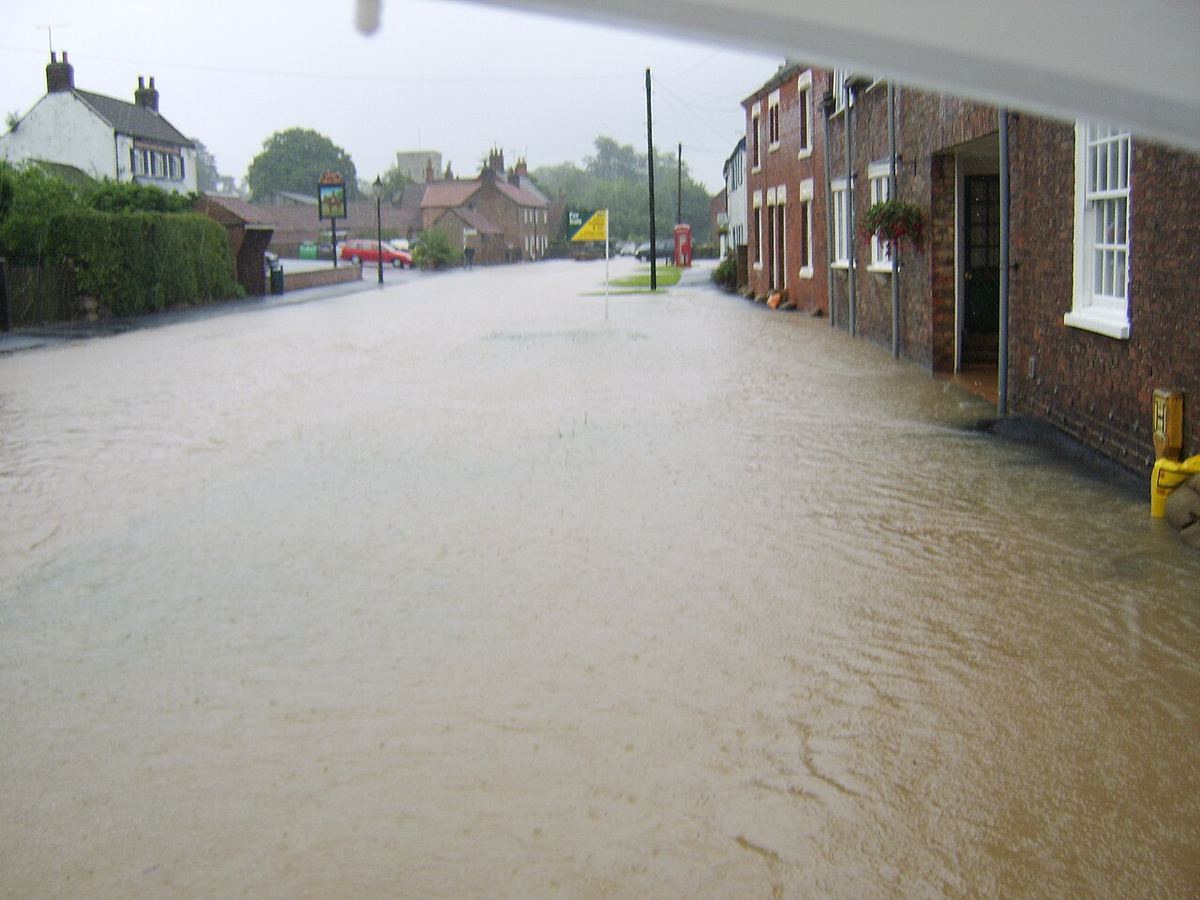
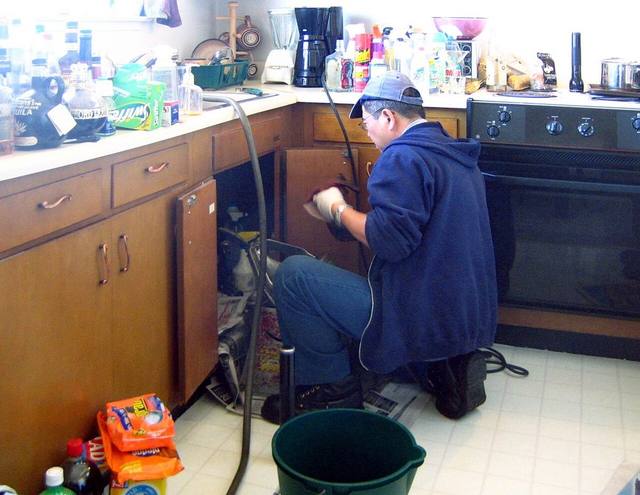
Strip away the policy language and one question decides almost everything: did the water start inside the home’s systems, or did it arrive from outside the structure? A supply line bursts, a water heater ruptures, a washing machine hose lets go, an air handler’s drain overflows: the water began inside, and the loss speaks the language of a homeowners policy. A creek leaves its banks, the street becomes a channel, runoff pours across the yard and under the door, groundwater rises through the slab: the water began outside, and the loss speaks flood, a peril homeowners policies exclude and flood policies exist to cover.
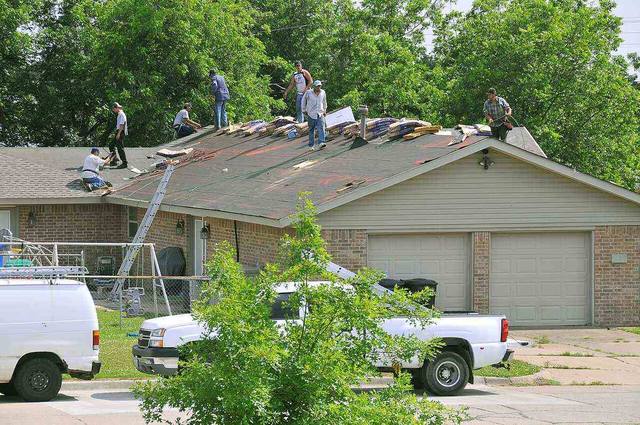
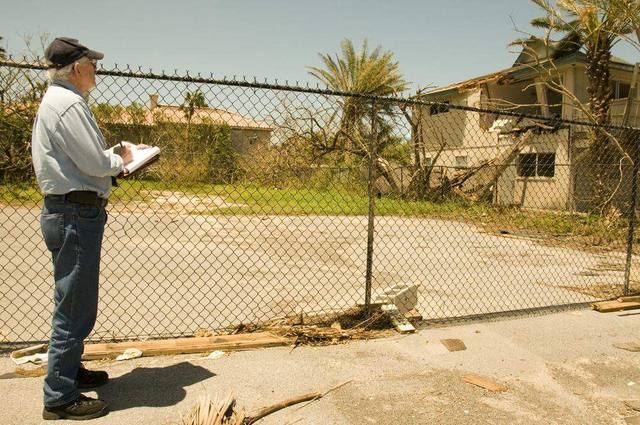
The test sounds simple until a storm writes a compound sentence, and Oklahoma storms write them fluently. The same night can produce a wind torn roof with rain pouring through the ceiling, a classic homeowners storm claim, and a yard draining into the crawl space, a flood fact in the same house. Adjusters separate the two by entry point and evidence, which is why per source documentation, photographs of each entry, timestamps, and an honest account of what came from where, is worth more in a compound loss than any argument made later from memory.
How the NFIP Defines a Flood
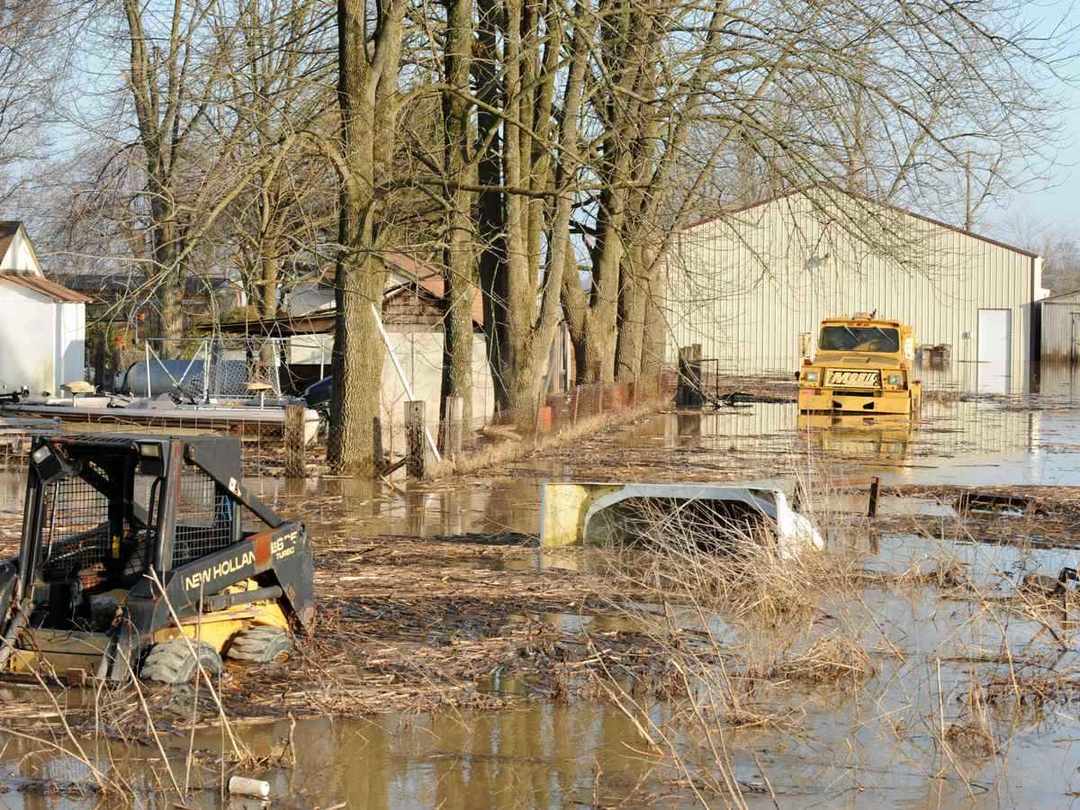
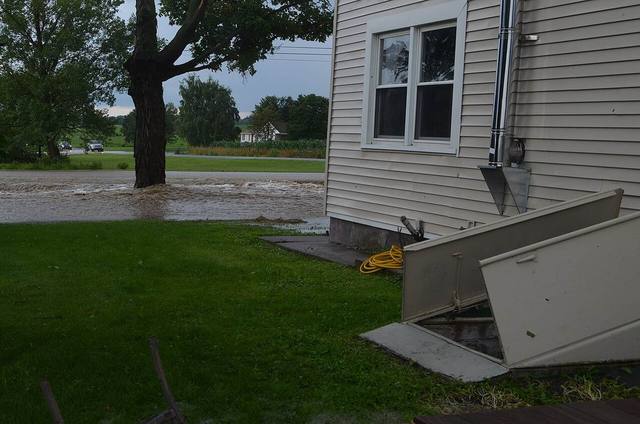
Flood insurance does not use the everyday meaning of the word. The National Flood Insurance Program defines a flood as a general and temporary condition of partial or complete inundation of two or more acres of normally dry land, or of two or more properties, from overflow of inland or tidal waters, unusual and rapid accumulation or runoff of surface waters, or mudflow. Two consequences follow. First, a lone home with water pooling only on its own lot from a drainage quirk may not meet the definition, which surprises homeowners in both directions. Second, water that meets the definition is flood even if it never touches a river, because runoff and accumulation count.
Groundwater and seepage sit in their own excluded corner for both policy types in most cases: water that seeps through a foundation over time is typically neither a sudden homeowners event nor an NFIP flood, which is precisely why foundation moisture is a maintenance and drainage problem to solve with grading, gutters, and waterproofing rather than an insurance strategy. The pages on this site about foundation cracks and flooded basements take up that practical side.
One Loss at a Time: Which Policy Answers
1. Burst pipe or appliance failure inside the home
Homeowners policy territory: sudden and accidental discharge is the classic covered peril pattern, subject to your terms.
2. Sewage or drain backup
Excluded by default in most homeowners policies, added back only by a specific backup endorsement. Check your declarations.
3. Rain through a storm created opening
Generally treated as part of the storm loss by homeowners policies, because the storm made the door the rain used.
4. Rain through wear, gaps, or poor drainage
Generally read as maintenance or surface water, and commonly excluded. The fix is repair, not a claim strategy.
5. Rising water, runoff, and creek or river overflow
Flood by definition. This belongs to an NFIP or private flood policy, with a typical 30 day wait before a new policy takes effect.
6. Groundwater seepage through the foundation
Usually neither policy answers. Drainage, grading, and waterproofing corrections are the remedy, documented on the cause pages of this site.
Tulsa County Flood Maps and the Arkansas River Factor
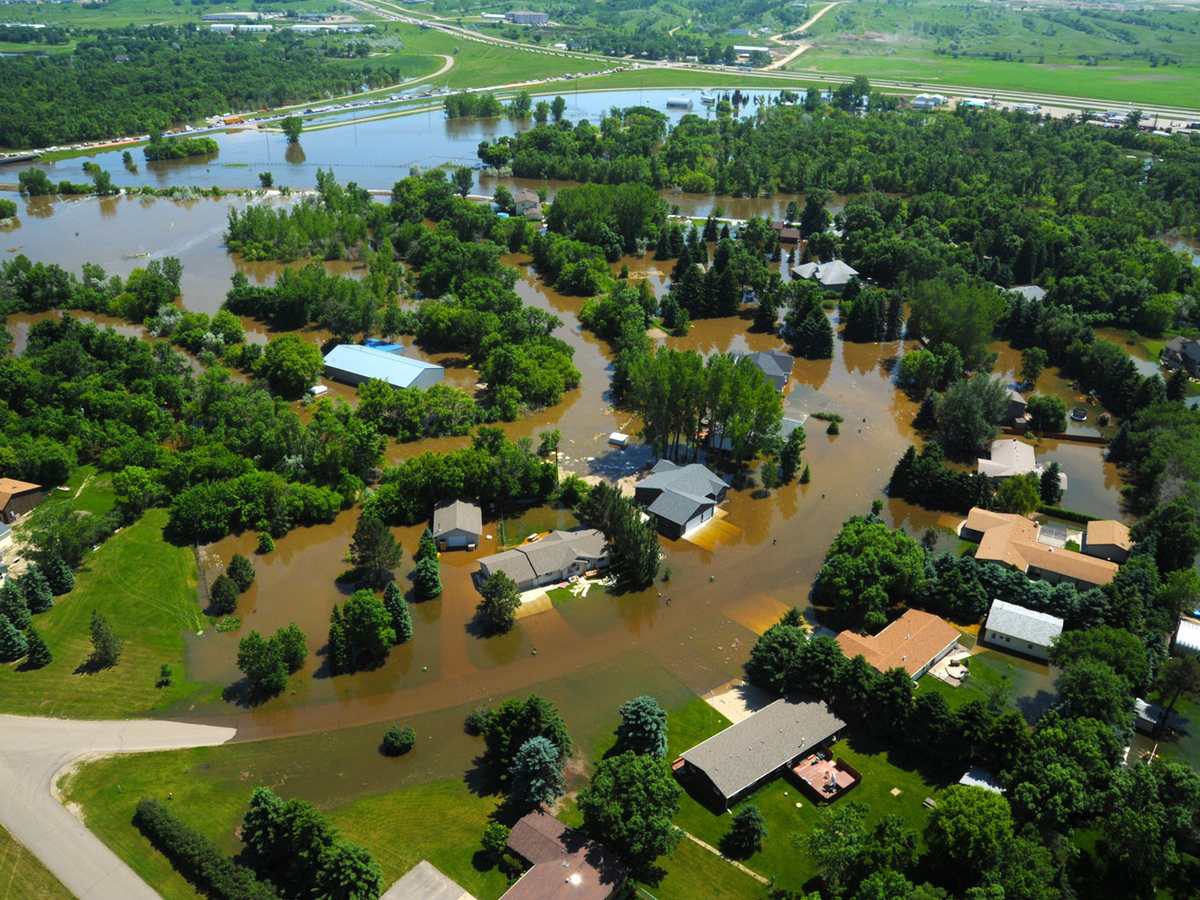
Tulsa’s flood geography is written by the Arkansas River and the creeks that feed it, and FEMA’s flood insurance rate maps draw the official version: Special Flood Hazard Areas where lenders require flood insurance, and the surrounding zones where coverage is optional and cheaper. Neighborhoods along the river, near Haikey Creek, Joe Creek, and the other tributaries carry mapped risk that matches Tulsa’s lived history of high water years, 2019 most recently and most memorably, when river flooding damaged homes well beyond the oldest residents’ expectations.
The maps are a floor for the decision, not a ceiling. Flash flooding in Tulsa follows intense rain on saturated clay and aging drainage, and it visits streets no map colors blue. Homeowners outside the mapped zones decide with a different arithmetic: the premium is lower there precisely because the risk is lower, and the question is whether lower means low enough to self insure a five figure loss your homeowners policy excludes. An agent can price your address in minutes; the time to ask is before storm season, because of the waiting period the next section covers.
Buying Across the Line: NFIP, Private Flood, and the 30 Day Reality
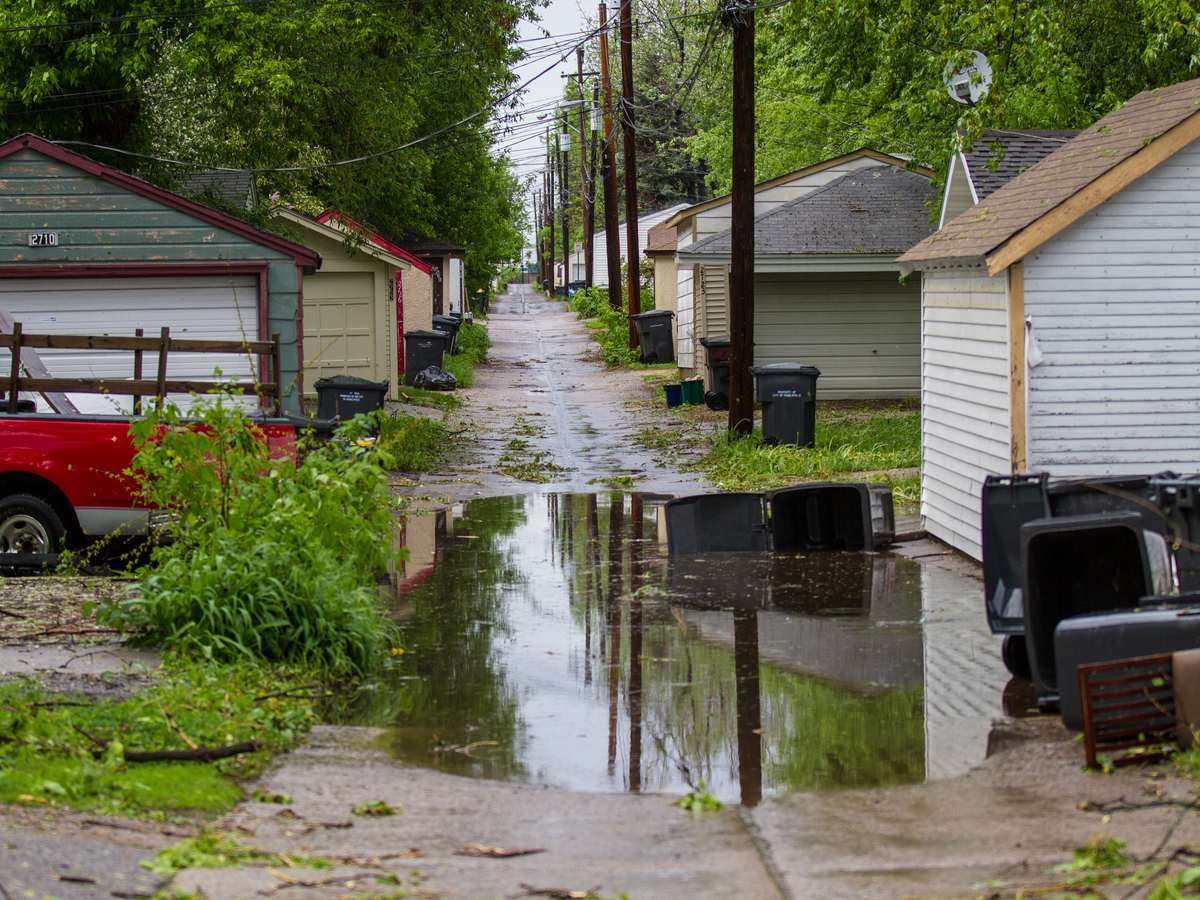
Flood coverage comes from two shelves. NFIP policies, sold by most agents, are standardized, widely available in Tulsa County, and capped at program limits for building and contents. Private flood insurers write competing policies in Oklahoma that may offer higher limits, different deductibles, or shorter waiting periods. Both shelves share the trait that matters most in practice: a new policy almost never protects against the storm already on the radar, because waiting periods, 30 days for the NFIP standard, exist precisely to prevent that purchase.
So the sequence for a Tulsa homeowner who reads this page and recognizes a gap is simple and time sensitive: price the coverage now, while the sky is clear, decide zones and limits with the map open, and let the waiting period expire in a dry month. The companion Oklahoma flood insurance page goes deeper on costs, requirements, and what a flood policy actually pays for. This page’s job is the distinction itself, because every other decision stands on it: know which water your policies answer, and you know your real exposure.
Sorting out damage and coverage in Tulsa?
Call (918) 578-1166 for the water side of the problem. We document the loss fully, source, footprint, materials, and drying, so your claim file has a complete record to work from, whatever your policy covers.
Water Damage Causes These Pages Apply To
The distinction lives in real losses: the flooded basement that is a claim and the one that is a gap. These cause pages cover both kinds of Tulsa water.
Main Water Damage Services in Tulsa
Insurance questions follow the water, and the water work is the restoration sequence itself. These pages cover the emergency, residential, and commercial services these pages support.




More Insurance and Cost Pages

Return to the water damage restoration Tulsa OK home page for the full process, cause, mold, and insurance pages, or start with emergency water damage restoration if water is active right now.
Frequently Asked Questions
What is the difference between water damage and flood damage?
In insurance terms the dividing line is the source and the path, not the amount of water or the mess it makes. Water damage in homeowners policy language generally means water that escapes from inside the home’s systems, plumbing, appliances, HVAC, or that enters through a sudden opening those events or a storm create. Flood damage means water that rises or flows from outside the home: overflowing rivers and creeks, surface runoff, storm driven accumulation, and groundwater, defined formally by the National Flood Insurance Program as an excess of water on normally dry land affecting at least two properties or two acres. The same wet basement can be either, depending on which direction the water traveled, and each belongs to a different policy.
Do I need flood insurance in Tulsa?
That is a risk decision, but it should be made with Tulsa’s actual map in front of you. Parts of Tulsa County sit in FEMA mapped flood zones along the Arkansas River and its tributary creeks, where lenders require flood insurance on federally backed mortgages, and the 2019 Arkansas River flood showed how wide a major event can reach. Off the mapped high risk zones, the decision is yours, and it is worth knowing that a meaningful share of flood claims nationally come from outside the high risk zones, because flash flooding follows drainage and low ground, not just map lines. Check your address on the Tulsa County flood maps, weigh the premium against the loss a homeowners policy will not pay, and decide on the evidence rather than the assumption.
Does my policy cover rain water coming in?
It depends on the door the rain used, which is the distinction adjusters actually apply. Rain entering through a sudden, storm created opening, a roof section torn off, a window broken by wind, is generally treated as part of the storm loss under a homeowners policy. Rain entering through a pre existing condition, worn flashing, a gap that has leaked for seasons, clogged gutters pouring over, or rising from the ground outside, generally is not, reading as maintenance or flood. Photograph the entry in the first day, save the storm timeline, and keep any damaged roofing material: the entry point is the coverage question, and it is much easier to document wet than to argue dry.
What is the NFIP?
The National Flood Insurance Program is the federal program, administered by FEMA, that makes flood insurance available in communities that adopt its floodplain management rules, which includes Tulsa and Tulsa County. NFIP policies are sold through insurance agents, carry standardized terms, and typically take 30 days from purchase to become effective, which is why flood insurance is a dry season purchase, not a storm week one. Private flood insurers also write Oklahoma policies, sometimes with different limits, waiting periods, or terms. An agent can quote both; the comparison that matters is what each pays on the loss your property could actually take.
One call starts the cleanup and the paperwork.
Talk to a local Tulsa dispatcher now. You will get clear next steps, a real arrival plan, and documentation from the first visit.