Tulsa, OK - 24/7 Emergency Service
Mold Removal After Water Damage Tulsa OK
Water damage and mold are the same event on a delay. When drying missed a cavity or a leak ran too long, we assess what grew, remove it under containment, and verify the space is dry and clean.
- Assessment tied to the original water event
- Contained removal of growth established after the loss
- Cavity drying verified by moisture readings
- Prevention plan so the next leak stays a drying job
In Tulsa humidity, mold can begin growing within 48 to 72 hours of a water loss. Drying to measured goals is what keeps a water job from becoming a mold job.
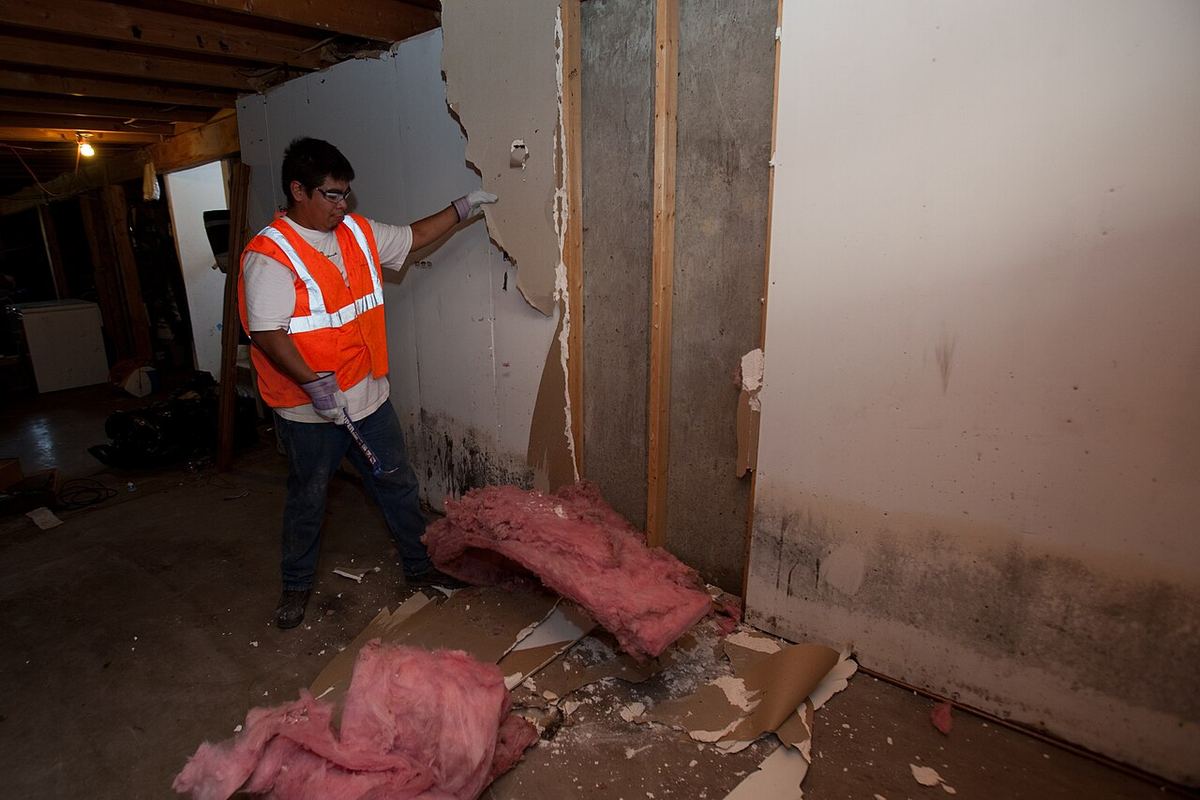
The 48 to 72 Hour Window: How Water Becomes Mold
Mold spores are already in every Tulsa home, riding the air and settled in dust. They are inert until two things arrive together: moisture held in a material, and time. A water event delivers the moisture all at once, into exactly the materials mold feeds on, paper faced drywall, wood framing, carpet backing, insulation, and the dust inside wall cavities. On surfaces that stay wet, germination can start within 24 to 48 hours. By 48 to 72 hours, colonies are commonly established and growing outward from the wettest point.
That window is the whole economics of water damage. Extraction and professional drying inside the window usually ends the story at wet materials dried and verified. Miss the window, or dry the room while the cavity behind the wall stays wet, and the job changes categories: now there is growth to assess, contain, and remove, at several times the cost of the drying that would have prevented it. Tulsa’s humid subtropical climate compresses the window further, because ambient air adds moisture instead of helping materials release it.
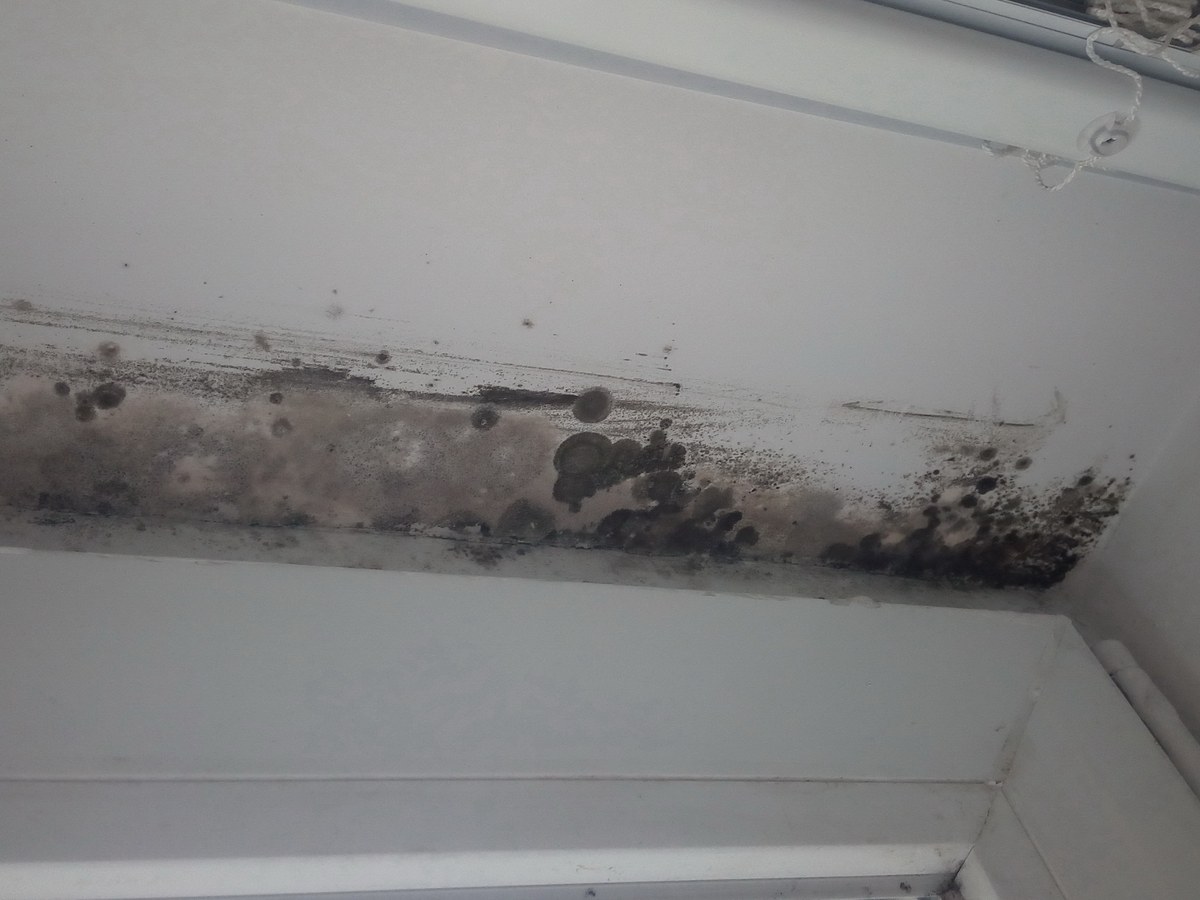
Where Post Water Damage Mold Actually Hides
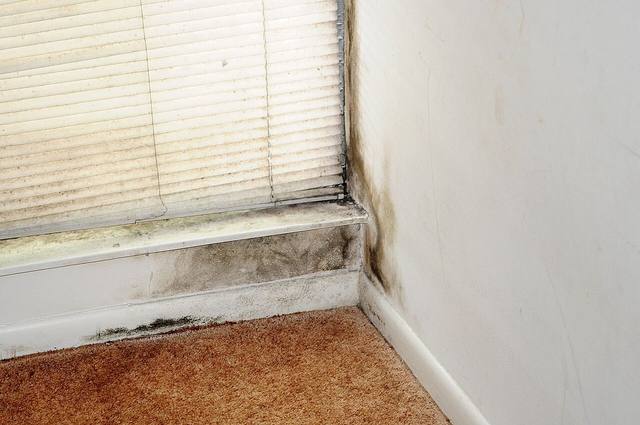
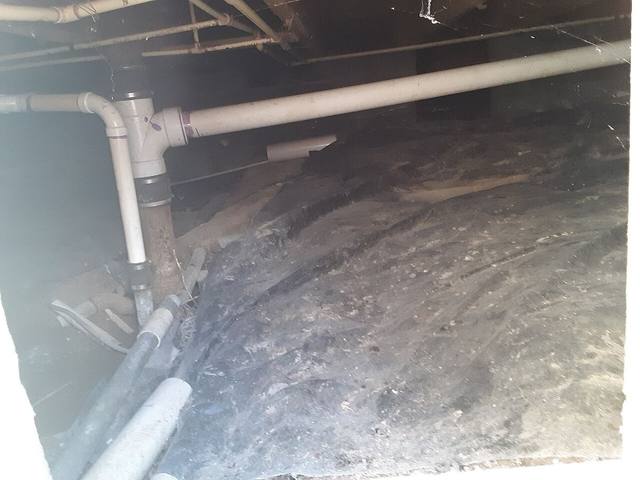
The growth that matters after a loss is rarely the spot you can see. It establishes where water went and air did not: the back side of drywall below a leak, the bottom plate and insulation inside a wall, the subfloor under a finished floor that felt dry on top, the crawl space framing under a plumbing leak, and the ductwork and air handler surfaces that condensate reached. Visible mold on a wall face is often just the part of the colony that found the surface.
This is why post-drying assessment reads the building, not the stain. Moisture mapping follows the water’s known path from the source, readings are taken at the materials along that path, and suspect cavities are checked at their lowest points, where water collected. Finding the growth completely, the first time, is what separates a one visit removal from a recurring odor that keeps bringing everyone back.
Post-Drying Assessment: Did the Drying Actually Finish?
Many of these calls start the same way: the water event was handled, fans ran, the room felt done, and weeks later there is an odor or a stain blooming through paint. The assessment question is precise: which materials never reached dry standard? Readings at the wall base, inside the cavity at the wet line, and under flooring answer it, and air or surface sampling is added where growth is suspected but not visible.
The results sort the job honestly. Materials still wet but without established growth need drying, not demolition, and catching them late is still far better than catching them never. Materials with established growth move to the removal scope. And occasionally the assessment finds the space genuinely dry and clean, and the odor traces to a drain, a condensate pan, or another non mold source, which is also an answer worth having in writing.
How the Work Proceeds, Step by Step
1. Reconstruct the water event
Source, category, footprint, and timeline: what got wet, when, and what drying was done. The event map predicts where growth would establish if it did.
2. Moisture mapping along the water path
Readings at walls, floors, framing, and cavities along the footprint, compared against dry areas of the same home, locate any material that never dried.
3. Sampling where growth is suspected
Air or surface samples where the evidence points, so the removal scope is built on identification rather than assumption.
4. Contained removal of established growth
Affected porous materials come out inside sealed containment under negative air, and remaining surfaces are HEPA cleaned, following the same S520 discipline as a full remediation.
5. Cavity drying to verified readings
Opened cavities and framing are dried and read against dry standards before anything is closed, so the rebuilt wall starts dry.
6. Verification and prevention handoff
Post work evaluation, and where scoped, clearance sampling, plus a written prevention list for the next leak: shutoff locations, drying priorities, and the signs to act on.
Prevention Through Proper Drying: The Cheaper Mold Service
The most effective mold removal is the one that never becomes necessary, and it is spelled drying. Professional water mitigation is built around the colonization window: extract fast, open what needs opening, move dehumidified air through the actual wet materials, and prove dryness with readings instead of touch. Every one of those steps exists specifically to deny spores their 48 to 72 hours.
Homeowners can hold the same line on small events: shut the water off, get standing water up the same day, pull wet baseboards or carpet back enough to let air reach the material behind them, and run real dehumidification, not just a fan in summer humidity. The failure mode to avoid is sealing moisture in, painting a stain, closing a cabinet, replacing flooring over a damp subfloor, because each one converts a drying task into next month’s removal scope.
When the Water Event Is Old: Rental Turnovers and New Purchases
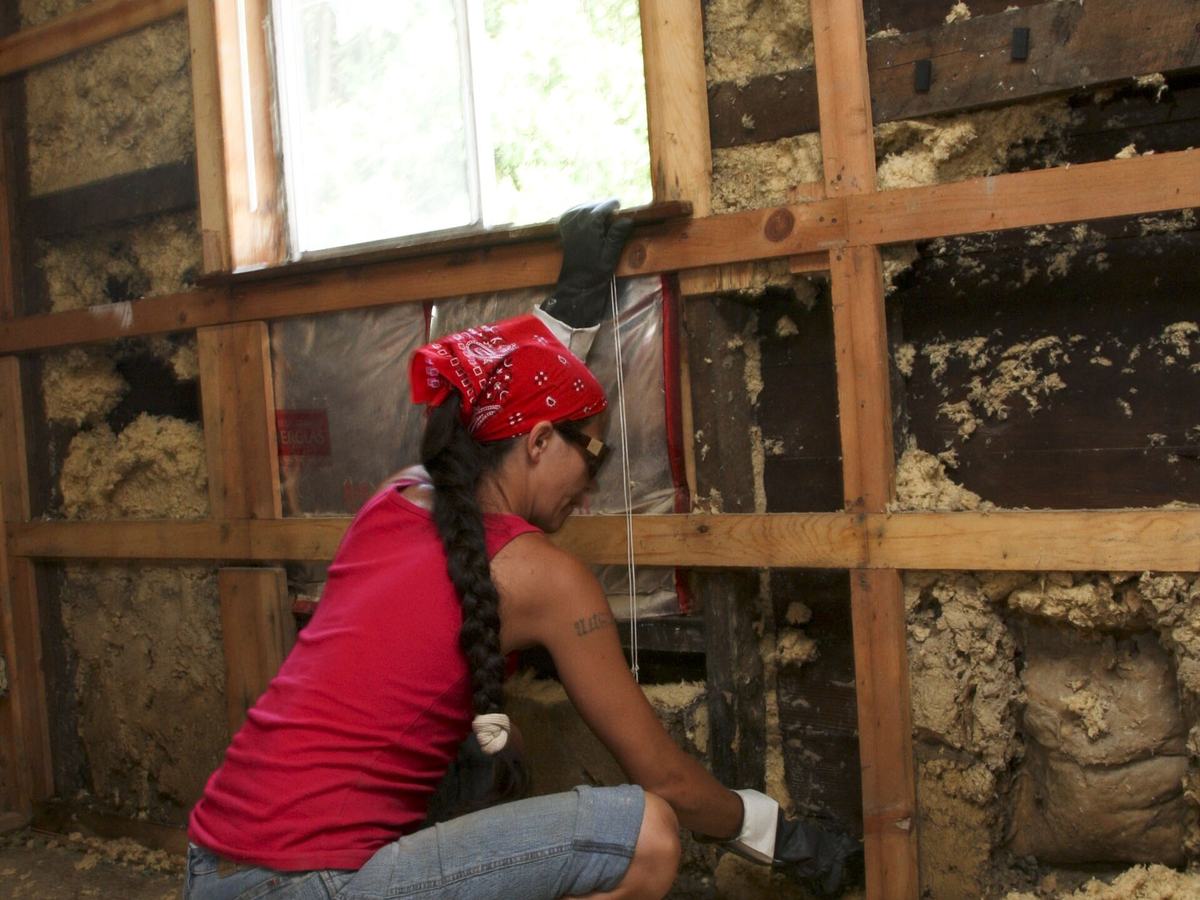
A stubborn share of post water damage mold is discovered by someone who did not own the home when the water ran: a buyer whose inspection smells musty, a landlord between tenants, a homeowner renovating a bathroom and opening a wall onto blackened studs. The assessment approach is the same, with the timeline reconstructed from stains, materials, and moisture patterns rather than memory.
For transactions and turnovers the written report carries extra weight, because it defines a finite scope with a moisture verdict, either the area is dry and the growth is historical, removable and done, or moisture is active and the source needs repair first. That definition is what lets a sale proceed or a unit return to service without the mold question hanging over it.
Dealing with mold in Tulsa right now?
Call (918) 578-1166 and a local dispatcher will talk through what you are seeing, where the moisture is coming from, and the safest next step for your home or business in Tulsa County.
Water Damage Causes Behind Mold Problems
This page exists because of water events that ran long or dried incompletely. These cause pages cover the losses that most often turn into mold jobs.
Other Mold Services in Tulsa
Return to the water damage restoration Tulsa OK home page for the full process, cause, mold, and insurance pages, or start with emergency water damage restoration if water is active right now.
Frequently Asked Questions
Does mold always grow after water damage?
No, and the difference is almost always drying speed and thoroughness. Mold needs sustained moisture on a material it can feed on. Water that is extracted promptly and dried to verified readings within the first day or two usually never gives spores the conditions they need. Water that sits in a wall cavity, under flooring, or in a crawl space for days is a different story, especially in Tulsa humidity. That is why the honest answer to this question is a moisture question: if everything the water touched reached dry standard quickly, growth is unlikely; if any of it stayed damp, growth is a matter of time.
How fast does mold grow in Tulsa’s humidity?
Under the conditions Tulsa summers provide, warm temperatures and high ambient humidity on top of the leak’s own water, germination on wet drywall, wood, and dust laden surfaces can begin within 24 to 48 hours, with visible colonies commonly established by 48 to 72 hours on materials that stay wet. The 48 to 72 hour colonization window is the planning number the industry uses, and Tulsa’s climate argues for treating it as the short end of the range. It is also why extraction and drying in the first day is worth more than any product applied in the second week.
How do I prevent mold after a leak?
Win the moisture race. Stop the source, extract standing water the same day, and dry materials with real airflow and dehumidification rather than a household fan pointed at a stain. Open or ventilate closed spaces that got wet, closets, vanity cabinets, and the wall side of built ins, and do not close a wall, lay flooring, or repaint over material that has not been verified dry with a meter. Keep indoor humidity in a normal range while drying runs. If musty odor or visible growth appears anyway, that is the moment for an assessment, because early growth on a surface is a small job compared to an established cavity colony.
I dried the room myself. How do I know if mold is hiding?
The honest indicators are odor, evidence, and readings. A persistent musty smell after the room feels dry usually means moisture or growth remains somewhere the air does not reach. Water stains that keep expanding, paint that bubbles, baseboards that swell, and flooring that cups all point to moisture still present. A moisture meter tells the truth the hand cannot: materials can feel dry at the surface while the cavity side stays wet. If any of those signs are present, an inspection with moisture mapping, and sampling where warranted, replaces guessing with readings.
Can mold after water damage be cleaned, or does everything come out?
It depends on the material and how established the growth is, which is the same criteria professional remediation uses. Recent surface growth on non porous or structural materials can often be cleaned under controlled conditions. Porous materials with established growth, drywall, insulation, carpet pad, are removed because cleaning cannot reach through them. The dividing line is evidence, not preference, and an assessment that maps the growth before anyone swings a hammer is what keeps the removal scope honest in both directions.
One call starts the assessment.
Talk to a local Tulsa dispatcher now. You will get clear next steps, a real arrival plan, and documentation from the first visit.