Tulsa, OK - 24/7 Emergency Service
Water Damage Restoration Downtown Tulsa
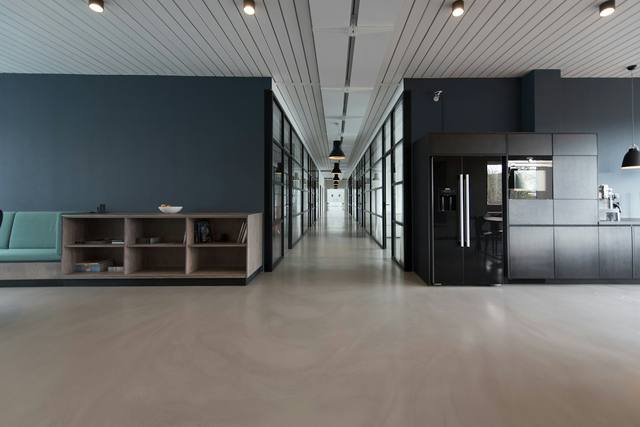
Downtown Tulsa stacks its water risk vertically: loft conversions and offices in the Blue Dome and Brady Arts districts, flat roofs overhead, aging commercial plumbing in the walls, and several tenants sharing every system. A downtown loss is a building event, and it is restored like one.
- Multi tenant losses mapped unit by unit, floor by floor
- Flat roof entry points traced, not just interior stains dried
- Restaurants and venues zoned to trade where health rules allow
- Landlord and tenant documentation kept separate from hour one
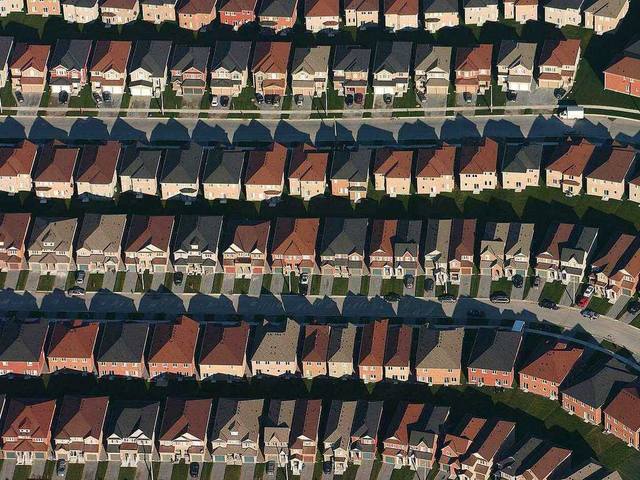
Homes on the same street share an era, a builder, and the same water risks. A local drying plan accounts for how your neighborhood was built.
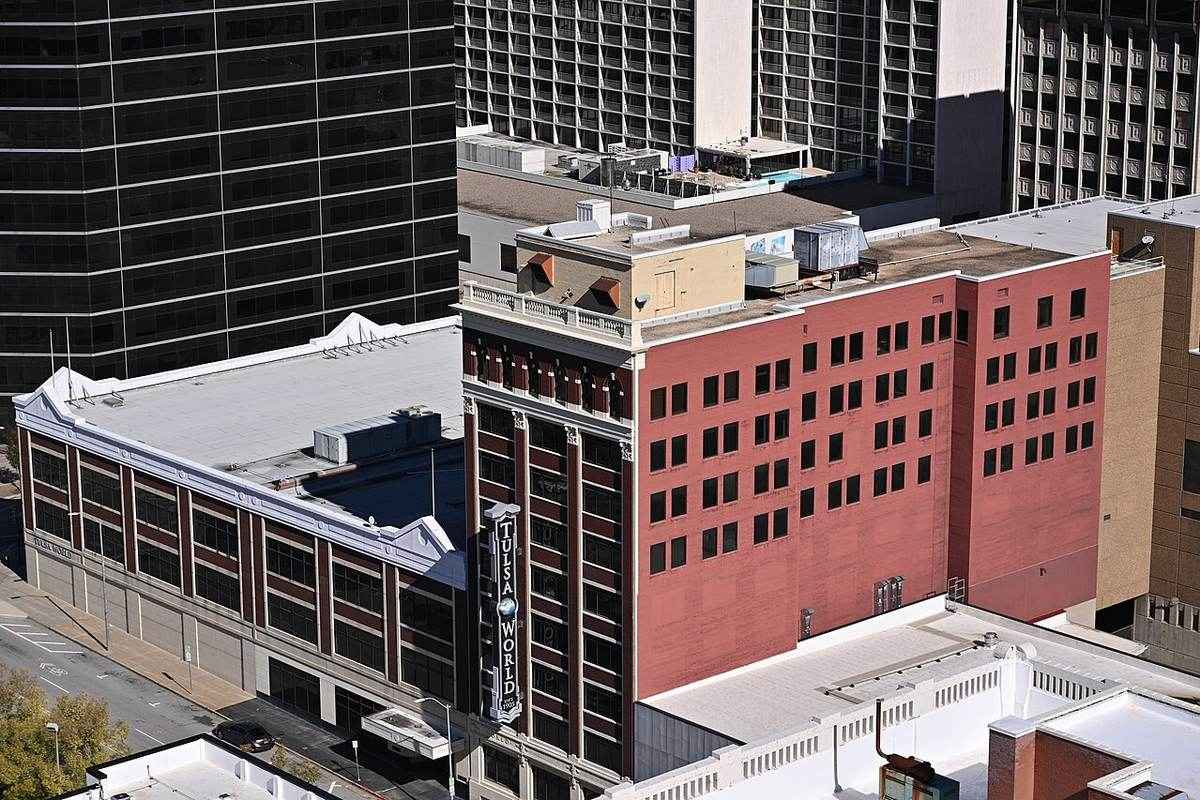
A Vertical Neighborhood: Lofts, Offices, and Shared Systems
Downtown Tulsa has spent two decades converting its historic building stock into lofts, offices, restaurants, and venues across the Blue Dome and Brady Arts districts. The conversions gave old buildings new lives and new plumbing loads: residential bathrooms and kitchens stacked inside structures designed for offices and warehouses, restaurants where retail used to be, and systems threaded through shafts and chases that share every floor. Water in this environment does not respect leases. It follows the building, and the building is shared.
The practical consequence is choreography. Access runs through management, shutoffs may serve a stack of units rather than one room, and the neighbor below your loss is a party to the job whether anyone planned it or not. Restoration downtown is as much coordination as drying: notice given early, zones agreed with the businesses that are trading, and a map that covers the units nobody called about, because the water already visited them.
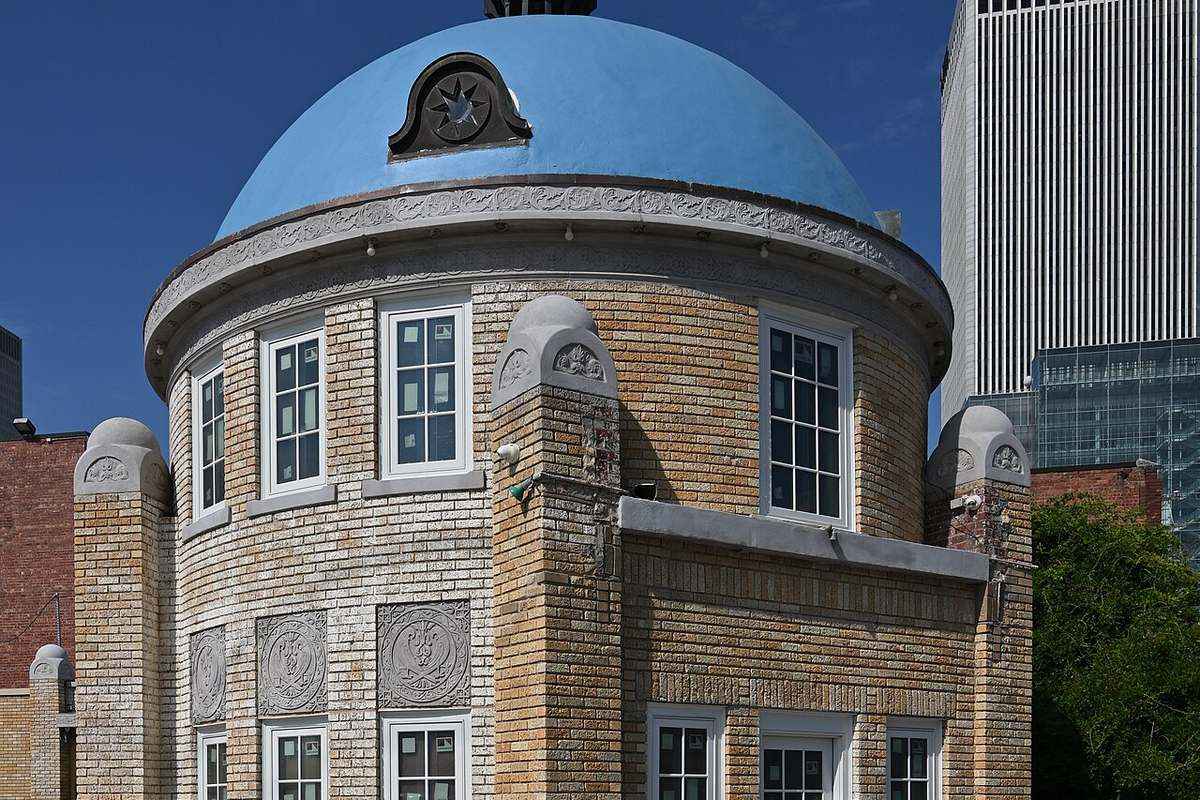
Flat Roofs and Commercial Plumbing: The Downtown Source List
Two sources write most downtown losses. Overhead, the flat and low slope roofs of the historic stock depend on drains and seams that age quietly until a storm loads them, sending water into top floor ceilings and down wall cavities that can deliver it two floors from the entry point. Inside the walls, commercial plumbing of several vintages serves more fixtures, at higher demand, than the residential standard, and its failures, supply lines, restroom groups, restaurant equipment, condensate systems, release larger volumes before anyone is present to notice, especially overnight and on weekends.
Both sources share a signature: the visible damage understates and misplaces the real one. A stain is evidence, not a map. Downtown jobs therefore start with metering that assumes the footprint is bigger than the complaint, across ceilings, party walls, and the floor below, and with roof evidence documented while the entry story is still legible on the deck. Skipping that hour is how a one unit dry out becomes a three tenant project by Friday.
How a Downtown Tulsa Water Damage Call Proceeds
1. Call management and us in the same breath
Building management controls access, shutoffs, and notice to neighbors. The sooner both calls happen, the smaller the vertical footprint stays.
2. Stop the source at the stack or the roof
A unit shutoff that serves one bathroom, or a building valve that serves twelve, or a roof still admitting storm water. The source decision comes before everything else downtown.
3. Extract and zone for the businesses trading
Standing water out, containment up around the work zone, and a realistic agreement about which spaces stay open, reached after seeing the loss, not before.
4. Map every unit in the path
Meters in the source unit, the cavity, the neighbors sharing the wall, and the floor below. Multi tenant losses hide in shared construction more than anywhere in the city.
5. Dry against readings, coordinate daily
Equipment placed from the map, checked daily, with schedules adjusted around venue and restaurant hours where the category of water allows it.
6. Split the file by party
Ownership, each tenant, and contents records separated and dated, ready for leases, landlords, and insurers to read without translation.
Loft Living: Residential Rules in a Commercial Building
A downtown loft is a home inside a commercial system, and its water damage borrows trouble from both worlds. The finishes are residential, hardwood, plaster and brick, custom kitchens and baths, while the risks are the building’s: the neighbor’s plumbing overhead, the roof above that, and shutoffs you may not control. Drying a loft well means drying the assembly, not the apartment: the floor system shared with the unit below, the party wall shared with the unit beside, verified with readings on both sides where access allows.
For loft owners and renters, the preparation is simple and worth doing in a calm week: know your unit shutoffs, photograph your rooms and belongings for your own records, and carry the renters or condo policy conversation before you need it. When an event comes, that preparation plus a documentation first restoration turns a building sized problem into a manageable file.
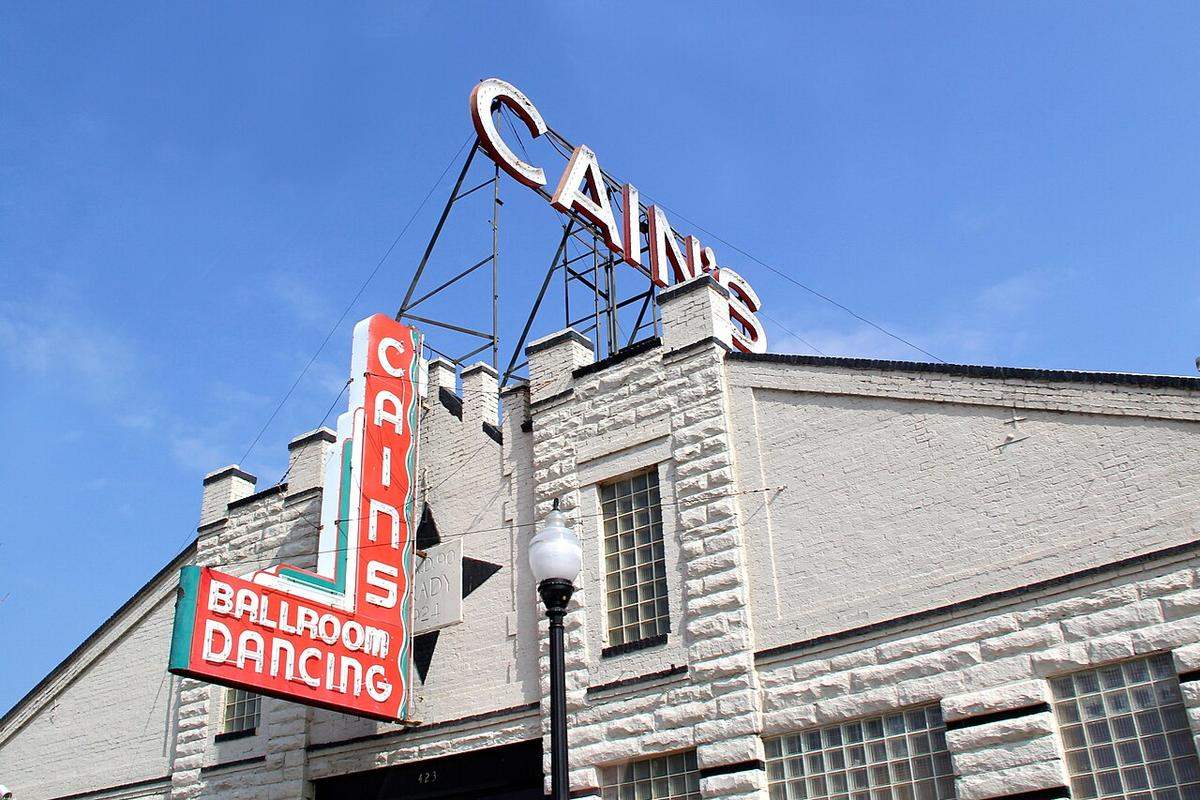
Choosing Restoration Help Downtown
Interview for coordination as much as for equipment. Ask how the company handles multi party documentation, after hours and weekend losses, and buildings where access runs through management. Ask what standard the drying follows and expect the IICRC S500 framework in plain language, with meters behind every removal decision. Be wary of anyone who quotes a downtown job from the lobby: in a stacked, shared, flat roofed building, the honest price and timeline both live behind the moisture map.
Downtown Tulsa is being rebuilt one historic building at a time, and water is the tax those buildings collect when their systems are ignored. The buildings deserve crews who understand them. So do the people living and trading inside.
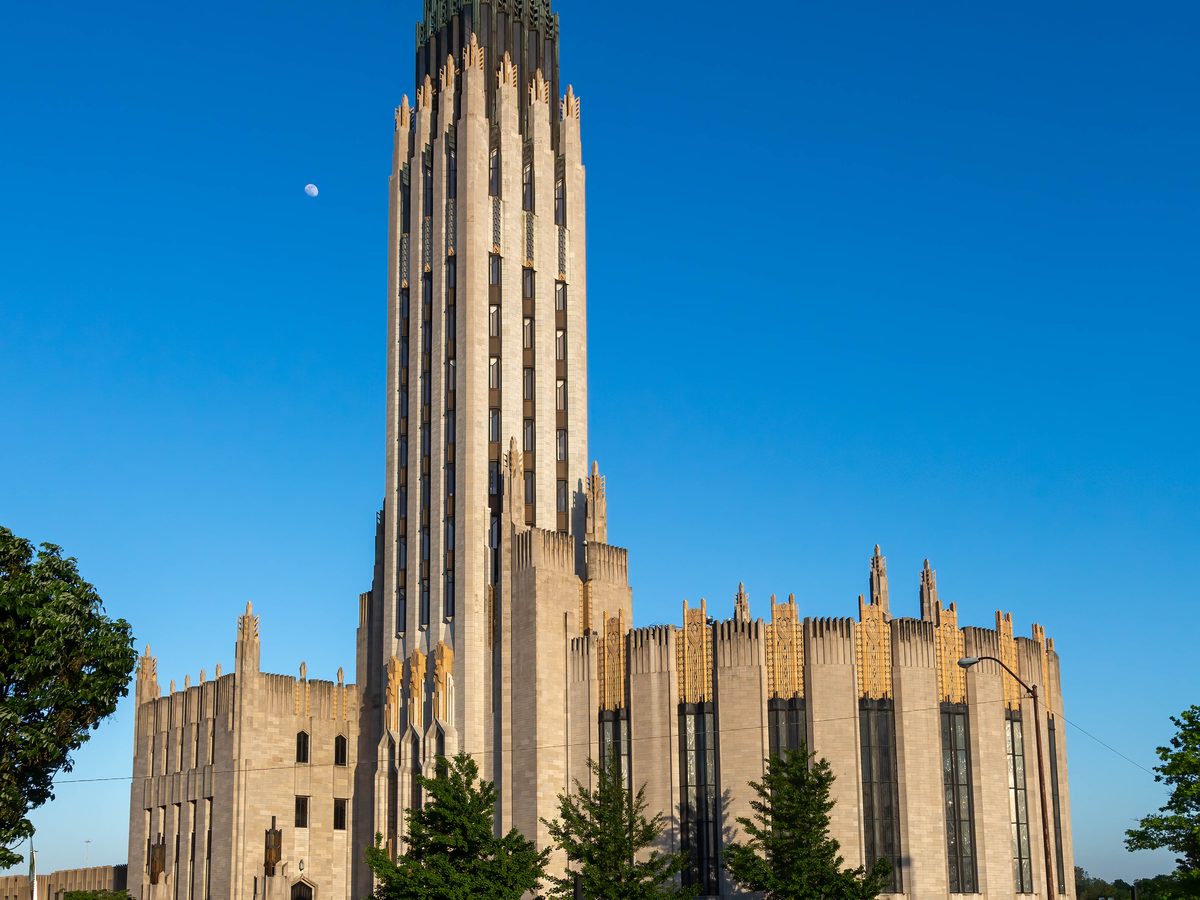
Water damage in Downtown? Start with one call.
Call (918) 578-1166 and tell us what happened and where in Downtown you are. We extract, dry, and document the loss, and we explain each step before we do it.
Water Damage Causes We See in Downtown
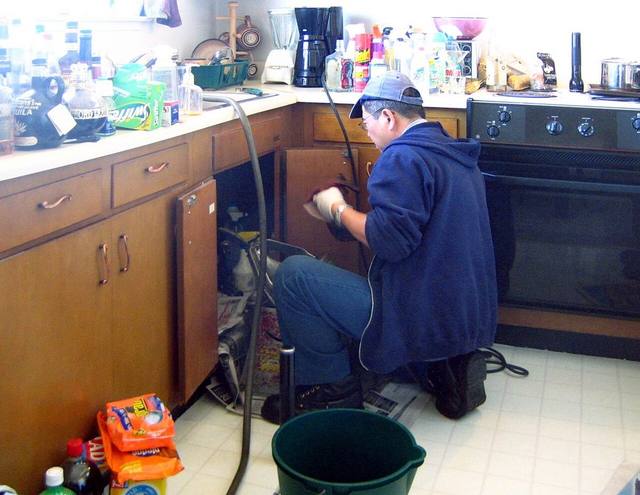
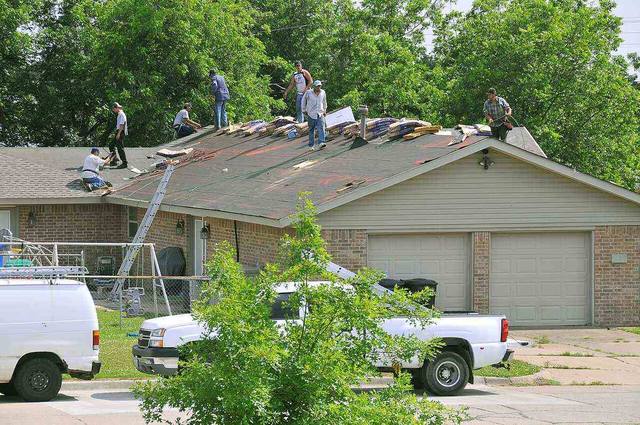
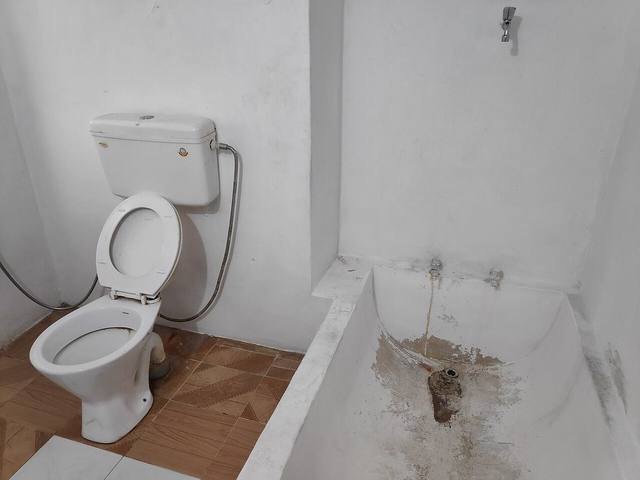
Downtown causes are building causes: flat roof drainage, stacked plumbing failures, restroom and restaurant systems, and condensate at commercial scale. These are the cause pages downtown readers open most.
Main Water Damage Services in Downtown
Every Downtown call runs through the same main services: emergency response, residential and commercial restoration, and round the clock cleanup. The pages below explain each one in full.

Other Tulsa Neighborhoods We Serve
Downtown faces West Tulsa across the river and shades into Midtown and the Arts District neighborhoods at its edges. Each neighborhood page covers its own building stock and systems.
Downtown is part of Tulsa, and this page covers Downtown only. For the whole city, go up to the Water Damage Restoration Tulsa OK home page for the full process, cause, mold, and insurance pages, see all service areas, or start with emergency water damage restoration if water is active right now.
Water Damage Questions from Downtown Homeowners
Water is coming through my loft ceiling from the unit above. What happens first?
Access and notice, in that order of urgency. The source is almost always one floor up: a supply line, an appliance, or an overflowing fixture in the unit above you, or a building system in the shaft between. Tell building management immediately, because they control access to the source unit and the shutoffs, and photograph your ceiling and belongings as the event develops. Restoration then works the vertical path: the source unit, the floor system, your ceiling and walls, each read with meters. Whose policy pays is a lease and insurer question; the documentation we build from the first visit is what all of those parties will work from.
Why do downtown flat roofs cause so many water losses?
Because a flat roof is a drainage system pretending to be a roof. It depends on slope to internal drains or scuppers, and when a drain clogs with debris or a seam ages out, water ponds, gains weight and head pressure, and finds every penetration and joint. Worse, the entry point and the interior stain can be many feet apart, since water travels along the deck before it drops. A downtown roof loss needs the roof read as carefully as the rooms: mapping inside, and honest evidence about where the water entered, which building ownership needs for the roofing conversation that follows.
Can a downtown restaurant or venue stay open during restoration?
Zones decide. A loss contained to a restroom, office, or one section of floor can often be isolated behind containment while the rest of the business trades, with intrusive work scheduled around service hours. Health code reality overrides optimism where sewage or kitchen contamination is involved, and a still active roof leak overrides everything until it stops. We give operators a straight zone by zone read after the first mapping, because in the Blue Dome and the Arts District a closed weekend is a serious number, and a wrong promise costs more than a hard truth.
Who is responsible for water damage in a mixed use building, the tenant or the landlord?
The lease usually answers first, and the policies answer second: building systems, roof, structure, and common plumbing typically sit with ownership, while a tenant’s own fixtures, equipment, and contents sit with the tenant. Restoration companies do not decide that split, but our documentation can either respect it or muddle it. We keep the records separated, source system, structure, and each tenant’s contents and interruption facts, dated and photographed from hour one, so the lease conversation happens on evidence instead of recollection.
How fast does a small downtown leak become a big one?
Faster than in a house, because of what surrounds it. A slow supply drip inside a downtown wall feeds a concealed cavity shared with wiring, insulation, and the units beside and below, and commercial buildings run water at higher volumes and pressures than homes. The stain that appears on a Monday can be the end of a month of hidden wetting. That is why downtown calls get mapped aggressively even when they look small: meters across the neighboring units and the floor below, so the drying plan covers the real footprint the first time rather than expanding in weekly surprises.
One call starts extraction and drying.
Talk to a Tulsa dispatcher now about your Downtown property. You will get clear next steps and documentation from the first visit.